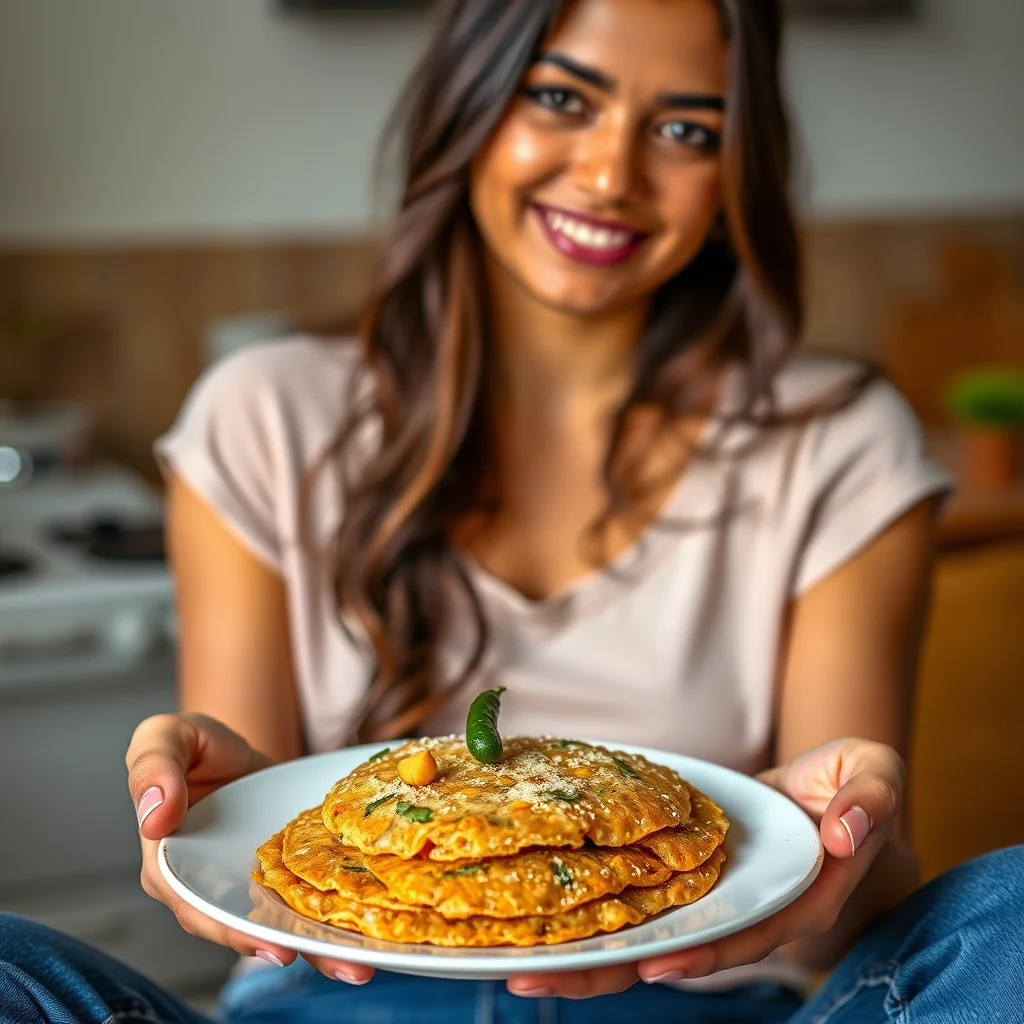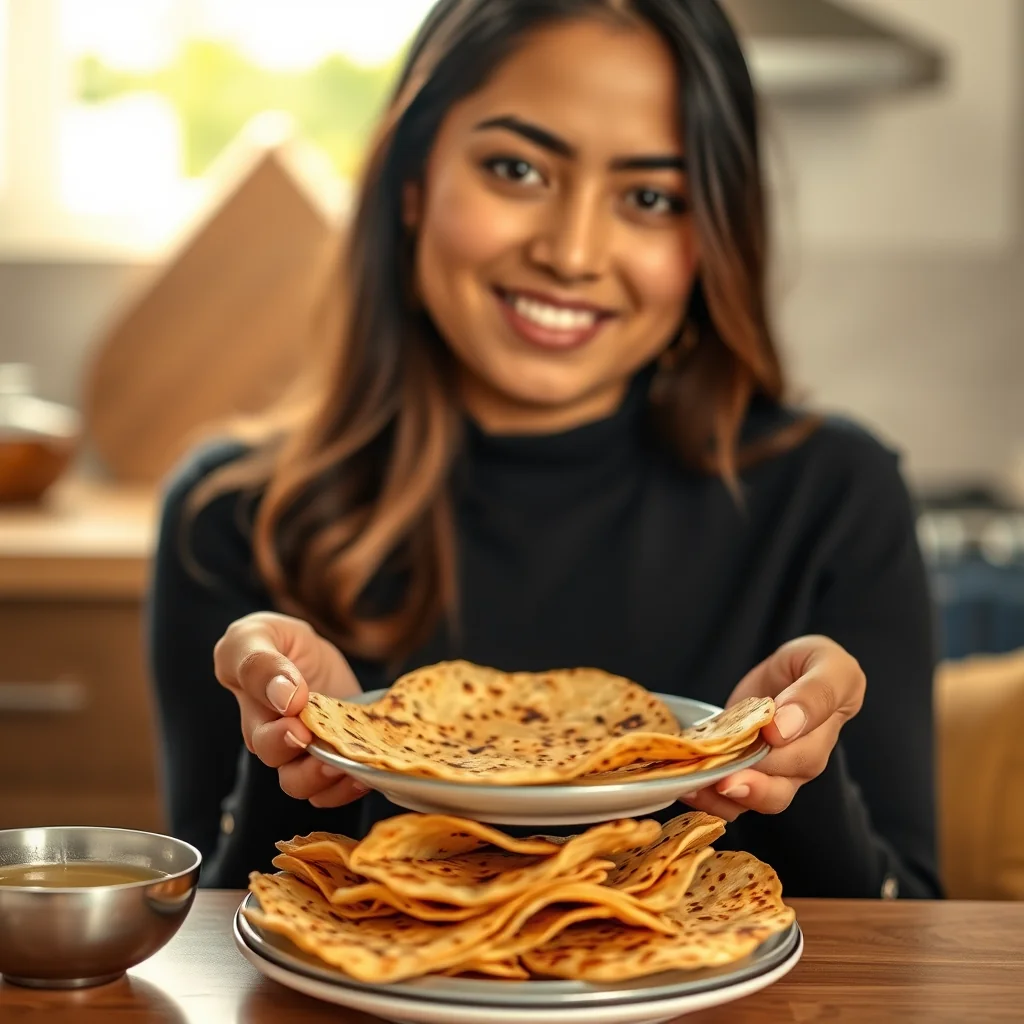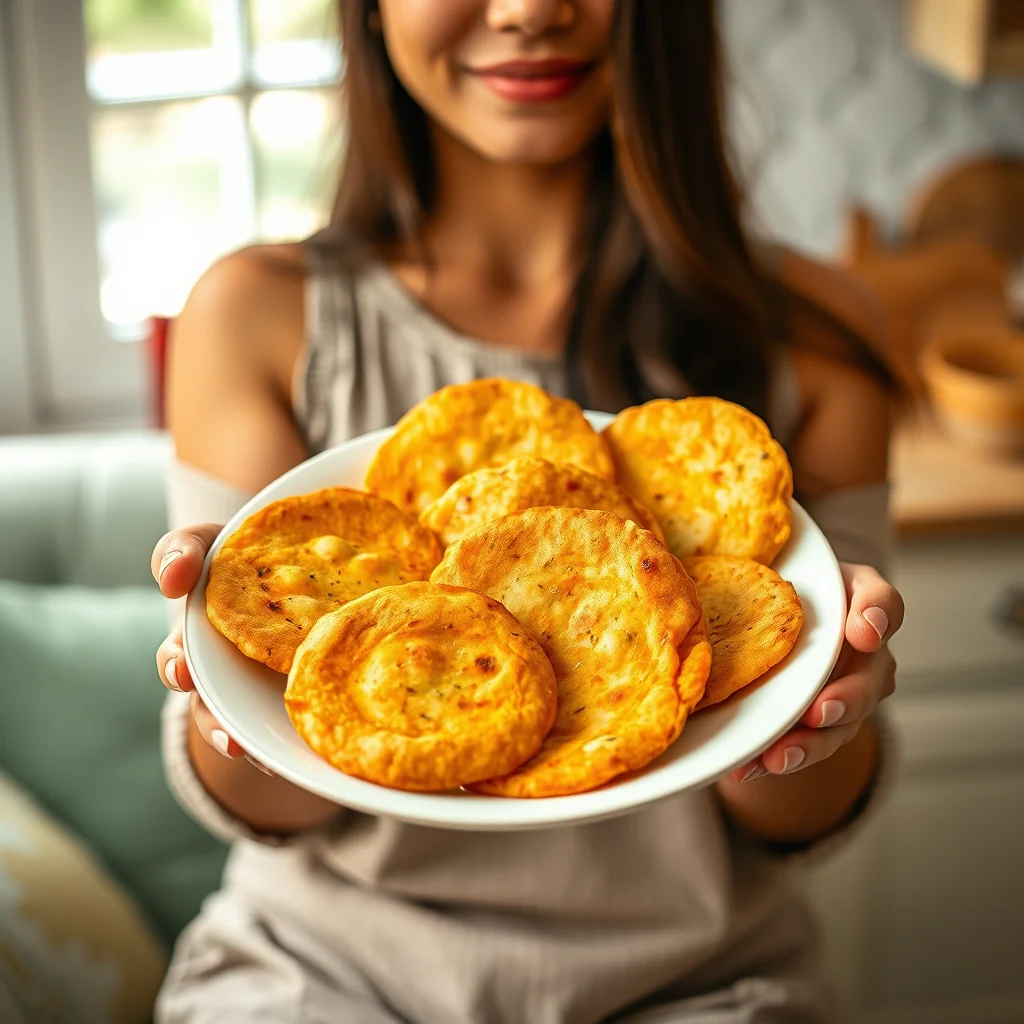
This authentic South Indian dosa recipe is a weekend project that pays you back for weeks: rice and urad dal soaked, blended, and fermented into a batter that fries into lacy, crisp crepes. Plan on two days — most of it waiting while the batter does its quiet work. The first perfect dosa off the pan is a genuine rite of passage.
Step into any South Indian kitchen, and you’ll likely be greeted by the irresistible aroma of dosas sizzling on a hot pan. These aren’t just any pancakes; they are a culinary masterpiece, a national treasure celebrated for their incredible texture and tangy flavor. Imagine a crepe so crispy it shatters at the touch, with a delicate, sour note from natural fermentation. While making the perfect dosa from scratch is a labor of love—requiring about 48 hours of patience—the reward is a meal that is deeply satisfying and endlessly versatile. I’ve perfected a simple timeline to have them ready for a spectacular Sunday lunch: soak Friday night, blend Saturday morning, and ferment until Sunday. Serve them hot off the pan with a side of fragrant Coconut Chutney and savory Masala Potatoes for an unforgettable feast.
Ingredients
• Yields: 6 Dosas
• Prep time: 48 hours (including soaking & fermentation)
• Cook time: 20 minutes
• NOTE: You will need a high-speed blender for this recipe.
• 1¼ cups / 250g (8.8 oz) basmati rice
• ¼ cup / 50g (1.76 oz) split urad dal (split and skinned black lentils)
• ½ tsp / 2.5g (0.09 oz) fenugreek seeds
• 1 cup plus 2 tbsp / 270ml warm water, plus more if needed
• 1 tsp / 5g (0.18 oz) salt
• Canola oil or ghee, for cooking
Instructions
1. Day 1: Soaking
2. Rinse the rice and urad dal together under cold running water several times, until the water runs clear. Drain thoroughly.
3. Transfer the rinsed rice and dal to a large bowl. Add the fenugreek seeds and pour in the warm water. Let it soak, uncovered, at room temperature overnight, or for at least 12 hours.
4. Day 2: Blending & Fermenting
5. The next morning, drain the soaked mixture, reserving the soaking water. Transfer the mixture to a high-speed blender. Blend in two batches if necessary, adding a little of the reserved soaking water as needed to create a smooth, thin batter (similar to crepe batter).
6. Pour the batter into a large, non-reactive bowl (ensure it’s only half-full to allow for expansion). Cover with a lid or plastic wrap and place in a warm, draft-free spot to ferment for 24 hours. An oven with just the light on works well in cooler climates.
7. Day 3: Cooking
8. The next day, the batter should look bubbly and have a pleasantly sour aroma. Whisk the batter gently and stir in the salt.
9. Place a large non-stick or cast-iron skillet over low-medium heat. To test if it’s ready, sprinkle a few drops of water on the surface; if they sizzle and evaporate immediately, the pan is at the right temperature.
10. Lightly grease the pan by dabbing a piece of paper towel in oil and wiping it across the surface.
11. Pour a ladleful of batter (about ¼ cup) into the center of the hot pan. Working quickly, use the back of the ladle to spread the batter in a thin, even layer using continuous concentric circles, moving from the center outwards.
12. Increase the heat to medium. Cook for about 2 minutes, or until the edges begin to crisp up and lift away from the pan. Drizzle a little oil around the edges of the dosa.
13. Once the bottom is golden brown and crisp, flip the dosa and cook for another 1-2 minutes on the other side.
14. Slide the finished dosa onto a plate. Before making the next one, reduce the heat to low and let the pan cool for a minute. Repeat the process with the remaining batter, greasing the pan lightly each time. Serve immediately.
Nutritional Information
• Nutritional Highlights
• A fantastic source of plant-based protein and complex carbohydrates for sustained energy.
• The fermentation process breaks down complex starches, making dosas easy to digest and increasing the bioavailability of nutrients like B vitamins.
• Naturally gluten-free, making it a wonderful option for those with gluten sensitivities.
• Low in saturated fat and cholesterol-free.
Pro Tips
• For the crispiest texture, ensure your batter is the right consistency—smooth and pourable, like a thin pancake batter. If it’s too thick after fermentation, whisk in a tablespoon of water at a time until you reach the desired consistency.
• Pan temperature is key. The pan should be hot enough to sizzle but not so hot that the batter cooks before you can spread it. Cool the pan slightly between each dosa by wiping it with a damp cloth for easier spreading.
• A well-seasoned cast-iron pan or a quality non-stick skillet will give you the best, non-stick results and a beautiful golden-brown color.
• Don’t skip the fenugreek seeds! They are crucial for aiding fermentation and adding a subtle, authentic flavor to the dosas.
FAQ
Q: Is this dosa recipe a good source of vegetarian protein
A: Yes, this dosa recipe is a fantastic source of plant-based protein. The combination of rice and urad dal (split black lentils) provides complex carbohydrates and protein for sustained energy, making it a highly nutritious meal.
Q: Can I make this dosa recipe vegan
A: Absolutely. The dosa batter itself is naturally vegan. To keep the entire recipe vegan, simply use canola oil or another vegetable oil for cooking instead of ghee.
Q: How should I store leftover dosa batter
A: You can store leftover fermented dosa batter in an airtight container in the refrigerator for up to 3-4 days. The batter will continue to ferment slowly and may become more sour over time. Stir well before making your next batch of dosas.
Q: Why are my dosas not crispy
A: For the crispiest texture, ensure your batter has a smooth, pourable consistency similar to a thin pancake batter. If it’s too thick after fermentation, whisk in a tablespoon of water at a time. Also, pan temperature is crucial; it must be hot enough for a drop of water to sizzle, but not so hot that the batter cooks before you can spread it thinly.
More Recipes You’ll Love
- Aloo Paratha (Spiced Potato-Stuffed Flatbread)
- Fresh Corn and Fava Bean Tacos
- Vegetarian Portobello Muffuletta Sandwich
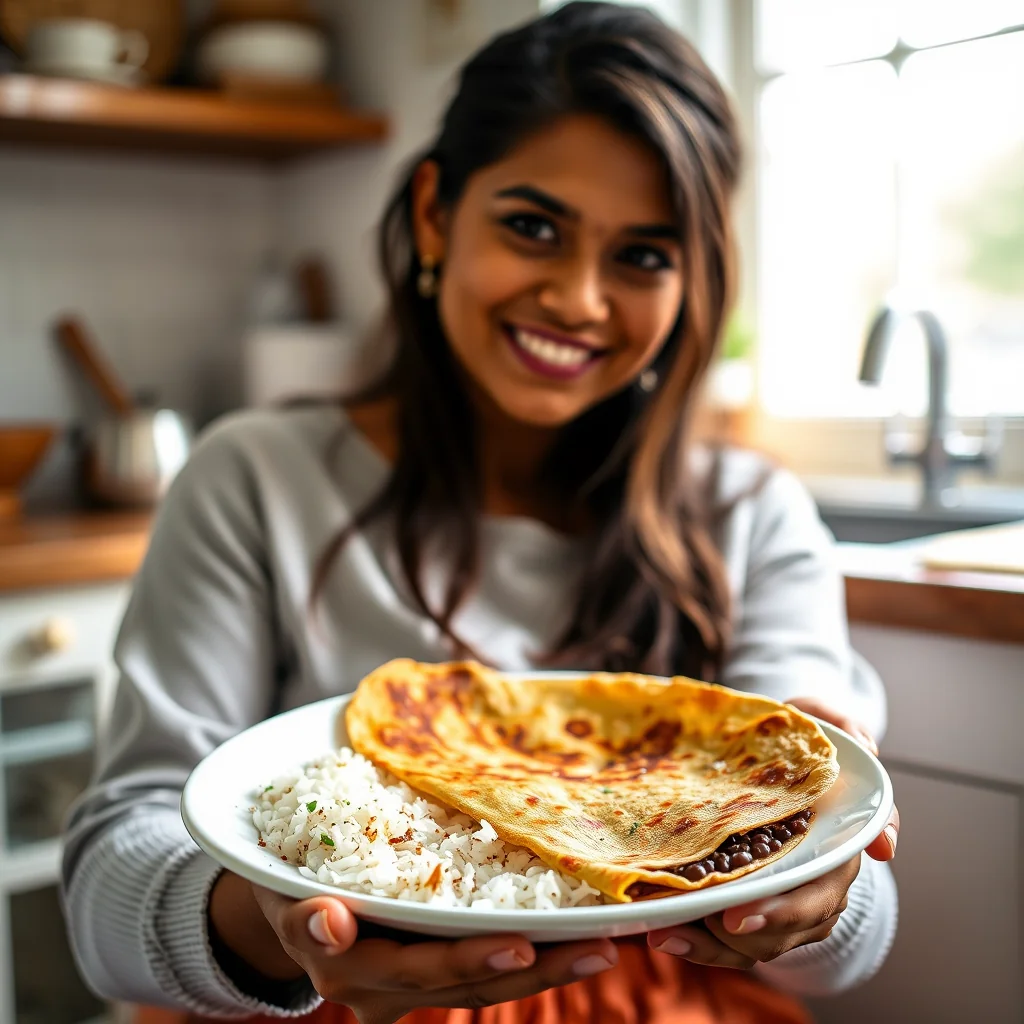
Authentic South Indian Dosa Recipe
Ingredients
Method
- Day 1: Soaking
- Rinse the rice and urad dal together under cold running water several times, until the water runs clear.
- Drain thoroughly.
- Transfer the rinsed rice and dal to a large bowl.
- Add the fenugreek seeds and pour in the warm water.
- Let it soak, uncovered, at room temperature overnight, or for at least 12 hours.
- Day 2: Blending & Fermenting
- The next morning, drain the soaked mixture, reserving the soaking water.
- Transfer the mixture to a high-speed blender.
- Blend in two batches if necessary, adding a little of the reserved soaking water as needed to create a smooth, thin batter (similar to crepe batter).
- Pour the batter into a large, non-reactive bowl (ensure it's only half-full to allow for expansion).
- Cover with a lid or plastic wrap and place in a warm, draft-free spot to ferment for 24 hours. An oven with just the light on works well in cooler climates.
- Day 3: Cooking
- The next day, the batter should look bubbly and have a pleasantly sour aroma.
- Whisk the batter gently and stir in the salt.
- Place a large non-stick or cast-iron skillet over low-medium heat. To test if it's ready, sprinkle a few drops of water on the surface; if they sizzle and evaporate immediately, the pan is at the right temperature.
- Lightly grease the pan by dabbing a piece of paper towel in oil and wiping it across the surface.
- Pour a ladleful of batter (about ¼ cup) into the center of the hot pan.
- Working quickly, use the back of the ladle to spread the batter in a thin, even layer using continuous concentric circles, moving from the center outwards.
- Increase the heat to medium.
- Cook for about 2 minutes, or until the edges begin to crisp up and lift away from the pan.
- Drizzle a little oil around the edges of the dosa.
- Once the bottom is golden brown and crisp, flip the dosa and cook for another 1-2 minutes on the other side.
- Slide the finished dosa onto a plate.
- Before making the next one, reduce the heat to low and let the pan cool for a minute.
- Repeat the process with the remaining batter, greasing the pan lightly each time.
- Serve immediately.
- Don't skip the fenugreek seeds! They are crucial for aiding fermentation and adding a subtle, authentic flavor to the dosas.