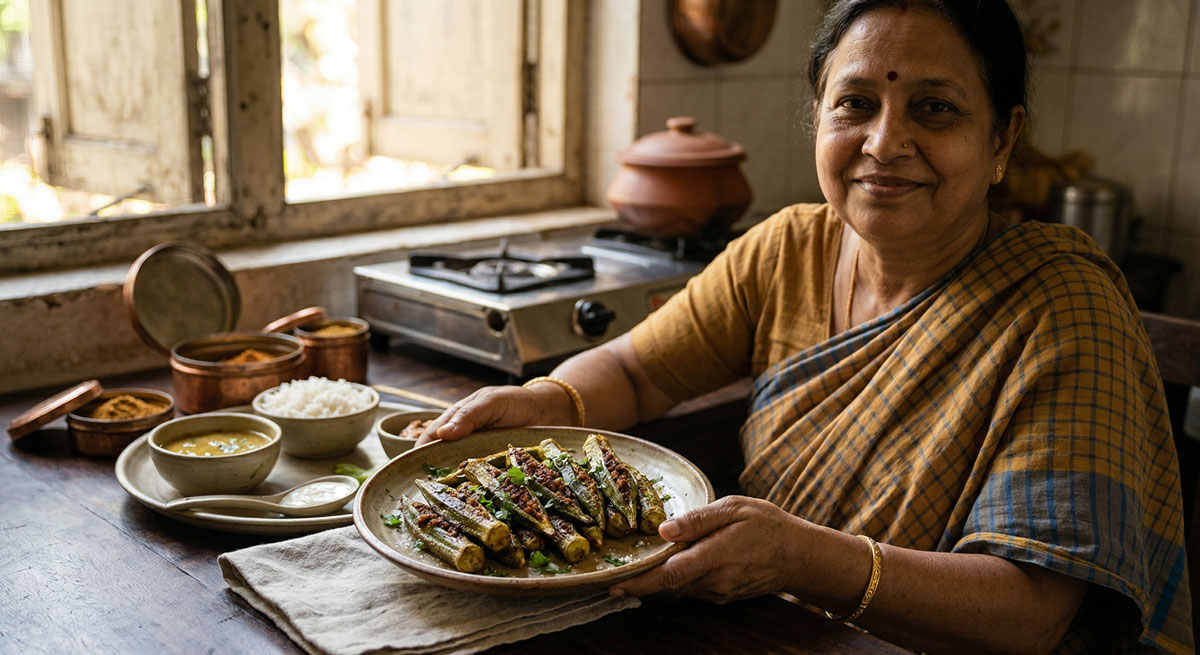
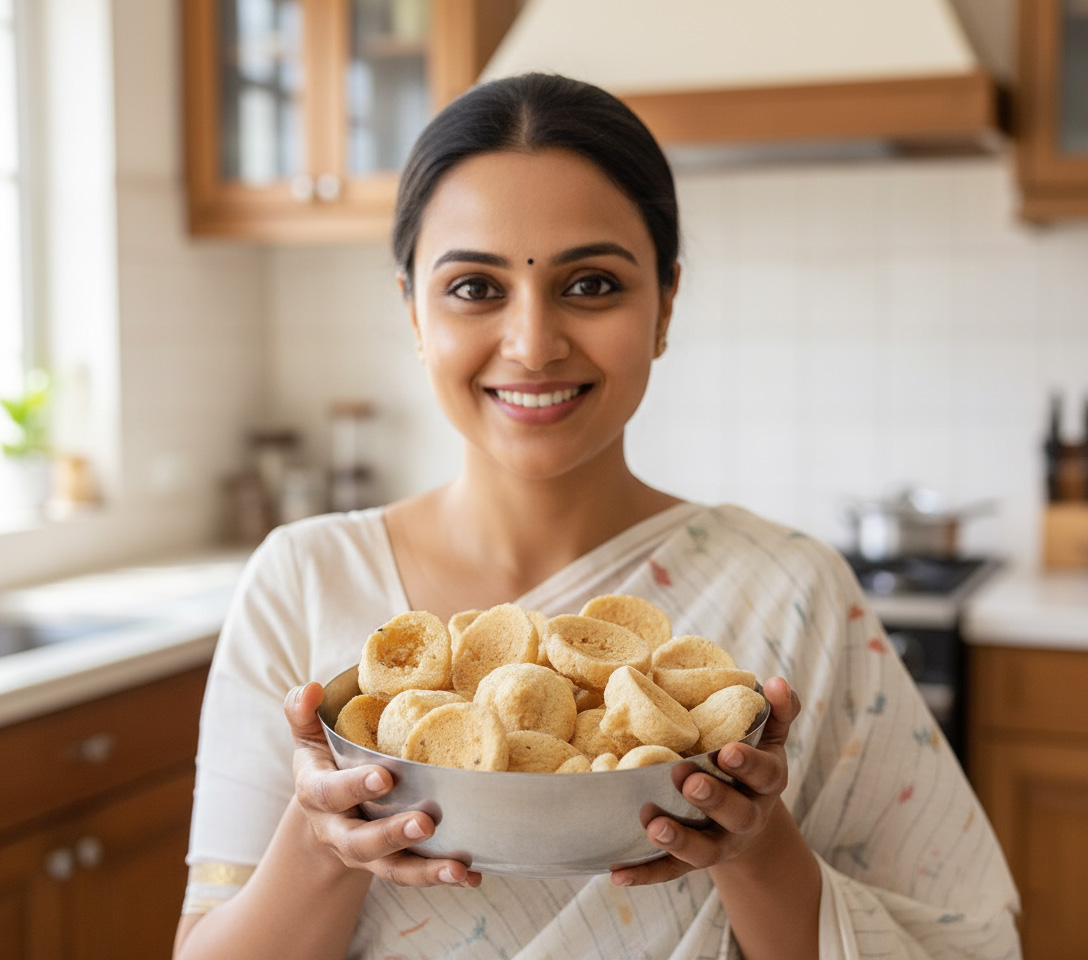
Step into the heart of a Bengali kitchen and you’ll find a jar of these golden, sun-kissed nuggets, known as Badi or Phoola Badi. More than just an ingredient, they are a tradition, a pantry powerhouse born from spiced lentil paste and the patient warmth of the sun. Each little nugget is studded with nutty poppy seeds, and when fried or added to curries, it blossoms, offering a delightful crunch and a hearty dose of protein. Making them at home is a rewarding process that connects you to a timeless culinary craft. Let’s capture some sunshine in a jar!
Ingredients
• 1¼ cups / 260 g split and skinned urad dal
• ⅔ cup / 160 ml white poppy seeds (khas-khas)
• ½ tsp yellow asafetida powder (hing)
• ½ tsp cayenne pepper or paprika
• 1 tsp salt
• ¼ tsp baking soda
• Water, for soaking and grinding
• Up to 4 tbsp urad flour or all-purpose flour, if needed
• A Note on Asafetida (Hing): The amount listed is for milder, compounded yellow asafetida. If using a potent, pure form, reduce the amount to ⅛ teaspoon.
Instructions
1. Soak the Lentils and Seeds: Pick over the urad dal for any debris, rinse it well, and place it in a large bowl. Cover with at least 2 inches of water and soak for 8 hours or overnight. In a separate bowl, soak the poppy seeds in water for at least 2 hours. After soaking, drain both the dal and poppy seeds completely in a fine-mesh strainer.
2. Grind the Dal: The goal is a smooth, airy paste using minimal water. In a food processor or high-speed blender, grind the drained dal. Add only 1-2 teaspoons of water at a time, just enough to get the blades moving. Scrape down the sides frequently and process for about 5 minutes until you have a very smooth, fluffy, and thick paste.
3. Mix and Rest the Batter: Transfer the dal paste to a large mixing bowl. Add the drained poppy seeds, asafetida, cayenne pepper, salt, and baking soda. Mix gently but thoroughly. The batter must be thick enough to hold its shape. If it seems too thin, stir in urad flour, 1 tablespoon at a time, until it thickens. Cover the bowl and let it rest in a warm spot for 4 hours to ferment slightly.
4. Shape the Badis: Lightly grease a few baking sheets or large trays. Using your fingertips or two small spoons, drop scant teaspoon-sized dollops of the batter onto the trays, leaving a little space between each one for air circulation.
5. Dry the Badis: Choose your preferred method.
6. Sun-Drying (Traditional): Place the trays in direct, strong sunlight. Cover with a thin mesh cloth to protect them from debris. Bring the trays indoors overnight. Repeat for 2-4 days until the badis are completely hard, brittle, and snap easily when broken.
7. Food Dehydrator: Arrange the badis on the dehydrator trays. Dry at 135°F / 57°C for 8-12 hours, or until they are thoroughly brittle and dry.
8. Store: Once completely cool and dry, transfer the badis to a clean, airtight container. Store in a cool, dark, and dry place. They will keep for several months.
Nutritional Information
• Nutritional Highlights
• Protein-Packed: Urad dal provides a fantastic source of plant-based protein, essential for muscle repair and growth.
• Rich in Fiber: High in dietary fiber, which aids in digestion and promotes a feeling of fullness.
• Mineral Boost: A good source of iron, magnesium, and potassium from the lentils, and calcium from the poppy seeds.
Pro Tips
• for Perfect Badi
• The Float Test: After grinding and mixing, drop a tiny bit of the batter into a bowl of water. If it floats immediately, the batter is airy enough and ready. If it sinks, you need to whisk it by hand for a few more minutes to incorporate more air.
• Minimal Water is Key: The biggest mistake is adding too much water while grinding. A thick, stiff batter is crucial for badis that hold their shape and dry properly.
• Uniform Sizing: Try to make all the badis a similar size. This ensures they all dry at the same rate, preventing some from being damp while others are ready.
• Weather Watch: If sun-drying, plan for a stretch of 2-4 hot, dry, and sunny days. Humidity is the enemy of perfectly dried badi and can lead to spoilage.
FAQ
Q: How do these Bengali Badis contribute to a vegetarian diet
A: These badis are a powerhouse of plant-based protein from the urad dal, making them an excellent addition to any vegetarian or vegan diet. They add a substantial, satisfying crunch and protein boost to vegetable curries, helping to make meatless meals more filling and nutritionally complete.
Q: Is this Badi recipe vegan and gluten-free
A: Yes, this recipe is naturally vegan as it contains no animal products. To ensure it is completely gluten-free, use the optional urad flour (which is gluten-free) instead of all-purpose flour for thickening, and check that your brand of asafetida (hing) is certified gluten-free, as some are compounded with wheat flour.
Q: Can I use a different lentil instead of urad dal
A: For this specific Bengali Phoola Badi recipe, split and skinned urad dal is essential. Its unique properties create the light, airy, and crispy texture after frying. While other lentils like moong dal are used for different types of badis, they will not produce the same authentic result.
Q: What is the best way to store homemade Badi for long-term use
A: Proper storage is key to making your badis last. Ensure they are 100% dry, brittle, and cool completely. Then, transfer them to a clean, airtight container and store it in a cool, dark, and dry pantry. Stored correctly, they will keep for several months, providing a ready-to-use, high-protein ingredient for your vegetarian meals.