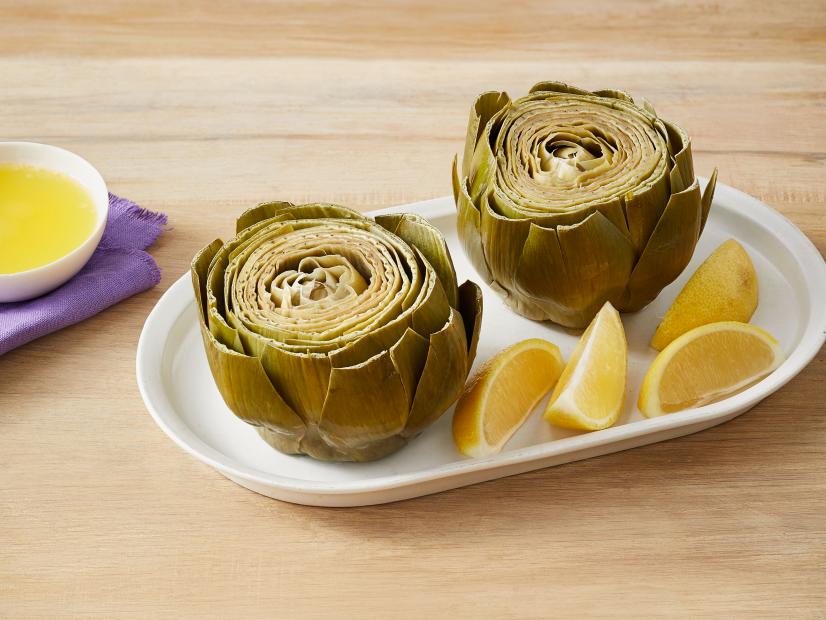
Forget boiling! Steaming is the ultimate secret to achieving perfectly tender, never-soggy artichokes. This simple method locks in their delicate, earthy flavor, creating a beautiful and delicious appetizer or side dish that feels truly special. Whether you serve them piping hot with melted butter, chilled with a zesty vinaigrette, or simply at room temperature, they are an absolute treat. Let’s unlock the simple elegance of the artichoke together!
Ingredients
• 4 large or 12 small globe artichokes
• 1-2 inches / 2.5-5 cm water for steaming
• Optional Aromatics: sprigs of tarragon or thyme, 1/2 onion, 2-3 garlic cloves, 1 tablespoon lemon juice
• For Serving: melted butter, vinaigrette, mayonnaise, lemon wedges, extra virgin olive oil, sea salt
Instructions
1. Prepare the Artichokes: Using a large, sharp knife, trim about 1/2 inch / 1.25 cm from the top of each artichoke. With a paring knife, peel the tough outer layer from the stem and trim about 1/4 inch / 0.6 cm from the very bottom. Use kitchen scissors to snip off the thorny tips of the remaining outer leaves. Snap off the smallest, toughest leaves at the base.
2. Set Up the Steamer: Pour 1-2 inches of water into a large pot. If using, add your chosen aromatics (tarragon, garlic, lemon juice) to the water. Place a steamer basket inside, ensuring the water level is below the basket.
3. Steam the Artichokes: Arrange the prepared artichokes in the steamer basket, stem-side up. Bring the water to a boil over high heat, then reduce the heat to maintain a steady simmer. Cover the pot tightly.
4. Cook Until Tender: Steam for 20-40 minutes, depending on the size of your artichokes. They are done when an outer leaf pulls away with very little resistance and the flesh at its base is tender. Check the pot periodically to ensure it doesn’t boil dry.
5. Drain and Serve: Carefully remove the artichokes from the pot and let them drain upside down on a wire rack for a minute or two. If you like, you can remove the fuzzy ‘choke’ by spreading the center leaves and using a spoon to scoop it out. Serve hot, warm, or cold with your favorite dip.
Nutritional Information
• Serving Size: 1 large artichoke
• Calories: 60
• Fiber: 7g
• Protein: 4g
• Vitamin C: 25% of RDI
• Vitamin K: 22% of RDI
• Note: is an estimate and does not include dips or sauces.
Pro Tips
• To select the best artichokes, look for ones that feel heavy for their size with tightly packed, deep green leaves.
• Flavor the steaming water with lemon halves, garlic cloves, or a bay leaf to infuse the artichokes with subtle aromatic notes as they cook.
• Don’t let the pot boil dry! Check the water level halfway through cooking and add more boiling water if necessary to maintain a steady steam.
• For the most elegant presentation, use a spoon to scrape out the fuzzy, inedible ‘choke’ from the center after cooking and before serving.
FAQ
Q: What are the best vegan dips for steamed artichokes
A: This recipe is wonderfully vegan-friendly. For dipping, skip the butter and mayonnaise and opt for a zesty lemon vinaigrette, a simple drizzle of high-quality extra virgin olive oil with a sprinkle of sea salt, or your favorite store-bought or homemade vegan aioli.
Q: Can I prepare steamed artichokes ahead of time
A: Absolutely. Steamed artichokes are delicious served chilled or at room temperature. Once cooked and cooled, you can store them in an airtight container in the refrigerator for up to 3 days, making them a perfect make-ahead appetizer or side dish for vegetarian meal prep.
Q: Are the artichoke stems edible
A: Yes, don’t discard the stems. After peeling the tough outer layer as instructed, the inner stem becomes tender and delicious when steamed, with a flavor very similar to the prized artichoke heart. It’s a great way to enjoy more of this wonderful vegetable and reduce food waste.
Q: How do I make this a more complete vegetarian meal
A: While artichokes provide fiber and some protein, they are best as a side or appetizer. To build a balanced vegetarian meal, pair them with a main course rich in protein and complex carbs, such as a quinoa salad with chickpeas, a hearty lentil soup, or pasta with a white bean sauce.