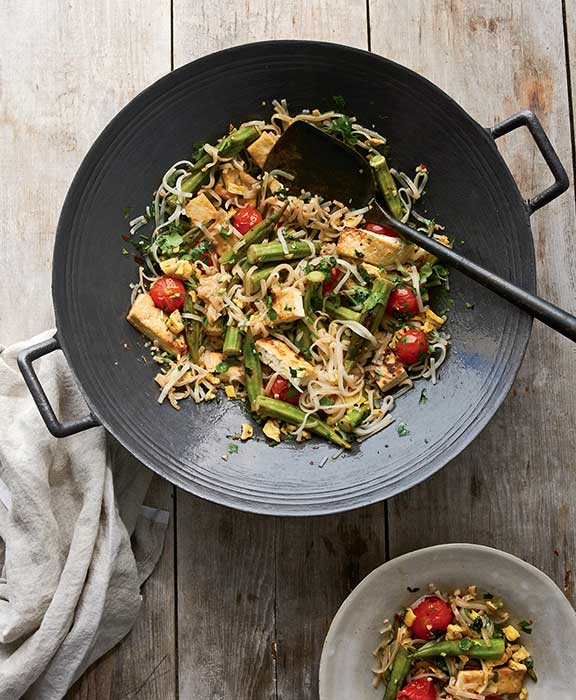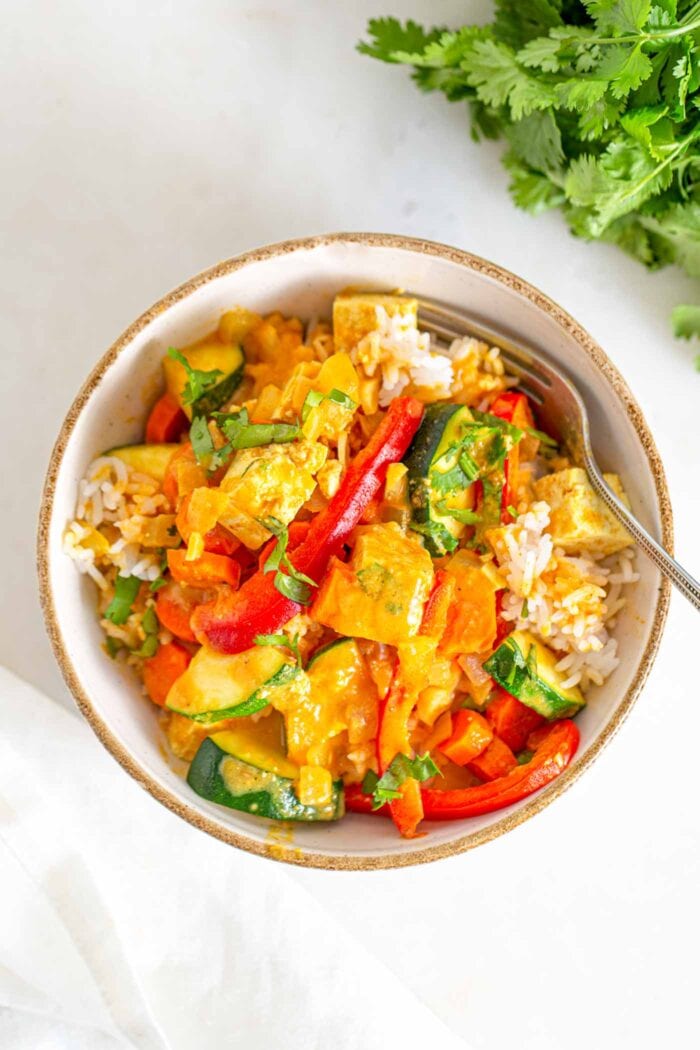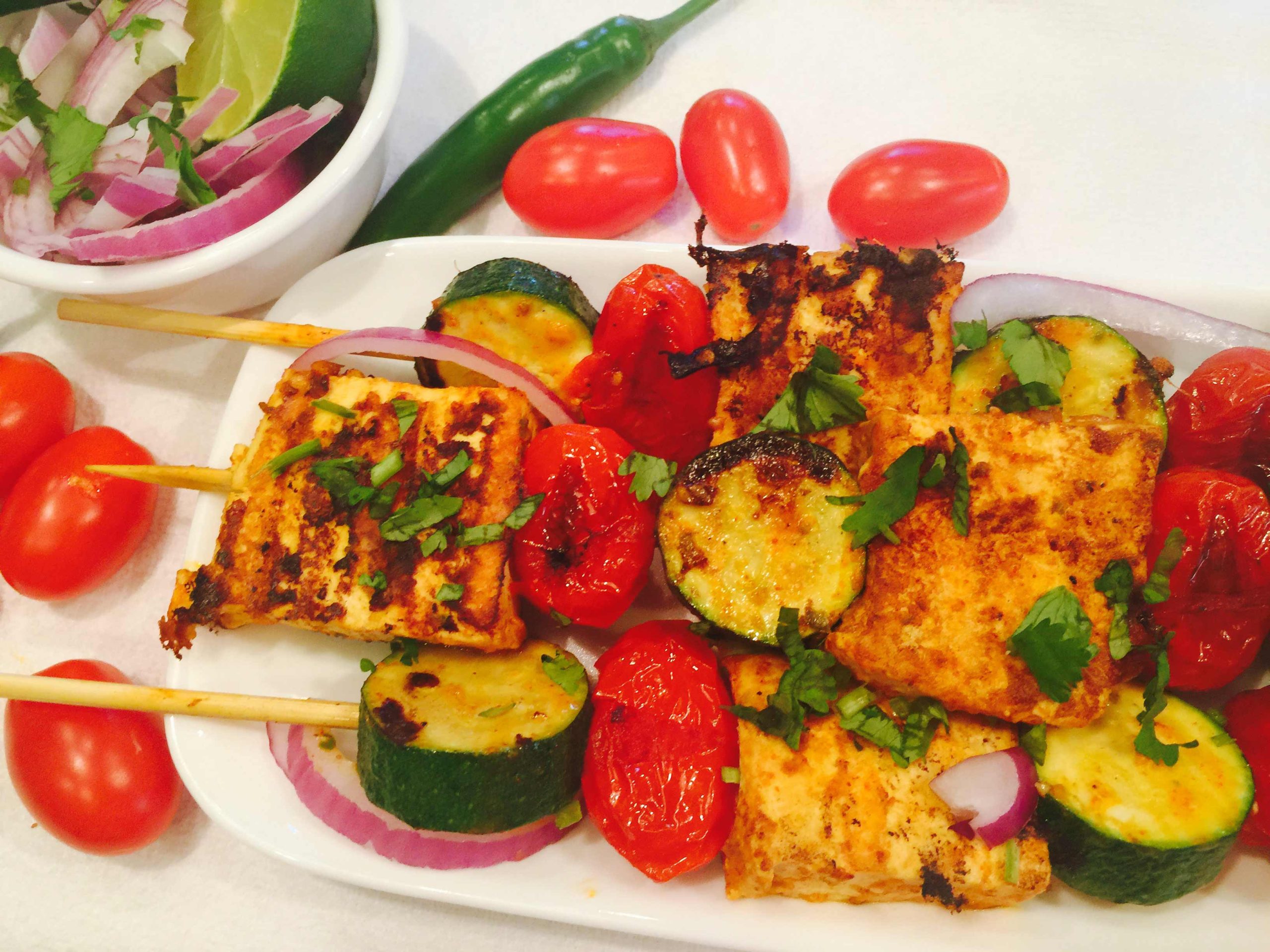

Ever wondered if you could make tofu at home? The kind that’s creamy, fresh, and worlds away from the store-bought block? Good news: you absolutely can, and you don’t need any special kits to do it! Making your own tofu is a magical, surprisingly simple process that transforms humble soy milk into a protein-packed powerhouse. It’s a game-changer for flavor and texture, and once you try it, you’ll never look back. Let’s dive in and create the best tofu you’ve ever tasted!
Ingredients
• MAKES: 4 to 6 servings
• TIME: About 2 hours, largely unattended
• 1 gallon / 3.8 liters soy milk, unsweetened
• Choose ONE of the following coagulants
• 2 tablespoons / 30 ml distilled white vinegar
• 1/4 cup / 60 ml freshly squeezed lemon or lime juice
• 2 teaspoons / 10 g nigari or calcium sulfate (gypsum), dissolved in 1/4 cup / 60 ml warm water
Instructions
1. Gently heat the soy milk in a large pot over medium-low heat until it reaches 140°F / 60°C. Stir in half of your chosen coagulant and continue to stir gently for 5 minutes.
2. Add the remaining coagulant, reduce the heat to its lowest setting, and cook without stirring until the mixture separates into clear whey and soft curds, about 15 minutes. Turn off the heat.
3. Line a tofu press, colander, or a container with drainage holes with a few layers of cheesecloth or a clean tea towel, allowing the cloth to hang over the sides.
4. Carefully ladle the curds into the lined mold. Fold the overhanging cloth neatly over the top of the curds.
5. Place a plate or follower on top and add a 3-5 pound / 1.5-2.5 kg weight (like a few cans or a jar of water). Let it press and drain for at least 20 minutes for softer tofu, or up to an hour for extra-firm.
6. Carefully unmold the tofu block and submerge it in a bowl of cold water. Refrigerate for at least an hour to help it set completely before using.
7. To store, keep the tofu in an airtight container filled with cold water in the refrigerator for up to 5 days, changing the water daily.
Nutritional Information
• (Estimated)
• Serving Size: 1/6th of recipe
• Calories: 120 kcal
• Protein: 12 g
• Fat: 7 g
• Carbohydrates: 3 g
• Calcium: 25% of DV (if using a calcium-based coagulant)
Pro Tips
• for Perfect Tofu
• For the best results, use high-quality, unsweetened soy milk that contains only soybeans and water. Additives can interfere with curdling.
• Temperature is key. Avoid boiling the soy milk, as this can result in a rubbery texture. A kitchen thermometer helps ensure you stay in the sweet spot of 140°F / 60°C.
• Customize your firmness by adjusting the pressing time. A 20-minute press yields softer tofu perfect for soups, while pressing for an hour or more creates a dense, firm block ideal for frying.
• The coagulant you choose affects the final taste and texture. Nigari yields a traditional, slightly mineral-like flavor, while lemon juice or vinegar can impart a subtle, clean tang.
FAQ
Q: Is homemade tofu a good vegetarian protein source
A: Absolutely. This recipe creates a fantastic plant-based protein powerhouse, with a single serving providing approximately 12 grams of complete protein, making it an excellent and fresh alternative to meat.
Q: Can I use a different plant-based milk like almond or oat milk
A: This recipe is specifically designed for soy milk. The unique protein composition of soybeans is what allows it to curdle and form tofu. Other plant milks like almond, oat, or coconut milk will not work for this process.
Q: How can I make this tofu a good source of calcium
A: To ensure your homemade tofu is rich in calcium, choose calcium sulfate (gypsum) as your coagulant. Using a calcium-based coagulant turns your tofu into an excellent dietary source, providing about 25% of your daily value per serving.
Q: What is the best way to store fresh homemade tofu
A: To maintain maximum freshness, store your tofu block in an airtight container completely submerged in cold water. Keep it in the refrigerator for up to 5 days, making sure to change the water daily to preserve its clean taste and texture.