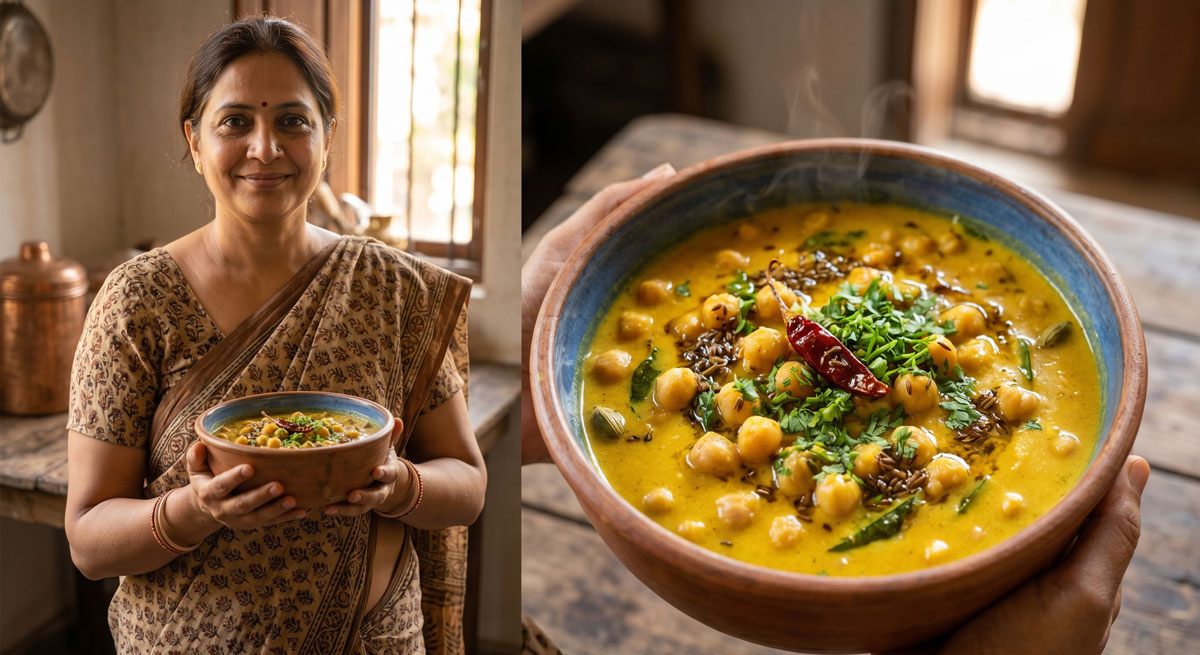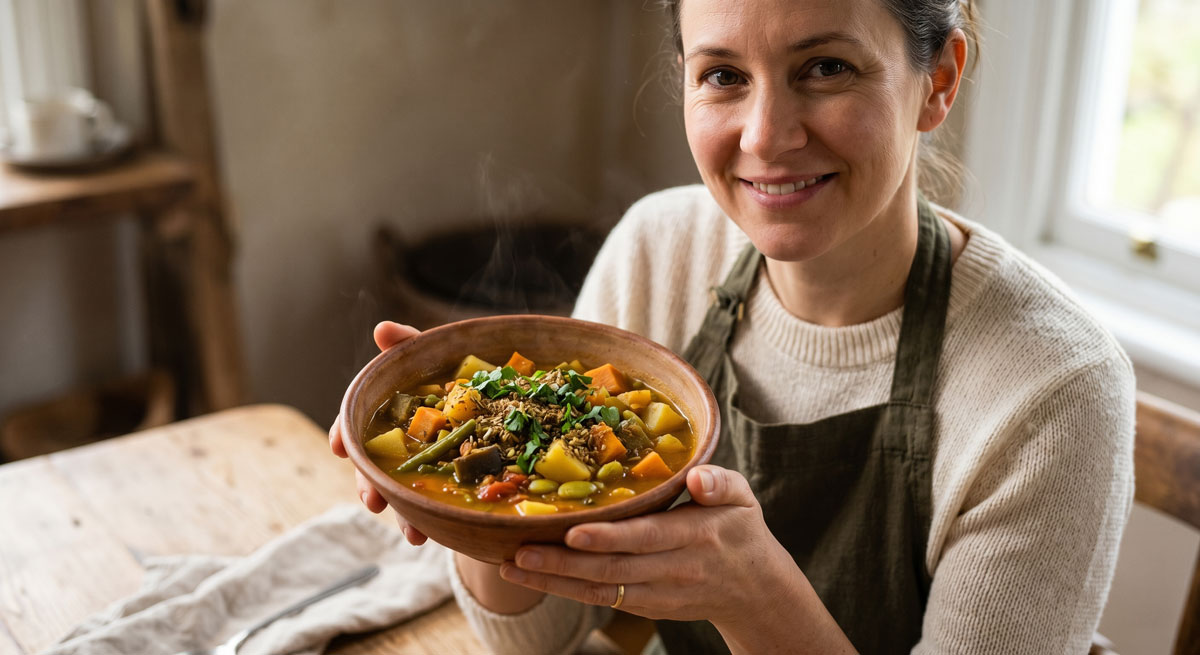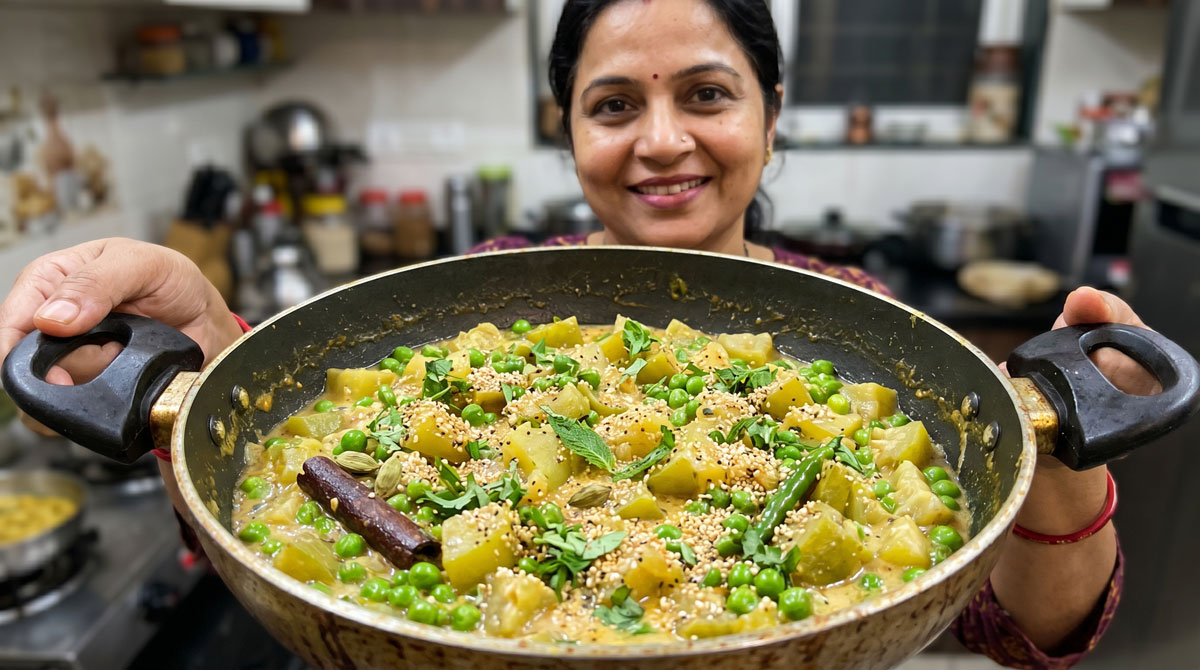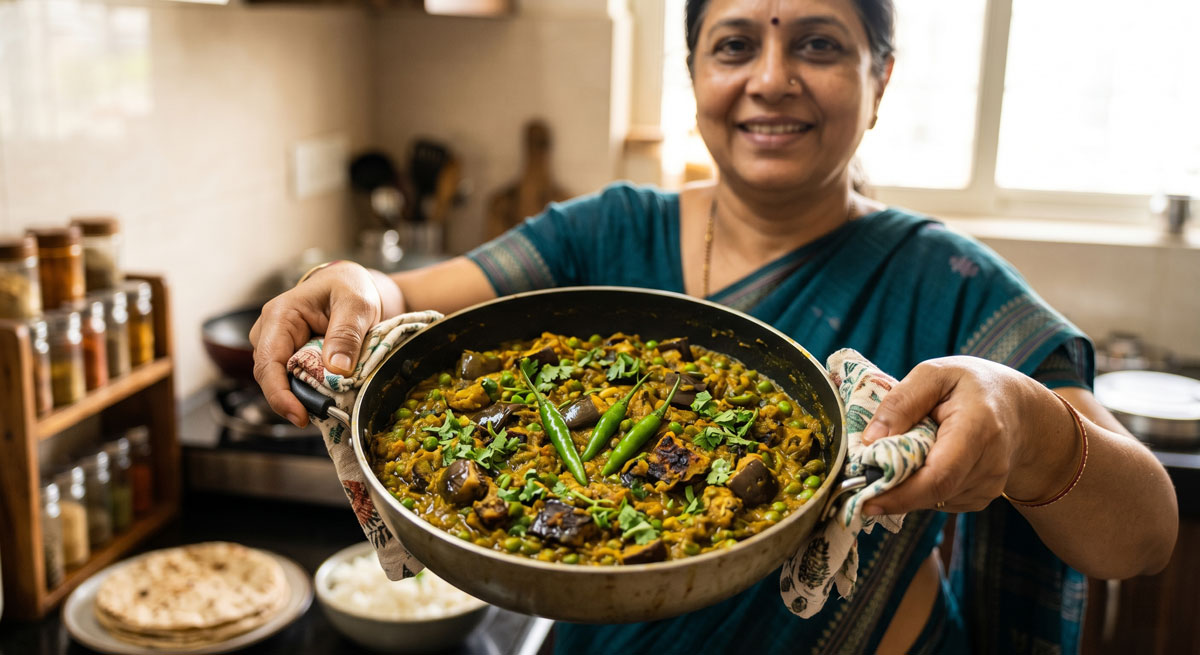

Let’s take a culinary journey to South India, a region whose incredible cuisine was once a well-kept secret in the West. At the heart of this tradition is Sambhar, a soul-warming lentil and vegetable stew that is a daily staple for millions. Forget everything you thought you knew about ‘curry’; Sambhar is a symphony of sharp, clean flavors. Tangy tamarind, fragrant curry leaves, earthy lentils, and a medley of fresh vegetables come together in a vibrant, soupy stew that’s both nourishing and incredibly delicious. It’s a celebration of vegetables, a dish that proves plant-based eating is anything but boring. Serve it with a scoop of fluffy rice and a dollop of cool yogurt for a truly perfect meal.
Ingredients
• Serves 4 as a main course
• 1¼ cups / 250g red lentils (toor dal)
• 4 tablespoons / 60ml canola oil, divided
• ¼ teaspoon / 1g fenugreek seeds
• 2 teaspoons / 4g coriander seeds
• 1½ teaspoons / 3g cumin seeds
• ¾ teaspoon / 1.5g mustard seeds
• 12–15 fresh curry leaves
• 4 banana shallots, finely sliced
• 9 ounces / 250g butternut squash, chopped into 1½-inch cubes
• 11 ounces / 310g eggplant, chopped into 1½-inch cubes
• 4 medium ripe tomatoes, chopped
• 1¾ teaspoons / 10g salt, plus more to taste
• 1½ teaspoons / 6g sugar
• 2 teaspoons / 10ml tamarind paste, or to taste
• 1½ teaspoons / 3g ground red chile
• ½ pound / 225g green beans, trimmed
• For serving: cooked rice, plain yogurt (or vegan alternative)
Instructions
1. Rinse the lentils in cold water until the water runs clear. Place them in a deep saucepan with at least three times their volume of water. Bring to a boil, then reduce to a simmer for 25-30 minutes, or until completely soft. Skim off any foam that rises to the surface.
2. While the lentils cook, heat 1 tablespoon / 15ml of oil in a wide, lidded frying pan or Dutch oven over medium heat. Add the fenugreek, coriander, and cumin seeds and stir-fry for one minute until fragrant. Immediately remove from the heat and grind the toasted spices into a coarse powder using a spice grinder or mortar and pestle.
3. Heat the remaining 3 tablespoons / 45ml of oil in the same pan over medium-high heat. Once hot, add the mustard seeds. When they begin to pop, add the curry leaves and sliced shallots. Sauté for about 10 minutes, stirring occasionally, until the shallots are soft and golden brown.
4. Add the diced butternut squash and a splash of water (about 2 tablespoons). Cover the pan and cook for 5 minutes to give the squash a head start.
5. Stir in the eggplant and another splash of water, cover, and cook for another 5 minutes.
6. Add the chopped tomatoes, the ground spice mix you prepared earlier, salt, sugar, tamarind paste, and ground red chile. Stir everything together, cover the pan, and cook for 5 more minutes, until the tomatoes have broken down and the squash is tender when pierced with a fork.
7. Pour the cooked lentils and their water into the vegetable mixture. Add the trimmed green beans and enough extra water to achieve a thick, soupy consistency. Bring to a simmer and cook for a final 5 minutes, allowing the flavors to meld.
8. Taste the sambhar and adjust the seasoning as needed—you may want more salt for savoriness, sugar for balance, or tamarind for tang. Divide into bowls and serve hot with rice and a dollop of yogurt.
Nutritional Information
• Rich in plant-based protein from lentils, promoting muscle repair and satiety.
• An excellent source of dietary fiber, which aids digestion and heart health.
• Packed with vitamins and antioxidants from the diverse range of vegetables like squash, tomatoes, and green beans.
• Naturally vegan and gluten-free, making it suitable for various dietary needs.
Pro Tips
• for Perfect Sambhar
• Tamarind paste varies in strength by brand. Start with the recommended amount, taste, and gradually add more until you reach your desired level of tanginess.
• Don’t be afraid to customize the vegetables. Traditional additions like drumsticks, carrots, pumpkin, or okra work beautifully in this recipe.
• Toasting the whole spices before grinding is a non-negotiable step. It awakens their aromatic oils and provides a much deeper, more complex flavor base.
• Sambhar tastes even better the next day! The flavors meld and deepen overnight. Store it in the fridge and reheat gently, adding a splash of water to loosen it if needed.
FAQ
Q: Is this vegetarian sambhar a good source of protein
A: Yes, this sambhar is an excellent source of plant-based protein. The base of the stew is toor dal (red lentils), which is naturally rich in protein, making this a nourishing and satisfying main course.
Q: Can I use different vegetables in this sambhar recipe
A: Absolutely! This recipe is very versatile. You can easily substitute the listed vegetables with others like carrots, pumpkin, okra, or traditional drumsticks. It’s a perfect dish for using seasonal produce.
Q: How can I make this sambhar recipe completely vegan
A: The sambhar stew itself is naturally vegan as it contains no animal products. To ensure the entire meal is vegan, simply serve it with a plant-based yogurt, such as a coconut or soy-based alternative, instead of dairy yogurt.
Q: How should I store leftover sambhar
A: Sambhar stores wonderfully and often tastes even better the next day. Keep it in an airtight container in the refrigerator for up to 4 days. Reheat gently on the stovetop, adding a splash of water to loosen the consistency if needed.