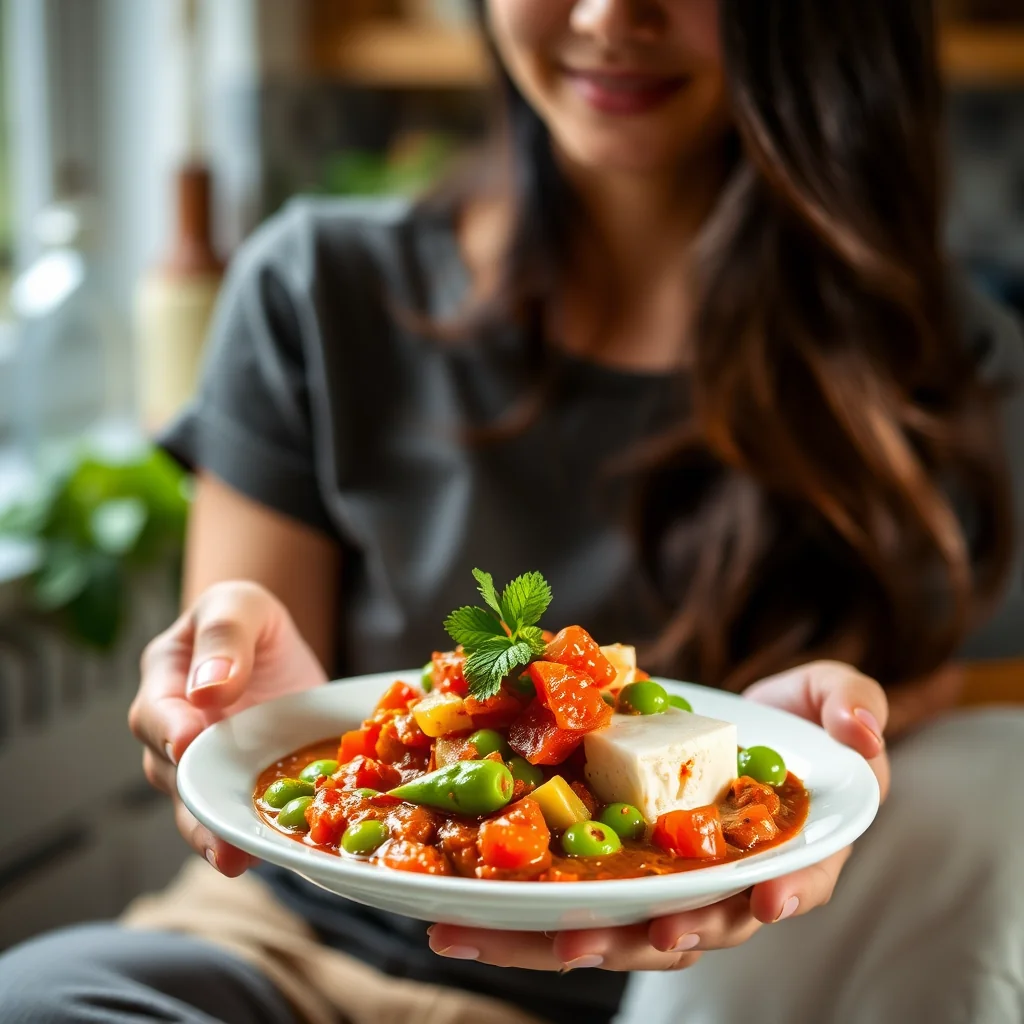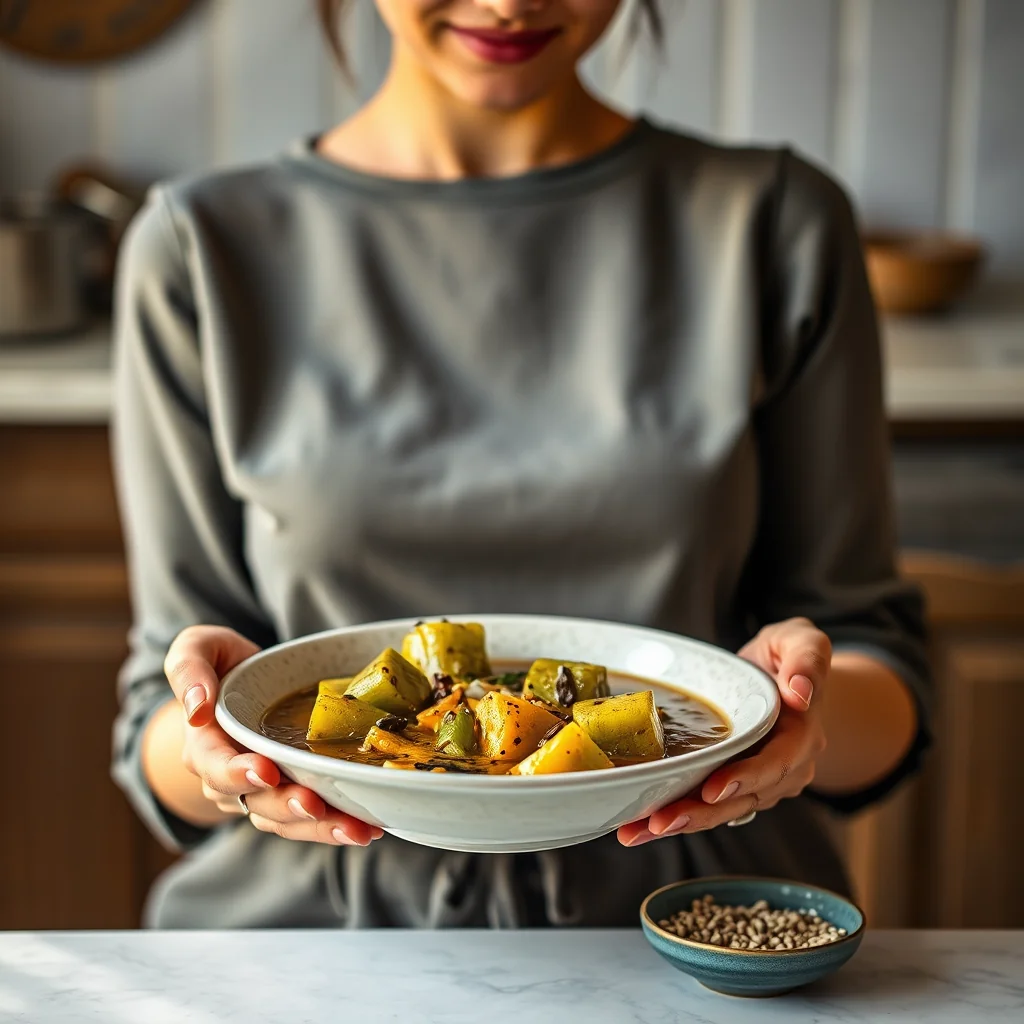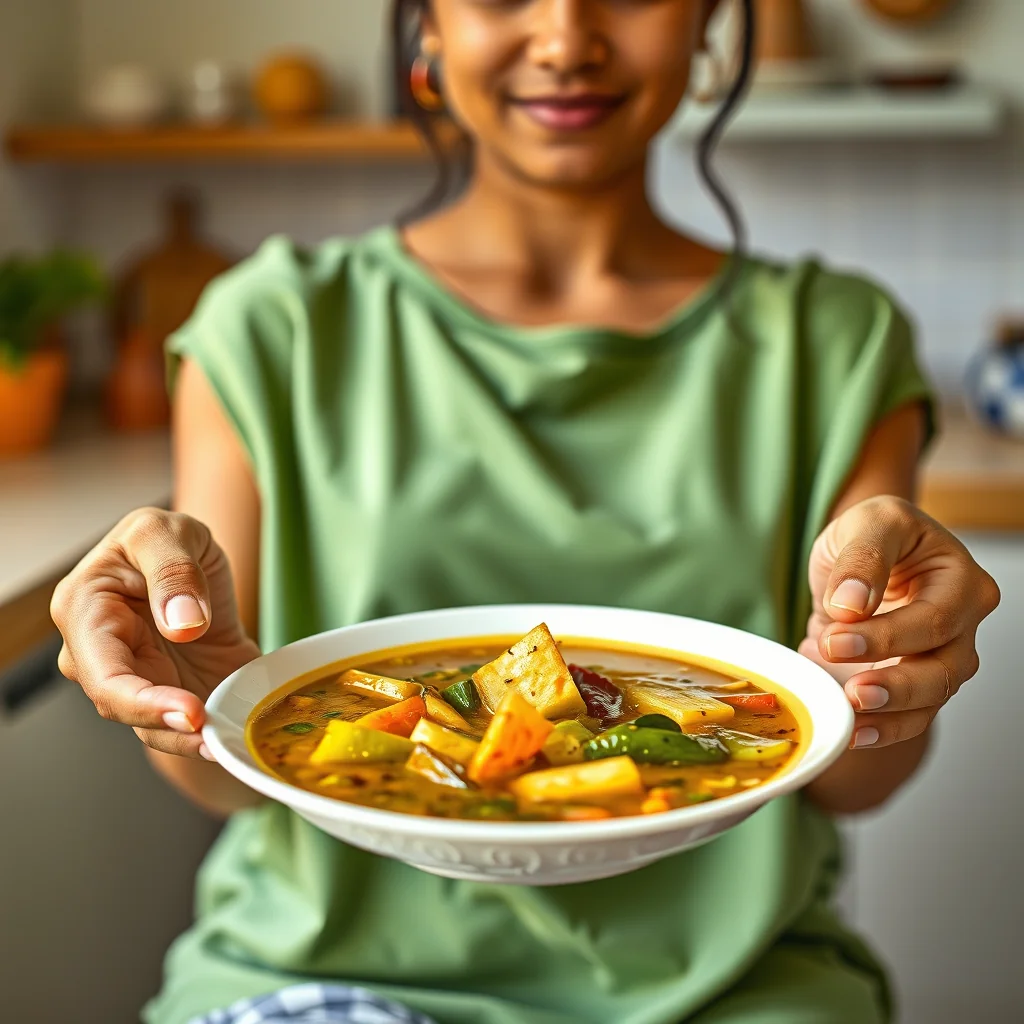
Authentic South Indian sambar — a lentil and vegetable stew — balances sour tamarind, sweet jaggery, gentle heat, and creamy toovar dal in every spoonful. The tamarind and coconut purée does the heavy lifting, simmered into the dal until the pot turns complex and comforting. Make it once and it enters your rotation forever.
There’s nothing quite like the aroma of a simmering pot of Sambar, the quintessential comfort food of South India. This hearty lentil and vegetable stew is a symphony of tangy, spicy, and savory flavors. While traditionally made with toovar dal, its true beauty lies in its versatility—you can pack it with almost any vegetable you have on hand! This recipe guides you through creating an authentic Sambar, but feel free to adjust the heat to your liking, from a gentle warmth to a fiery kick. Serve it hot with steamed rice, idli, or dosa for a truly satisfying and festive meal.
Dal Soaking Time: 3–5 hours
Prep Time: 15 minutes
Cook Time: 1½ hours (stovetop) or 40 minutes (pressure cooker)
Serves: 6–7
Ingredients
• For the Dal:
• ⅔ cup / 135 g (4.8 oz) split toovar dal or yellow split peas
• 6½ cups / 1.5 liters water (use 5½ cups / 1.3 liters for a pressure cooker)
• ½ teaspoon / 2 ml (0.1 fl oz) turmeric
• 1 tablespoon / 15 ml (0.5 fl oz) butter or ghee
• For the Tamarind & Coconut Purée:
• 1½-inch / 4 cm ball of dried tamarind pulp
• 1 cup / 240 ml boiling water for tamarind
• ½ cup / 45 g (1.59 oz) fresh or dried shredded coconut
• 2 tablespoons / 30 ml (1 fl oz) raw sugar or jaggery
• ¼–½ teaspoon / 1–2 ml (0.1 fl oz) cayenne pepper, to taste
• ⅔ cup / 160 ml (5.4 fl oz) water for coconut purée
• For the Vegetables & Tadka (Tempering):
• 4 tablespoons / 60 ml (2 fl oz) ghee or vegetable oil
• ½ tablespoon / 7 ml (0.2 fl oz) black mustard seeds
• 1–2 teaspoons / 5–10 ml (0.3 fl oz) minced seeded hot green chilies
• ¼ teaspoon / 1 ml (0 fl oz) fenugreek seeds
• ¼ teaspoon / 1 ml (0 fl oz) yellow asafetida powder (hing)
• 12–15 fresh curry leaves
• 1 cup / 240 ml green beans, cut into 1-inch pieces
• 1 cup / 240 ml carrots, cut into ¼-inch slices
• 1 small eggplant, cut into ¾-inch cubes
• 2 medium firm ripe tomatoes, quartered
• ½ tablespoon / 7 ml (0.2 fl oz) sambar masala
• 2 teaspoons / 10 ml (0.3 fl oz) salt
• 2–3 tablespoons / 30–45 ml (1.5 fl oz) minced fresh coriander or parsley, for garnish
• Note: This amount is for Cobra brand asafetida. If using another brand, reduce the amount by three-fourths.
Instructions
1. Rinse the toovar dal until the water runs clear. Place it in a bowl, cover with hot water, and let it soak for 3–5 hours. Drain well.
2. To cook the dal, combine the soaked dal, 6½ cups / 1.5 liters of water, turmeric, and 1 tablespoon (15 ml / 0.5 fl oz) of butter or ghee in a large saucepan. Bring to a boil, then reduce the heat, cover, and simmer for about 1½ hours until the dal is very soft. Alternatively, use a pressure cooker with 5½ cups / 1.3 liters of water and cook for 20–25 minutes.
3. While the dal cooks, prepare the flavor base. Soak the tamarind pulp in 1 cup / 240 ml of boiling water for 20 minutes. Squeeze the pulp with your fingers to release the flavor, then strain it through a sieve to get a smooth tamarind juice. Discard the seeds and fibers.
4. In a blender, combine the shredded coconut, sugar or jaggery, cayenne pepper, and ⅔ cup / 160 ml (5.4 fl oz) of water. Blend at high speed until you have a smooth purée.
5. Heat 4 tablespoons (60 ml / 2 fl oz) of ghee or oil in a separate large saucepan over medium-high heat. Add the black mustard seeds. When they begin to pop, add the green chilies and fenugreek seeds and fry for a few seconds until the fenugreek darkens slightly.
6. Stir in the asafetida and curry leaves, followed immediately by the green beans, carrots, eggplant, tomatoes, and sambar masala. Sauté the vegetables for about 10 minutes.
7. Pour the prepared tamarind juice and coconut purée over the vegetables. Partially cover the pan and cook for 10–15 minutes, or until the vegetables are tender.
8. Once the dal is cooked, whisk it lightly to break it down. Pour the cooked dal and salt into the saucepan with the vegetables. Stir well and simmer for 5 more minutes to allow the flavors to meld.
9. Garnish with fresh coriander or parsley and serve hot.
Nutritional Information
• Sambar is a wholesome and nutritious dish, rich in plant-based protein and dietary fiber from the lentils and packed with vitamins and minerals from the diverse range of vegetables. It’s a fantastic, well-rounded meal that’s both satisfying and healthy.(Note: Nutritional values are approximate and can vary based on the specific and quantities used.)
Pro Tips
• for Perfect Sambar
• Experiment with vegetables like drumsticks, pumpkin, radish, broad beans, or winter squash for different flavors and textures.
• Control the spice level by adjusting the amount of green chilies and cayenne pepper to suit your personal preference.
• Using a pressure cooker to cook the dal can reduce the cooking time by more than half, making this dish much quicker to prepare.
• For the most authentic taste, don’t skip the tamarind for tang, jaggery for a hint of sweetness, and asafetida for its unique savory depth.
• The quality of your sambar masala is key. Use a fresh, aromatic store-bought blend or try making your own for the best flavor.
FAQ
Q: Can I make this Sambar recipe vegan
A: Yes, absolutely! To make this Sambar fully vegan, simply substitute the ghee or butter with a high-heat vegetable oil like coconut oil, sunflower oil, or canola oil. All other ingredients in this recipe are naturally plant-based.
Q: Is Sambar a good source of vegetarian protein
A: Sambar is an excellent source of plant-based protein. The main ingredient, toovar dal (split pigeon peas), is a protein-rich lentil. When paired with rice, idli, or dosa, it creates a meal that provides a complete protein profile, making it a highly nutritious option for vegetarians.
Q: What other vegetables can I add to this Sambar
A: This recipe is very versatile. Feel free to add other traditional Sambar vegetables like drumsticks (moringa), pumpkin, yellow cucumber, radish, or shallots (sambar onions). You can easily customize it based on what’s fresh and available.
Q: How should I store leftover Sambar
A: Leftover Sambar can be stored in an airtight container in the refrigerator for up to 3-4 days. The flavors often become richer the next day. Reheat it gently on the stovetop, adding a little water if it has thickened too much upon cooling.
More Recipes You’ll Love
- A Taste of Newfoundland: Cozy Vegetarian Pea Soup & Doughboys
- Black Bean and Butternut Squash Chili
- 25-Minute Smoky Red Bean Stew

Authentic South Indian Sambar (Lentil and Vegetable Stew)
Ingredients
Method
- Rinse the toovar dal until the water runs clear.
- Place it in a bowl, cover with hot water, and let it soak for 3–5 hours.
- Drain well.
- To cook the dal, combine the soaked dal, 6½ cups / 1. 5 liters of water, turmeric, and 1 tablespoon (15 ml / 0.5 fl oz) of butter or ghee in a large saucepan.
- Bring to a boil, then reduce the heat, cover, and simmer for about 1½ hours until the dal is very soft. Alternatively, use a pressure cooker with 5½ cups / 1. 3 liters of water and cook for 20–25 minutes.
- While the dal cooks, prepare the flavor base. Soak the tamarind pulp in 1 cup / 240 ml of boiling water for 20 minutes.
- Squeeze the pulp with your fingers to release the flavor, then strain it through a sieve to get a smooth tamarind juice.
- Discard the seeds and fibers.
- In a blender, combine the shredded coconut, sugar or jaggery, cayenne pepper, and ⅔ cup / 160 ml (5.4 fl oz) of water.
- Blend at high speed until you have a smooth purée.
- Heat 4 tablespoons (60 ml / 2 fl oz) of ghee or oil in a separate large saucepan over medium-high heat.
- Add the black mustard seeds.
- When they begin to pop, add the green chilies and fenugreek seeds and fry for a few seconds until the fenugreek darkens slightly.
- Stir in the asafetida and curry leaves, followed immediately by the green beans, carrots, eggplant, tomatoes, and sambar masala.
- Sauté the vegetables for about 10 minutes.
- Pour the prepared tamarind juice and coconut purée over the vegetables. Partially cover the pan and cook for 10–15 minutes, or until the vegetables are tender.
- Once the dal is cooked, whisk it lightly to break it down.
- Pour the cooked dal and salt into the saucepan with the vegetables.
- Stir well and simmer for 5 more minutes to allow the flavors to meld.
- Garnish with fresh coriander or parsley and serve hot.
- Using a pressure cooker to cook the dal can reduce the cooking time by more than half, making this dish much quicker to prepare.