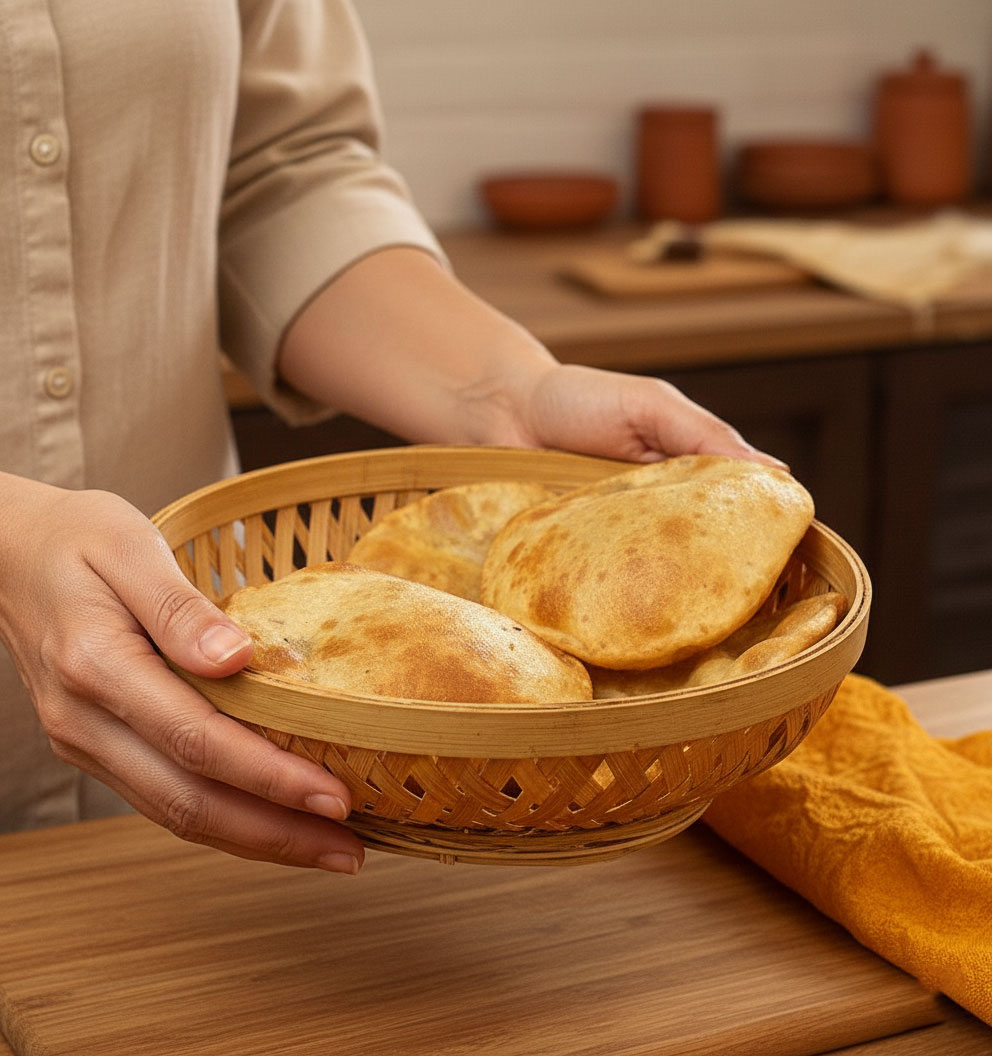
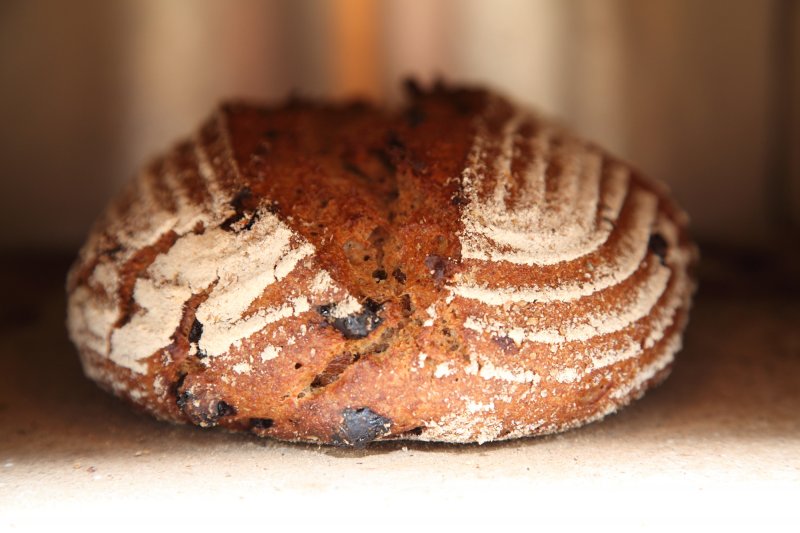
A Slice of Rustic Heaven: Orange & Fennel Rye Raisin Bread
There’s nothing quite like the aroma of freshly baked bread filling your home, and this Rustic Rye and Raisin Loaf is a true showstopper. It’s a wonderfully dense, chewy bread, bursting with sweet, plump raisins, the bright zest of fresh oranges, and a subtle, aromatic hint of fennel. Each slice is a journey of flavor and texture, perfect for a hearty breakfast toast slathered with butter or alongside a robust vegetable soup. Forget the store-bought stuff; let’s get our hands doughy and create something truly special together!
Ingredients
• Yields: 2 medium loaves
• Active Dry Yeast: 2 packages, 2 tablespoons, or 14g
• Lukewarm Water: 1 ½ cups / 355 ml, divided
• Granulated Sugar: 1 teaspoon / 4g
• Raisins: 1 ⅓ cups / 200g
• Milk: 1 cup / 240 ml
• Brown Sugar, packed: ¼ cup / 50g
• Orange Zest: from 2 large oranges
• Fennel Seeds, crushed: ½ teaspoon / 1g
• Rye Flour: 4 ½ cups / 540g
• Unsalted Butter, melted: 3 tablespoons / 43g
• Salt: 1 tablespoon / 18g
• All-Purpose or Bread Flour: 2 ½ cups / 300g, plus more for kneading
• Cornmeal: for dusting the baking sheets
Instructions
1. In a small bowl, proof the yeast by dissolving it in ½ cup of the lukewarm water with 1 teaspoon of granulated sugar. Let it stand for about 10 minutes until it becomes foamy and bubbly.
2. While the yeast proofs, place the raisins in a bowl and cover them with boiling water. Let them sit for 10 minutes to plump up, then drain them thoroughly.
3. In a saucepan, gently heat the 1 cup of milk and the remaining 1 cup of water until lukewarm. In a large mixing bowl, combine this warm milk-water mixture with the proofed yeast, brown sugar, plumped raisins, orange zest, and crushed fennel seeds. Add 2 cups of the rye flour and beat with a wooden spoon until the batter is smooth. Stir in the melted butter and salt.
4. Gradually add the remaining 2 ½ cups of rye flour, about ½ cup at a time, followed by 1 cup of the all-purpose flour. Continue mixing until the dough becomes too stiff to stir with a spoon.
5. Generously flour a clean work surface with 1 cup of the all-purpose flour and turn the sticky dough out onto it. Sprinkle the remaining flour over the top. Begin to knead the dough, using the flour on the board to prevent sticking. Knead for 15-20 minutes, adding only as much extra flour as needed, until the dough is smooth and elastic.
6. Form the dough into a ball and place it in a large, well-buttered bowl, turning it over to coat the entire surface with butter. Cover the bowl with a tea towel and let it rise in a warm, draft-free place for 1 hour, or until it has doubled in size.
7. Gently punch down the risen dough. Give it a few quick kneads on a lightly floured surface, then divide it in half. Shape each half into a smooth, round loaf, pinching the seams together firmly at the bottom.
8. Butter two baking sheets and sprinkle them with cornmeal. Place one loaf on each sheet, seam-side down. Using a sharp, serrated knife, score a large ‘X’ into the top of each loaf. Cover with a tea towel and let them rise for a final 1 hour, or until they have nearly doubled in size.
9. Towards the end of the second rise, preheat your oven to 375°F (190°C). Just before baking, brush the tops of the loaves with water. Bake for 1 hour, or until the loaves are deep golden brown and sound hollow when tapped on the bottom.
10. Transfer the hot loaves to a wire rack to cool completely before slicing. This is crucial for the texture, so be patient!
Nutritional Information
• (Estimated)
• Per slice (assuming 16 slices per loaf)
• Calories: 155 kcal
• Carbohydrates: 32g
• Protein: 4g
• Fat: 2g
• Sodium: 225mg
• Fiber: 3g
Pro Tips
• for Perfect Rye Bread
• Rye dough is notoriously sticky. Don’t be afraid to use enough flour on your hands and work surface during kneading, but try not to add too much more to the dough itself, which can make it dry. A bench scraper is your best friend here!
• Ensure your yeast is active before you begin. If the mixture of yeast, sugar, and warm water doesn’t get foamy and bubbly after 10 minutes, your yeast may be old, and your bread won’t rise properly.
• For the best flavor, toast the fennel seeds in a dry pan for a minute until fragrant before crushing them with a mortar and pestle or the back of a spoon. This small step makes a huge difference!
• To be certain your bread is fully baked, carefully remove a loaf from the oven and tap the bottom. It should have a firm crust and sound distinctly hollow. If it sounds dull or soft, it needs a few more minutes.
FAQ
Q: Can I make this rye raisin bread vegan
A: Yes, this recipe can easily be made vegan. Replace the 1 cup of milk with your favorite unsweetened plant-based milk, such as almond or soy milk. For the 3 tablespoons of unsalted butter, use an equal amount of vegan butter, melted coconut oil, or olive oil. All other ingredients are naturally plant-based.
Q: What vegetarian dishes pair well with this orange fennel rye bread
A: This bread’s unique flavor profile complements many vegetarian meals. Serve it alongside a hearty lentil soup, a creamy butternut squash soup, or a robust vegetable stew. It’s also fantastic toasted and topped with avocado, hummus, or a sharp plant-based cheese for a satisfying lunch or snack.
Q: Is this rye bread a good source of vegetarian protein
A: While this bread offers about 4g of protein per slice, it’s primarily a source of complex carbohydrates and dietary fiber from the whole grain rye flour. To create a more protein-rich meal, pair a slice with toppings like almond butter, mashed chickpeas, or a side of scrambled tofu.
Q: How should I store this homemade rye bread to keep it fresh
A: To preserve its rustic crust and chewy interior, allow the bread to cool completely on a wire rack. Once cool, store it in a paper bag or a bread box at room temperature for up to 4 days. For longer-term storage, slice the loaf and freeze it in an airtight container or freezer bag for up to 3 months.