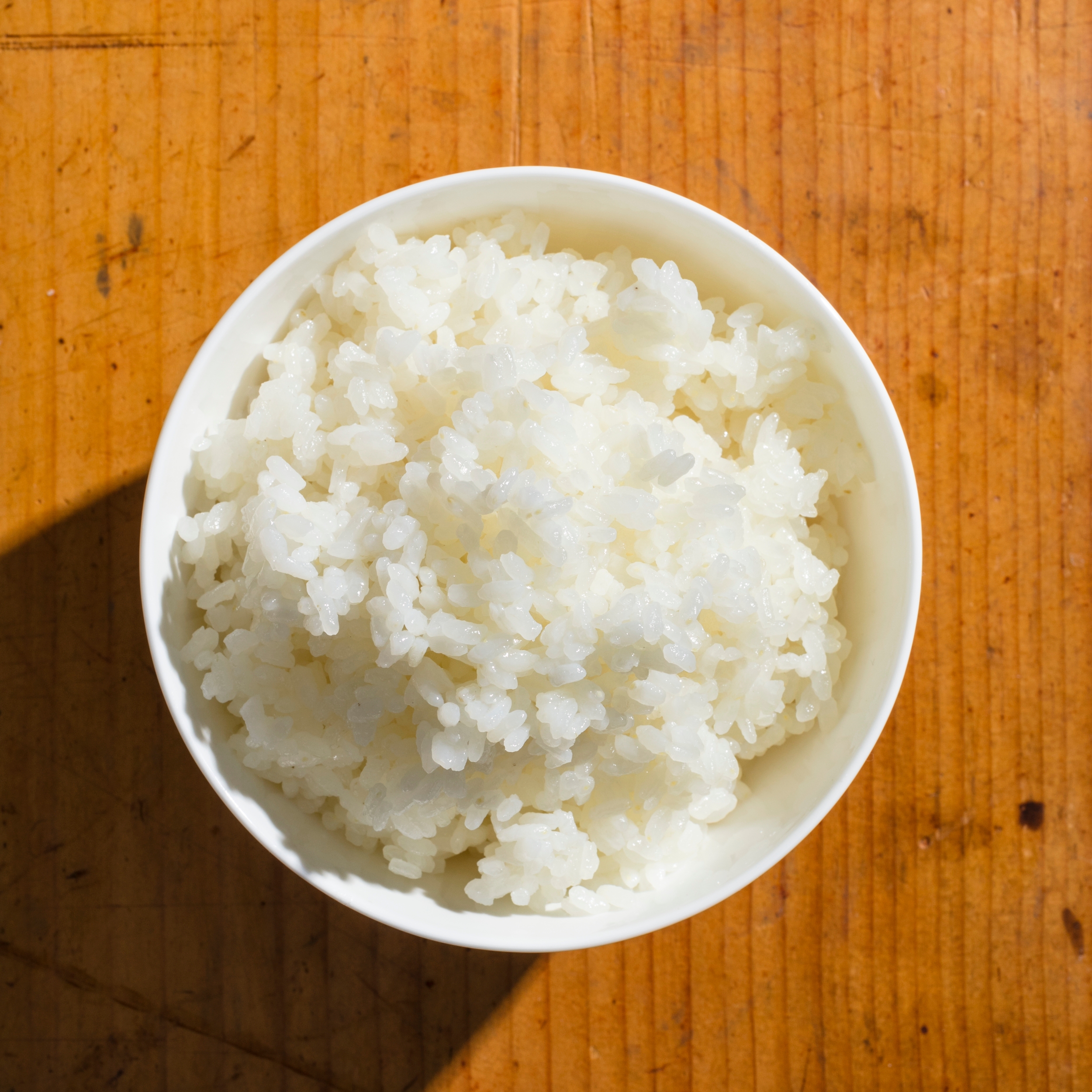
The secret to unforgettable homemade sushi isn’t just the fillings—it’s the rice! Achieving that perfect balance of sticky, fluffy, and tangy-sweet is what elevates your creations from good to restaurant-quality. This simple recipe demystifies the process, giving you the perfect foundation for all your favorite vegetarian sushi rolls, vibrant poke bowls, and adorable onigiri. Remember, the magic is in the freshness; for the ultimate texture, it’s best to make this just a few hours before you plan to serve it.
Ingredients
• 2 cups / 400g Japanese short-grain rice
• 2 cups / 475ml Water, for cooking
• 1/4 cup / 60ml Rice vinegar
• 2 tablespoons / 25g Granulated sugar
• 1 teaspoon / 6g Salt
Instructions
1. First, rinse the rice in a fine-mesh sieve under cold running water until the water runs clear. Cook the rice according to your rice cooker’s or on the stovetop.
2. While the rice is cooking, prepare the sushi vinegar. In a small saucepan, combine the rice vinegar, sugar, and salt. Warm over medium heat, stirring constantly, just until the sugar and salt dissolve completely. Do not let it boil.
3. Remove the vinegar mixture from the heat and set it aside to cool to room temperature. To speed this up, you can place the small saucepan into a larger bowl filled with ice water.
4. Once the rice is cooked, immediately transfer the hot rice to a large, non-metallic bowl (a wooden, glass, or ceramic bowl is ideal).
5. Gently drizzle the cooled vinegar mixture evenly over the hot rice. Using a rice paddle or a rubber spatula, use a quick slicing and folding motion to separate the grains and coat them with the vinegar. Avoid stirring or mashing the rice.
6. As you fold, use a fan or a piece of cardboard to rapidly cool the rice. This removes excess moisture and gives the rice a traditional glossy sheen.
7. Once the rice has cooled to room temperature, cover the bowl with a clean, damp cloth until you are ready to use it. Use within 2-3 hours for the best texture.
Nutritional Information
• Approximate values per serving (recipe makes 4)
• Calories: 350 kcal
• Carbohydrates: 78g
• Protein: 6g
• Fat: 1g
• Sodium: 590mg
• Sugar: 6g
Pro Tips
• for Perfect Sushi Rice
• Always use Japanese short-grain rice. Its high starch content is essential for achieving the correct sticky, yet distinct, texture that other rice varieties like long-grain or basmati cannot provide.
• Use a non-metallic bowl and paddle for mixing. The high acidity of the rice vinegar can react with metal, which can alter the taste of the rice. A traditional wooden hangiri, or a large glass bowl, works perfectly.
• Do not refrigerate the finished sushi rice. The cold temperature will cause the grains to become hard, dry, and lose their signature texture. It is best made and enjoyed on the same day.
• The fanning step is not just for show! Rapidly cooling the rice while mixing in the vinegar helps to evaporate excess moisture quickly, preventing a gummy texture and giving the rice a beautiful, glossy finish.