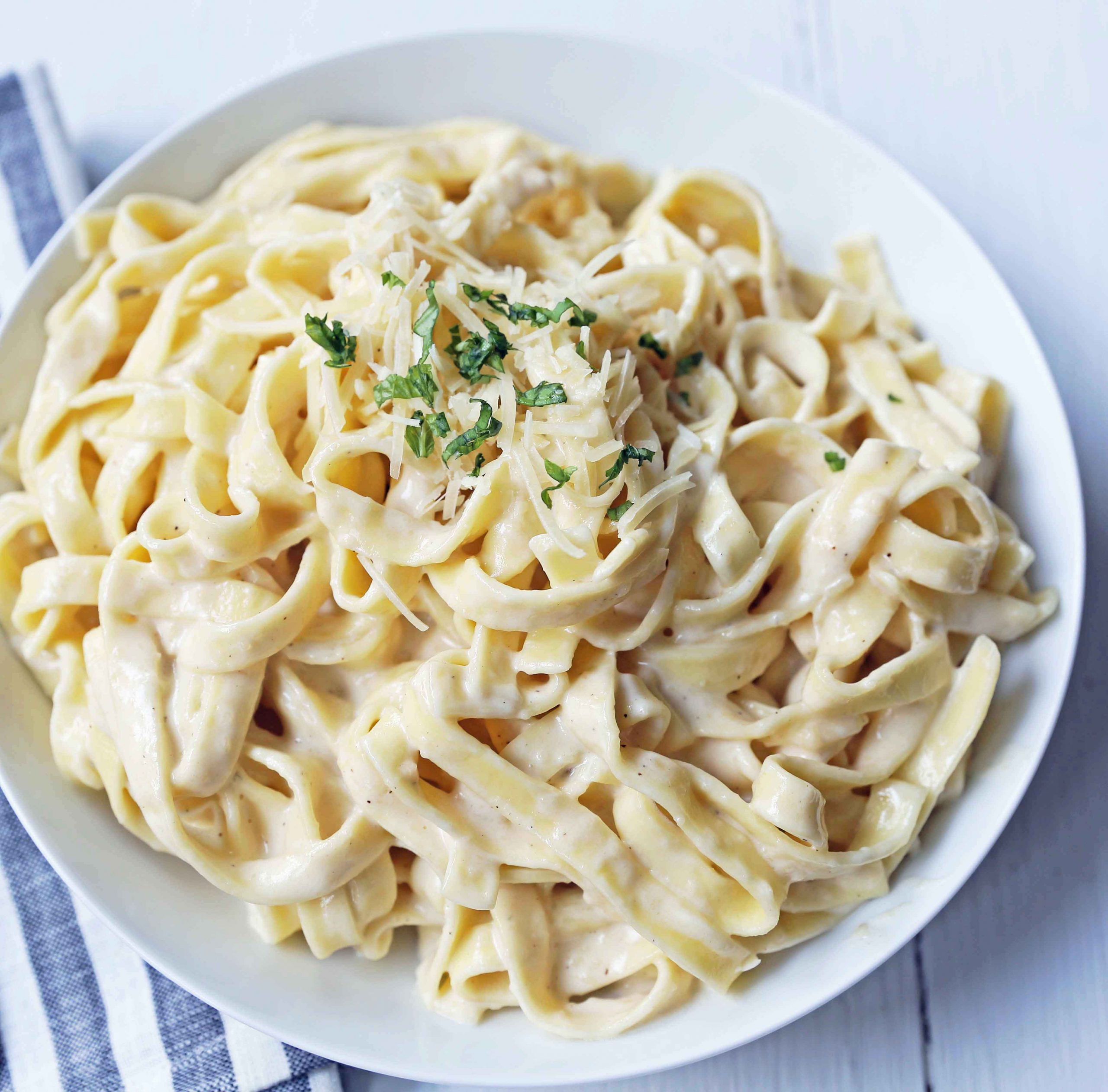
Forget everything you know about jarred Alfredo sauce! This is the real deal—a luxuriously rich and velvety cream sauce made with just a handful of high-quality ingredients. It’s the kind of decadent, soul-warming pasta dish that turns any weeknight dinner into a special occasion. Prepare to fall in love with the simple elegance of authentic Fettuccine Alfredo.
Ingredients
• 1½ cups / 360 ml heavy cream
• 1½ cups / 155 g freshly grated Parmesan cheese
• ½ cup / 113 g unsalted butter, cut into pieces
• 2 large egg yolks
• Salt to taste
• Freshly ground white pepper to taste
• 1 lb / 450 g fettuccine noodles
• ½ cup / 20 g chopped fresh parsley, for garnish
Instructions
1. In a medium, heavy-bottomed saucepan, gently warm the heavy cream over low heat. When tiny bubbles form at the edges, begin whisking in the Parmesan cheese, a small handful at a time, until it’s completely melted and the mixture is smooth.
2. Continue whisking constantly over low heat for about 10 minutes. Add the butter, one piece at a time, allowing each to fully melt before adding the next. Once all the butter is incorporated, the sauce should be velvety and smooth.
3. Remove the pan from the heat. In a separate small bowl, lightly beat the egg yolks. Slowly drizzle about a half-cup of the hot cream sauce into the yolks while whisking constantly to temper them. Pour the tempered egg yolk mixture back into the saucepan, whisking vigorously to combine. Season to taste with salt and white pepper.
4. As the sauce finishes, bring a large pot of heavily salted water to a rolling boil. Add the fettuccine and cook until al dente, following the package .
5. Drain the pasta quickly in a colander (do not rinse) and transfer it to a large, warmed serving bowl. Immediately pour the hot cream sauce over the top.
6. Using tongs or two large spoons, gently lift and toss the fettuccine until every strand is evenly coated in the luscious sauce. Garnish with chopped fresh parsley and serve right away.
Nutritional Information
• Estimated
• Serves: 6
• Calories: Approximately 725 kcal per serving
• Protein: 25g
• Fat: 55g
• Carbohydrates: 35g
• Note: This is an estimate and can vary based on exact used.
Pro Tips
• Use freshly grated Parmesan cheese from a block, not the pre-shredded kind. It melts much more smoothly and has a far superior flavor.
• Keep the heat on low throughout the sauce-making process. High heat can cause the cream to separate or the cheese to become grainy.
• Reserve a cup of the starchy pasta water before draining. It’s perfect for thinning a sauce that has become too thick, as the starch helps the sauce cling to the noodles.
• Alfredo sauce thickens very quickly as it cools. For the best creamy texture, have your plates ready and serve the pasta the moment it’s tossed with the sauce.
FAQ
Q: Is this fettuccine alfredo recipe truly vegetarian
A: Yes, this recipe is vegetarian, but it’s crucial to use a specific type of Parmesan cheese. Traditional Parmigiano-Reggiano uses animal rennet. To keep this dish strictly vegetarian, look for Parmesan-style hard cheeses that are labeled ‘vegetarian’ or state they are made with microbial or vegetable rennet, which are widely available.
Q: How can I add more protein to this vegetarian alfredo
A: To boost the protein content while keeping it meatless, consider adding pan-seared mushrooms, wilted spinach, roasted broccoli, or green peas. For a heartier addition, you could toss in some crispy baked tofu, chickpeas, or white cannellini beans when you combine the pasta and sauce.
Q: Can I make this alfredo sauce dairy-free or vegan
A: This specific recipe relies heavily on dairy and eggs for its classic texture. Creating a vegan version would require significant substitutions, such as using a base of soaked raw cashews, full-fat coconut milk, a high-quality vegan butter, and a plant-based parmesan alternative. The egg yolks, which add richness, could be omitted or replaced with a touch of nutritional yeast for a cheesy flavor.
Q: How should I store and reheat leftover vegetarian alfredo
A: It’s best to enjoy this alfredo fresh, as the sauce can separate or become oily when reheated. If you have leftovers, store them in an airtight container in the refrigerator for up to 2 days. To reheat, gently warm the pasta in a saucepan over very low heat, adding a splash of milk or cream to help restore its smooth, velvety consistency. Avoid using a microwave.