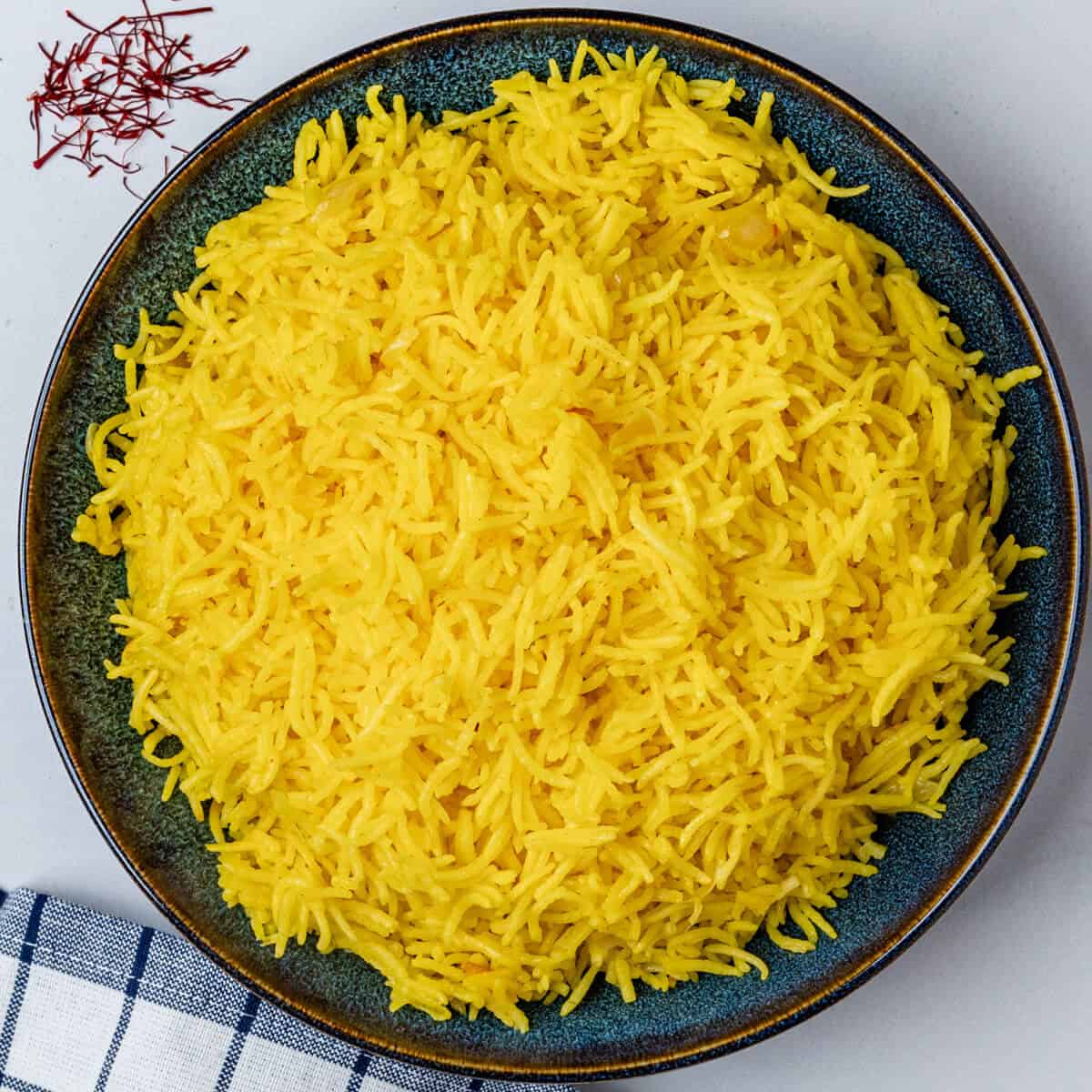

Ever wonder what separates a truly spectacular rice dish from a bland, sticky mess? The secret is in the technique, and today we’re mastering the art of the perfect Rice Pilaf! It’s a simple, elegant method that starts with toasting the rice in aromatic butter and onions before simmering it in a flavorful broth. This one little step creates an incredible depth of flavor and a wonderfully fluffy texture that will elevate any meal. Forget risotto—pilaf is the unsung hero of home cooking, and this golden version is about to become your new favorite side dish.
Ingredients
• 2 tbsp / 30g unsalted butter or olive oil
• 1 small yellow onion, finely chopped
• 1 ½ cups / 300g basmati rice, rinsed well
• 3 cups / 720ml vegetable stock, warm
• 1 large pinch saffron threads
• ½ tsp salt, or to taste
• ¼ tsp black pepper
• Fresh parsley, chopped, for garnish
Instructions
1. Steep the saffron threads in the warm vegetable stock for at least 10 minutes to allow the color and flavor to infuse.
2. In a medium saucepan or pot with a tight-fitting lid, melt the butter or heat the oil over medium heat. Add the chopped onion and sauté until softened and translucent, about 5-7 minutes.
3. Add the rinsed basmati rice to the pot. Stir constantly for 2-3 minutes, toasting the grains until they are fragrant and the edges become translucent. This step is key to a fluffy pilaf!
4. Pour in the warm saffron-infused stock, salt, and pepper. Stir once and bring the liquid to a boil.
5. Once boiling, immediately reduce the heat to the lowest possible setting, cover the pot with the lid, and let it simmer for 15-18 minutes, or until all the liquid has been absorbed. Do not lift the lid while it cooks.
6. Remove the pot from the heat and let it stand, still covered, for 10 minutes. This allows the rice to steam and finish cooking perfectly.
7. Fluff the rice gently with a fork, garnish with fresh parsley, and serve immediately.
Nutritional Information
• Serving Size: 1 cup
• Calories: 280 kcal
• Carbohydrates: 55g
• Protein: 6g
• Fat: 4g
• Sodium: 450mg
Pro Tips
• for Perfect Pilaf
• For a budget-friendly golden hue, substitute ½ teaspoon of ground turmeric for the saffron threads. Add it to the pot when you are toasting the rice.
• Don’t skip rinsing the rice! This removes excess surface starch and is crucial for achieving separate, fluffy grains instead of a sticky texture.
• Pilaf reheats beautifully. To revive leftovers, add a splash of water or stock, cover, and warm gently in the microwave or on the stovetop until heated through.
• While basmati is a classic choice, feel free to experiment. Short-grain rice will yield a slightly chewier texture, which can be a delightful variation.
FAQ
Q: Can I make this rice pilaf vegan
A: Absolutely! To make this rice pilaf vegan, simply substitute the unsalted butter with an equal amount of olive oil or your favorite plant-based butter. The recipe will be just as delicious and entirely plant-based.
Q: How can I add more protein to this vegetarian pilaf
A: To transform this side dish into a hearty vegetarian main, gently stir in 1 cup of cooked chickpeas, lentils, or shelled edamame when you fluff the rice with a fork. You can also top it with toasted almonds or pistachios for extra protein and crunch.
Q: What other vegetables can I add to this pilaf
A: This pilaf is a wonderful base for more vegetables. Try sautéing diced carrots, celery, or mushrooms along with the onion at the beginning. You can also stir in a half cup of frozen peas or corn during the last 5 minutes of simmering for a pop of color and sweetness.
Q: How should I store and reheat leftover rice pilaf
A: Store any leftover pilaf in an airtight container in the refrigerator for up to 4 days. To reheat, add a splash of water or vegetable stock, cover, and warm it gently in the microwave or on the stovetop until heated through. This prevents it from drying out.