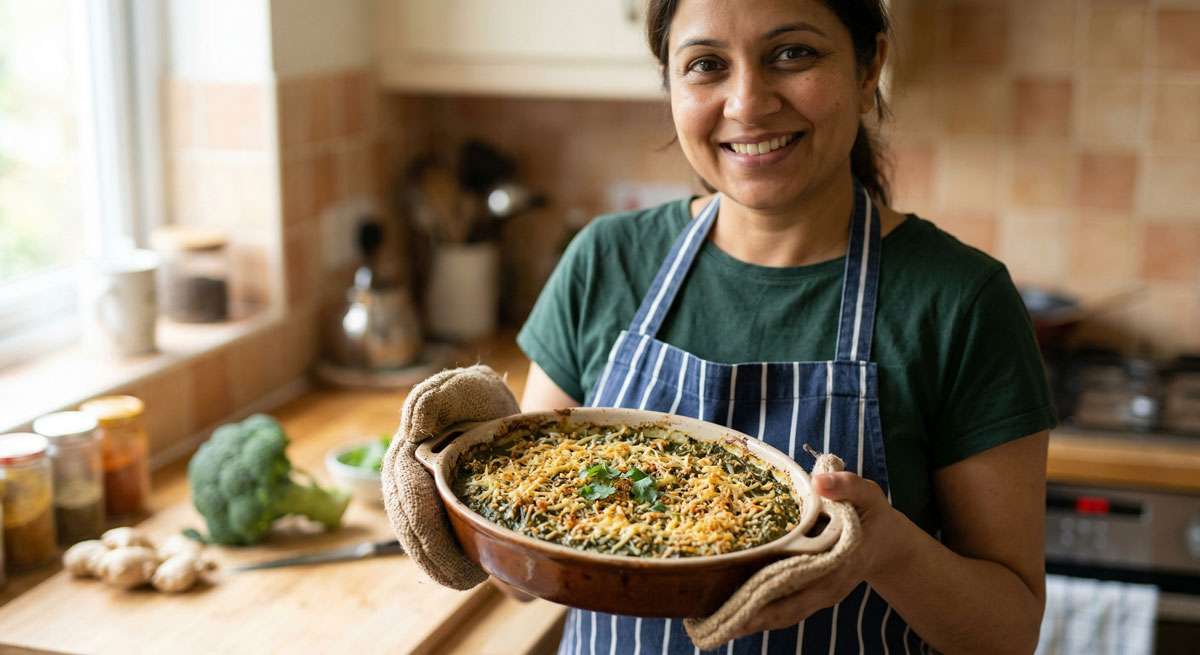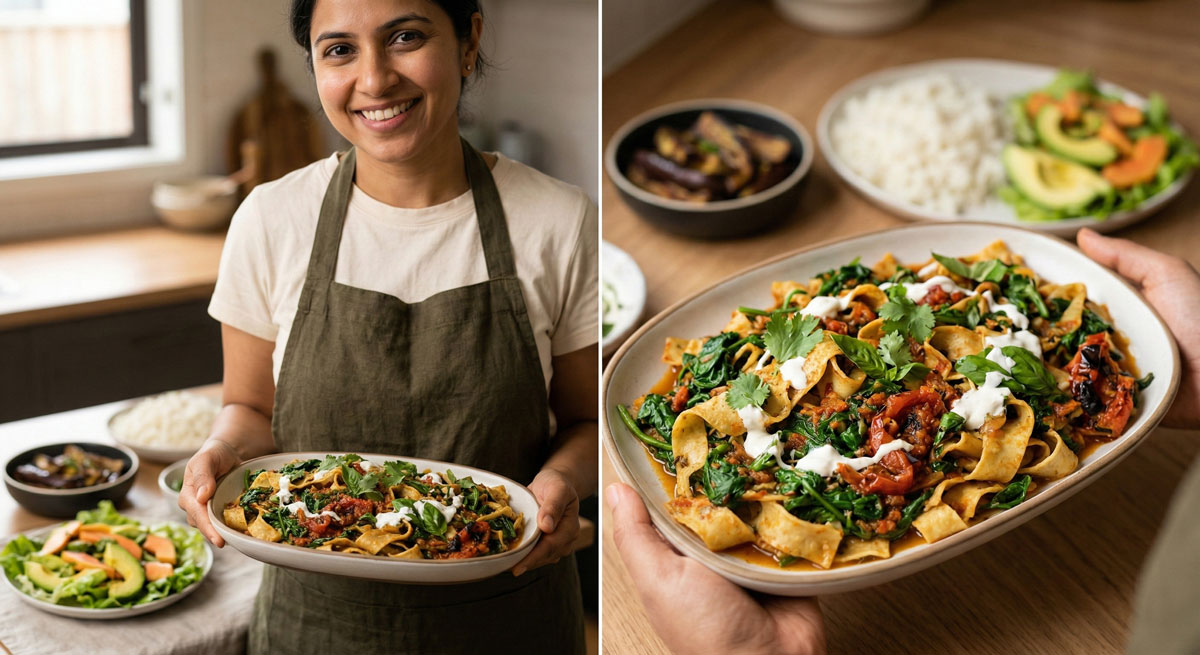

If you’re a fan of a hearty, robust chili, then you are going to fall head over heels for this authentic Punjabi Rajma. This incredible kidney bean curry is a cornerstone of Northern Indian cuisine—deeply nutritious, incredibly filling, and bursting with complex, spicy flavors. There are countless ways to make Rajma, but this particular recipe holds a special place in my heart.
I first tasted it in a small village in Punjab, where it was the star of a simple, yet elegant meal. We were served on plates woven from leaves and in rustic, unglazed clay bowls. The memory is so vivid: the earthy aroma of the curry, the mingling of spices, and the simple joy of the meal. It was served with fluffy, deep-fried bread and a crisp spinach-radish salad, a combination that’s simply divine for a cozy brunch on a cold day. While it’s a showstopper with fresh bread, this versatile curry is just as delicious served with a simple bowl of steamed rice, making it a perfect addition to any menu.
Ingredients
• For the Beans
• 2¼ cups / 410 g dried red kidney beans
• 6 cups / 1.5 liters water, or 5 cups / 1.25 liters if pressure-cooking
• 1 small cassia or bay leaf
• ¼ teaspoon / 1 ml turmeric
• ¼ teaspoon / 1 ml cayenne pepper or paprika
• 1 tablespoon / 15 ml butter or ghee
• For the Masala Gravy
• 2½ tablespoons / 37 ml coriander seeds
• 1 tablespoon / 15 ml cumin seeds
• ½ teaspoon / 2 ml fennel seeds
• ⅓ teaspoon / 1.5 ml ajwain seeds
• 5 tablespoons / 75 ml ghee or peanut oil
• 6 ounces / 170 g fresh panir cheese, cut into ½-inch / 1.5 cm cubes
• 2–3 tablespoons / 30–45 ml finely minced fresh ginger
• 4 medium-sized firm ripe tomatoes, diced
• 1 teaspoon / 5 ml garam masala
• 1 teaspoon / 5 ml turmeric
• 1 tablespoon / 15 ml salt
• 1½ tablespoons / 22 ml fresh lemon or lime juice
• ½ cup / 120 ml water
• For Garnish
• 1 tablespoon / 15 ml ghee or butter
• ¼ cup / 60 ml chopped fresh coriander or parsley
Instructions
1. First, prepare the beans. Soak the kidney beans in 4 cups / 1 liter of water for at least 8 hours or overnight. For a quick soak, boil the beans in 3 cups / 710 ml of water for 2 minutes, then remove from heat and let them soak, covered, for 1 hour.
2. Drain the soaked beans, reserving the soaking water. Add enough fresh water to the reserved liquid to make 6 cups / 1.5 liters. In a large saucepan, combine the beans, water, cassia/bay leaf, turmeric, cayenne, and butter. Bring to a boil, then cover and simmer on low for 1½–3 hours, until tender. (For a pressure cooker, use 5 cups / 1.25 liters of water and cook for 25-30 minutes).
3. Once cooked, mash ¾ cup / 180 ml of the beans into a purée. If the remaining cooking liquid is thin, remove the whole beans with a slotted spoon and boil the liquid until it reduces to about 1½ cups / 360 ml. Set the beans and liquid aside.
4. While the beans cook, prepare the spice blend. Combine the coriander, cumin, fennel, and ajwain seeds in a spice grinder or mortar and pestle and grind to a fine powder.
5. Create the ginger-spice paste. Blend the minced ginger with ½ cup / 120 ml of water until smooth. Pour this into a bowl with the freshly ground spice powder, garam masala, turmeric, salt, and lemon juice. Stir until it resembles thin cream, adding a little more water if needed.
6. In a large casserole or heavy-bottomed pan, heat 5 tablespoons / 75 ml of ghee or oil over moderate heat. Carefully add the panir cubes and pan-fry, turning occasionally, for 5–7 minutes until golden brown on all sides. Remove the browned panir and set aside.
7. In the same pan, pour in the ginger-spice paste and stir-fry for 1–2 minutes until fragrant. Add the diced tomatoes and cook for about 8 minutes, stirring frequently, until the tomatoes break down into a thick paste and the oil begins to separate from the masala.
8. Add the whole cooked beans, the mashed bean purée, the fried panir cubes, and the reserved 1½ cups / 360 ml of cooking liquid to the pan. Stir everything together, reduce the heat to low, and simmer gently for 15 minutes to allow the flavors to meld.
9. Just before serving, stir in the final tablespoon of ghee or butter and the chopped fresh coriander or parsley. Serve hot with rice or your favorite Indian bread.
Nutritional Information
• Serving: 1 serving (of 8) | Calories: 465kcal | Carbohydrates: 58g | Protein: 20g | Fat: 19g | Saturated Fat: 9g | Fiber: 16g | Sugar: 5g | Sodium: 720mg
• (Disclaimer: is an estimate and may vary based on the exact and cooking methods used.)
Pro Tips
• for Perfect Rajma
• For the creamiest gravy, don’t skip the step of mashing a portion of the cooked beans. This is the secret to a thick, luscious curry without adding any cream.
• Unlock maximum flavor by lightly toasting the whole spices (coriander, cumin, fennel, ajwain) in a dry pan for a minute until fragrant before grinding them.
• Rajma tastes even better the next day! Make it ahead of time and let it rest in the fridge overnight. The flavors will deepen and meld together beautifully.
• Control the heat by adding a whole or slit green chili along with the tomatoes for an extra kick, or use a milder paprika instead of cayenne for less spice.
FAQ
Q: Can I make this Punjabi Rajma recipe vegan
A: Yes, absolutely! To make this rajma vegan, simply substitute the ghee and butter with a high-heat neutral oil like peanut or sunflower oil. For the panir, you can use firm or extra-firm tofu, pan-fried until golden just like the panir, or omit it entirely. The dish will still be incredibly flavorful and satisfying.
Q: Is this vegetarian kidney bean curry a good source of protein
A: Yes, this Punjabi Rajma is an excellent source of plant-based protein. Kidney beans are naturally rich in protein and fiber, and this recipe provides approximately 20g of protein per serving. It’s a fantastic option for a hearty and nutritious vegetarian main course that will keep you full and satisfied.
Q: How should I store leftover rajma and how long does it last
A: Rajma stores beautifully and the flavors actually deepen overnight, making it perfect for meal prep. Allow the curry to cool completely, then transfer it to an airtight container and refrigerate for up to 4-5 days. You can also freeze it in a freezer-safe container for up to 3 months. Reheat gently on the stovetop or in the microwave.
Q: Is this authentic Punjabi Rajma recipe gluten-free
A: This rajma recipe is naturally gluten-free as all the core ingredients—beans, spices, ghee, and panir—do not contain gluten. To ensure the entire meal is gluten-free, serve it with a naturally gluten-free side like steamed rice instead of traditional Indian breads like naan or roti.