Beat the summer heat with the ultimate South Indian comfort food: Yogurt Rice! Known as Thayir Sadam, this dish is a lifesaver on warm days. It’s incredibly refreshing, light on the stomach, and packed with the goodness of probiotics. The creamy, cool rice combined with a crunchy, aromatic tempering of spices creates a symphony of textures and flavors that is both simple and deeply satisfying. Whether you need a quick lunch, a light dinner, or a soothing meal, this recipe comes together in minutes and can be enjoyed chilled or at room temperature.
Ingredients
• 1 cup / 95 g basmati or other long-grain white rice
• 1⅔–2 cups / 400–480 ml water
• 1½ cups / 360 ml plain yogurt
• 1 teaspoon / 5 ml salt
• 1¼ teaspoons / 6 ml ground ginger
• ¼ teaspoon / 1 ml freshly ground black pepper
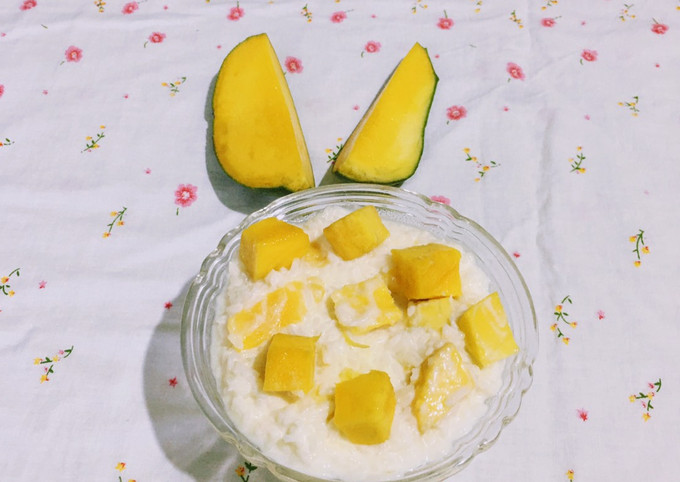
• ⅔ cup / 160 ml peeled, shredded raw green mango, cucumber, or carrot
• 1½ tablespoons / 22 ml ghee or sesame oil
• ½ tablespoon / 7 ml split urad dal, if available
• 1 teaspoon / 5 ml black mustard seeds
• 6–8 fresh curry leaves
• Fresh coriander or parsley for garnish
Instructions
1. First, prepare the rice. Rinse the basmati rice under cold water until it runs clear. In a heavy saucepan, bring the water to a boil. Stir in the rinsed rice, reduce the heat to a low simmer, cover, and cook for 20-25 minutes until tender and all water is absorbed. Remove from heat and let it sit, covered, for 5 minutes.
2. Transfer the cooked rice to a large bowl and allow it to cool to room temperature. Once cooled, gently fold in the plain yogurt, salt, ground ginger, black pepper, and shredded mango (or cucumber/carrot) until everything is well combined.
3. Now, prepare the tempering (tadka). Heat the ghee or sesame oil in a small pan over medium heat. Once hot, add the urad dal and mustard seeds. Fry until the dal turns golden brown and the mustard seeds begin to pop and sputter.
4. Add the curry leaves to the pan for the last 5 seconds of frying—be careful as they will crackle. Immediately pour this hot tempering over the yogurt rice mixture and mix gently to incorporate.
5. Chill the yogurt rice for at least 30 minutes if you prefer it cold, or serve immediately at room temperature. Garnish with fresh coriander or parsley before serving.
Nutritional Information
• Nutritional Highlights
• Probiotic Power: The yogurt in this dish is a fantastic source of probiotics, which are essential for a healthy gut microbiome and improved digestion.
• Gentle Energy: As a combination of carbohydrates and protein, it provides a steady release of energy and is exceptionally easy to digest.
• Soothing Spices: Ginger is well-known for its anti-inflammatory and digestive-aiding properties.
Pro Tips
• For an extra creamy texture, slightly mash the cooked rice with the back of a spoon while it’s still warm, before adding the yogurt.
• To prevent the dish from becoming sour if made ahead, add a splash of milk (about ¼ cup / 60 ml) along with the yogurt.
• Don’t add the tempering when it’s scorching hot, as this can cause the yogurt to split. Let it cool for just a moment before pouring it over the rice.
• Boost the crunch and flavor by adding pomegranate arils, roasted cashews, or peanuts to the final dish.
FAQ
Q: Can I make this yogurt rice recipe vegan
A: Absolutely. To make a vegan version, use a plain, unsweetened plant-based yogurt like coconut, soy, or almond yogurt. For the tempering, simply use sesame oil or another neutral vegetable oil instead of ghee.
Q: How can I add more protein to this vegetarian dish
A: This dish already contains protein from yogurt and urad dal. To increase it further, mix in roasted cashews, peanuts, or even a handful of cooked chickpeas for a more substantial and protein-rich meal.
Q: How do I store leftover Thayir Sadam without it getting too sour
A: Store leftovers in an airtight container in the refrigerator for up to 2 days. A great tip is to add a splash of milk (dairy or plant-based) when you first prepare the dish; this helps keep the sourness in check. You can refresh it with a little more yogurt or milk before serving.
Q: What can I use if I don’t have urad dal or curry leaves
A: If you don’t have split urad dal, you can substitute it with chana dal for a similar crunch or simply omit it. Fresh curry leaves provide a unique aroma, but if you can’t find them, it’s best to leave them out. Do not use curry powder as a substitute, as its flavor is very different.