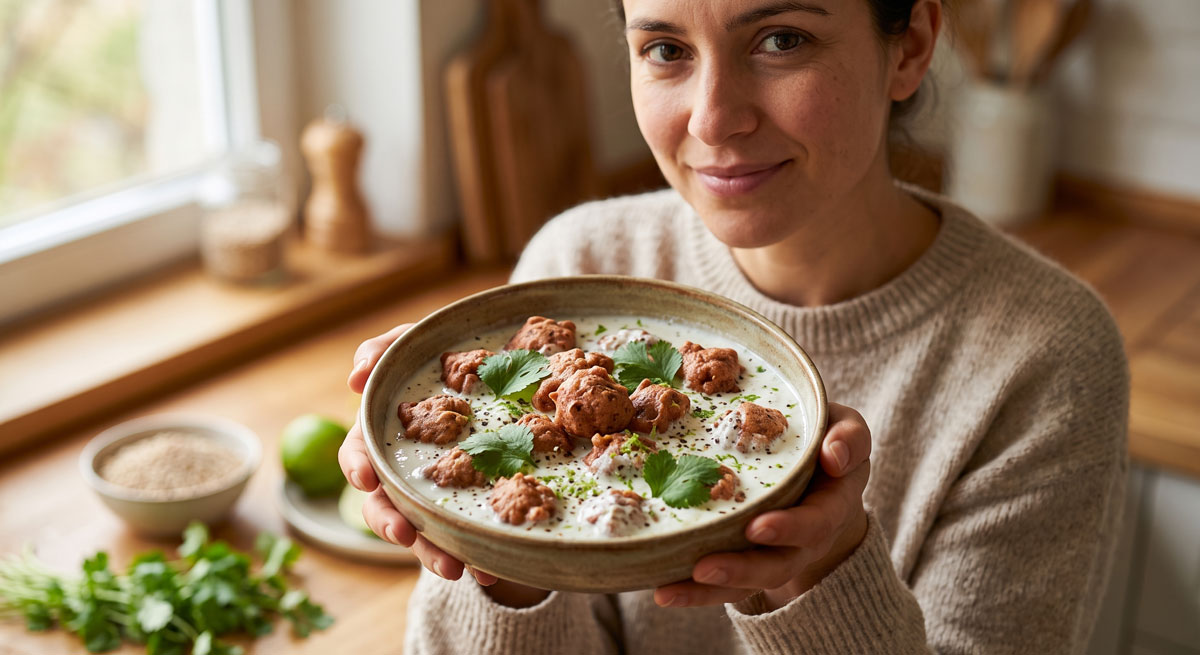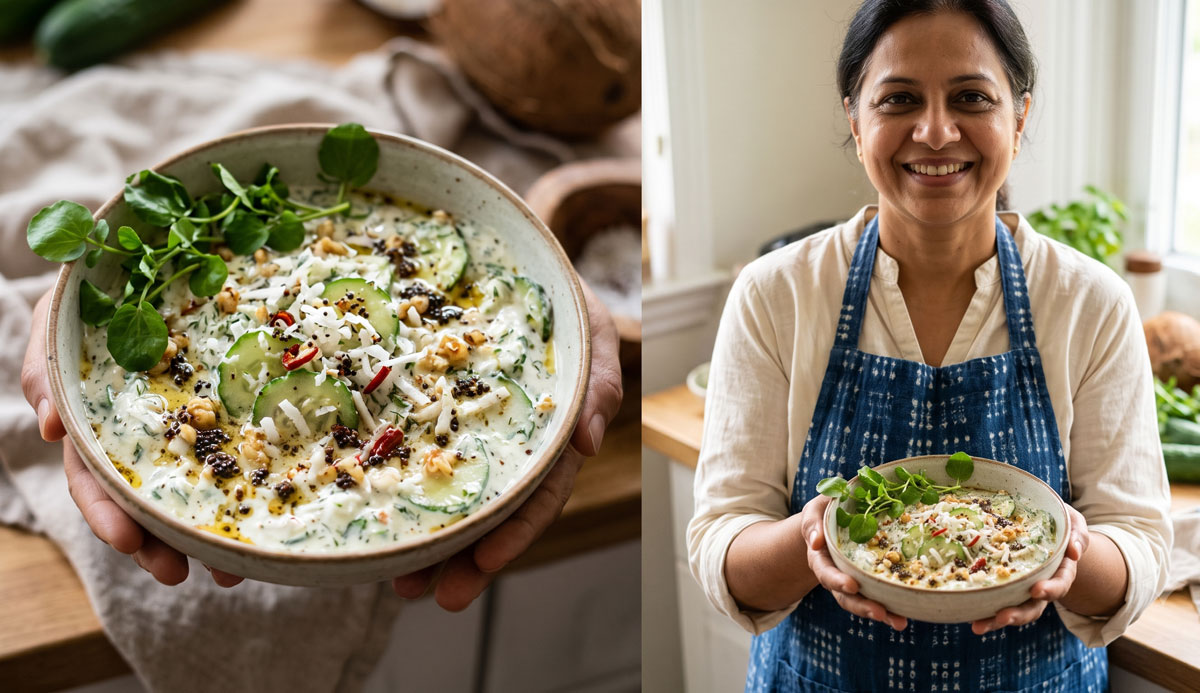

While you might not immediately associate beets with Indian cuisine, they are beloved across the country. This particular recipe for a Keralan beet and coconut pachadi is a testament to how simple ingredients can create profoundly delicious flavors. It’s a dish I return to constantly for its creamy texture and vibrant taste. The recipe is my treasured memory from an unassuming little restaurant in Kochi called Casa Linda, run by a woman whose smile and heart filled the entire room. This dish is traditionally served as a side with other curries, but I adore it with a simple dal, a cooling cucumber and mint raita, and a scoop of tamarind rice. Please note, you will need a food processor or blender to create the smooth coconut paste.
Ingredients
• Serves 4 as a side
• 1¾ pounds / 800g raw beets
• 2 teaspoons black mustard seeds
• 20 fresh curry leaves
• ⅔ cup / 60g desiccated or fresh grated coconut
• 4 cloves of garlic
• 1-2 Indian green chiles, to taste
• 1½-inch / 4cm piece of ginger, peeled and grated
• 1 teaspoon cumin seeds
• 1½ cups / 360g plain Greek yogurt
• 2 tablespoons / 30ml canola oil or coconut oil
• 1 teaspoon salt
Instructions
1. Trim the beets and place them in a pan of cold water. Set over a medium heat, bring to a boil, and cook until tender, which is when a knife slides easily through them. This can take 40-60 minutes depending on their size.
2. While the beets cook, prepare the coconut paste. In a food processor or blender, combine half the mustard seeds (1 tsp), half the curry leaves (10), all the coconut, garlic, green chiles, ginger, cumin seeds, and half of the Greek yogurt (¾ cup / 180g).
3. Blend the mixture into a fine, smooth paste. Add the remaining yogurt and blend briefly to combine. Scrape the paste into a bowl and set it aside.
4. Once the beets are cooked, drain them and let them cool until you can handle them. Slip the skins off using your fingers or the back of a knife.
5. Cut the peeled beets in half and then into wedges, about ½–¾ inch thick at the widest part.
6. In a large lidded frying pan or kadai, heat the oil over medium-high heat. Once hot, add the remaining mustard seeds and curry leaves. When they begin to crackle and pop, add the beet wedges.
7. Stir-fry the beets for 2 minutes, then add the coconut-yogurt paste and the salt. Stir everything together until the beets are well-coated.
8. Place the lid on the pan, reduce the heat to low, and let it cook for 8 minutes to allow the flavors to meld. Remove from the heat and serve warm.
Nutritional Information
• Serving Size: 1 serving
• Calories: 250kcal
• Carbohydrates: 20g
• Protein: 8g
• Fat: 15g
• Sodium: 650mg
• Fiber: 6g
• Sugar: 12g (Note: Values are estimates and can vary based on .)
Pro Tips
• Wear rubber gloves when peeling the cooked beets to avoid staining your hands pink.
• For a richer, creamier curry that’s less likely to split, use full-fat Greek yogurt.
• To save time, you can use pre-cooked, vacuum-packed beets. Skip the boiling step and move straight to chopping.
• Freshly grated coconut will provide the most authentic flavor, but good-quality desiccated coconut works perfectly well.
FAQ
Q: Can I make this beet pachadi vegan
A: Yes, you can easily make this recipe vegan. Simply substitute the Greek yogurt with a thick, unsweetened plant-based yogurt, such as coconut or soy yogurt. Coconut yogurt would work particularly well, complementing the other coconut flavors in the dish. Also, ensure you use coconut oil or another vegetable oil instead of ghee.
Q: Is this beet pachadi a good source of protein
A: This dish provides about 8g of protein per serving, primarily from the Greek yogurt. To create a more substantial and protein-rich vegetarian meal, serve it alongside a lentil curry (dal), chickpeas, or quinoa, as suggested in the recipe description.
Q: How should I store leftover beet pachadi
A: Store any leftovers in an airtight container in the refrigerator for up to 3 days. The flavors can meld and taste even better the next day. Please note that because this dish has a yogurt base, it does not freeze well as the texture may become grainy upon thawing.
Q: Can I use pre-cooked beets for this recipe
A: Absolutely. To save time, you can use pre-cooked, vacuum-packed beets. This allows you to skip the 40-60 minute boiling step. Simply drain them, peel if necessary, chop them into wedges, and proceed directly to step 6 of the instructions.