
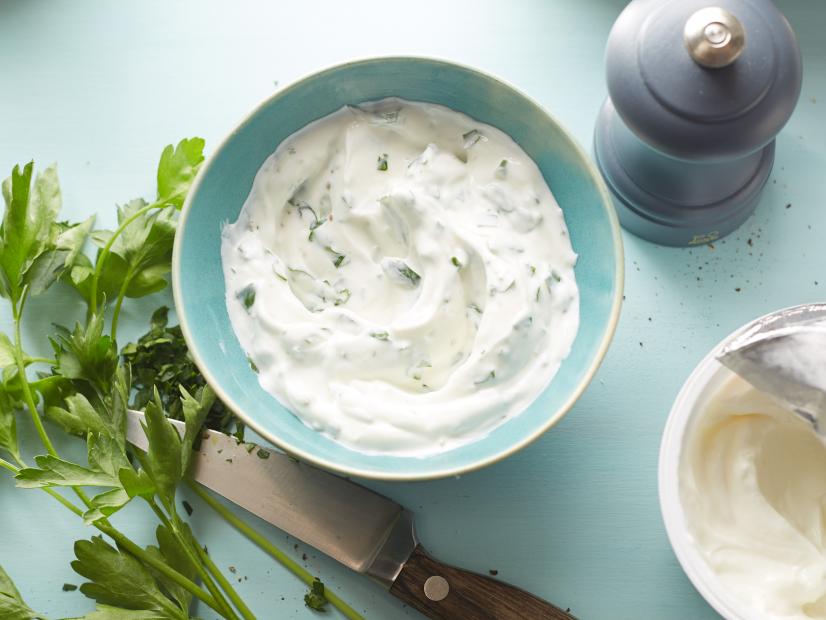
Have you ever wanted to make your own cheese at home? It sounds complicated, but I’m about to let you in on a little secret: you can make the most incredible, creamy, and tangy cheese spread with just one main ingredient – yogurt! This Middle Eastern staple, known as Labneh, is a game-changer. By simply straining yogurt, you create a luxurious spread that can be customized to your heart’s content. My version is packed with fresh garlic and herbs, making it the perfect vibrant topping for crusty bread or a standout addition to any mezze platter. It’s a simple process of patience that yields a truly gourmet result.
Ingredients
• 2 cups / 480g plain low-fat yogurt (or full-fat for extra creaminess)
• 1 clove garlic, finely minced
• 1 tablespoon / 15ml extra virgin olive oil
• ½ teaspoon fresh thyme, minced (or ¼ teaspoon dried)
• 1 tablespoon fresh basil, minced (or ¼ teaspoon dried)
• ½ teaspoon fresh oregano, minced (or ¼ teaspoon dried)
• Sea salt, to taste
• Freshly ground black pepper, to taste
Instructions
1. Prepare the Yogurt: Line a fine-mesh strainer with a layer of cheesecloth and set it over a deep bowl, ensuring there’s space for liquid to collect. Spoon the yogurt into the center of the cheesecloth. Cover the setup loosely and place it in the refrigerator to drain for at least 4 hours for a spreadable consistency, or up to 12 hours (or overnight) for a firmer, cream cheese-like texture.2. Mix and Chill: Once the yogurt has reached your desired consistency, discard the collected liquid (whey) or save it for another use. Transfer the thickened yogurt cheese to a small bowl. Add the minced garlic, olive oil, all herbs, salt, and pepper. Stir until everything is well combined. Cover the bowl and chill for at least 2 hours to allow the flavors to meld together beautifully. Serve chilled as a spread on crackers, toasted bread, or as a dip for fresh vegetables.
Nutritional Information
• Serving Size: 2 tablespoons
• Calories: 45 kcal
• Protein: 4g
• Fat: 2g
• Carbohydrates: 3g
• Sodium: 150mg
• (Note: Values are approximate and can vary based on used.)
Pro Tips
• For an ultra-rich and creamy Labneh, use full-fat Greek yogurt. It has a lower water content to begin with, so it will thicken up faster and have a more decadent texture.
• Don’t discard the whey! The liquid that drains from the yogurt is packed with protein and probiotics. Use it in smoothies, to cook grains like oatmeal or rice, or add it to soups for a nutritional boost.
• To create elegant Labneh balls, drain the yogurt for a full 24 hours until it’s very firm. Roll the cheese into small, bite-sized balls with lightly oiled hands and store them submerged in a jar of good quality olive oil with herbs or chili flakes.
• Get creative with your mix-ins! Instead of herbs, try stirring in finely chopped sun-dried tomatoes, Kalamata olives, or a sprinkle of za’atar and lemon zest for a different flavor profile.
FAQ
Q: Can I make this yogurt cheese recipe vegan
A: Absolutely! To create a delicious plant-based version of this cheese spread, simply substitute the dairy yogurt with a plain, unsweetened vegan yogurt. Thick-style coconut, soy, or cashew yogurts work wonderfully and will strain just like dairy yogurt to create a creamy, tangy base for your herbs and garlic.
Q: Is this homemade Labneh a good source of vegetarian protein
A: Yes, this yogurt cheese is an excellent source of vegetarian protein. The straining process concentrates the protein from the yogurt, making each serving a protein-rich addition to your meal. A single 2-tablespoon serving provides approximately 4 grams of protein, making it a great way to boost your intake on toast, with veggies, or on a mezze platter.
Q: How long can I store this vegetarian cheese spread
A: When stored properly in an airtight container in the refrigerator, your homemade garlic and herb Labneh will stay fresh for up to one week. If you follow the pro tip to make Labneh balls and submerge them in olive oil, they can last for up to two weeks in the fridge, with the flavor deepening over time.
Q: What are some vegetarian ways to use the leftover whey
A: The leftover whey is a fantastic, nutritious ingredient in a vegetarian kitchen. Don’t throw it out! Use it as the liquid for cooking grains like rice or oatmeal, add it to smoothies for a protein and probiotic boost, or use it in place of water in bread dough or soup stocks for added flavor and nutrients.