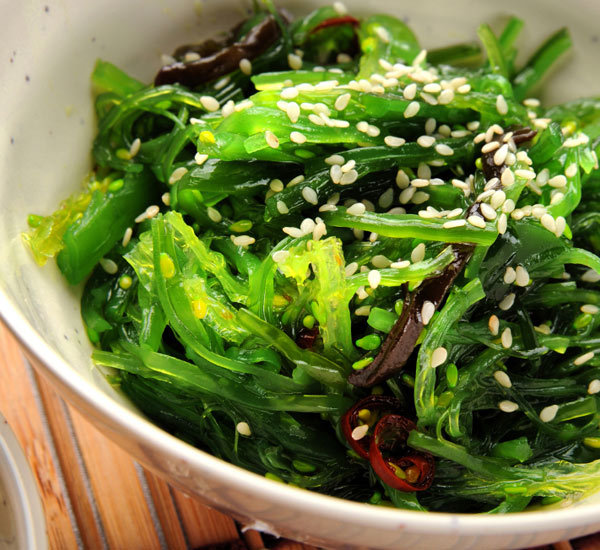
Craving that bright, savory, and utterly refreshing seaweed salad you get at your favorite Japanese restaurant? You’re in luck! This incredibly simple recipe brings all that umami-rich goodness straight to your kitchen in just 20 minutes. Forget the pricey takeout version; making your own wakame salad is not only budget-friendly but also allows you to customize the flavors and textures to your heart’s content. Using a simple mix of dried seaweed and a zesty, tangy dressing, this dish is a powerhouse of nutrients and flavor. It’s the perfect light lunch, vibrant side dish, or healthy appetizer to awaken your palate!
Ingredients
• For the Salad:
• 1 ounce / 28g assorted dried seaweeds or wakame
• 1/4 cup / 40g minced shallot, scallion, or red onion
• 1 tablespoon toasted sesame seeds, for garnishFor the Umami Dressing:
• 2 tablespoons soy sauce or tamari
• 1 tablespoon rice vinegar
• 1 tablespoon mirin or 1 teaspoon sugar
• 1/2 tablespoon dark sesame oil
• Pinch of cayenne pepper
• Salt, to taste
Instructions
1. Rehydrate the Seaweed: Place the dried seaweed in a large bowl and cover it with plenty of cold water, at least 10 times its volume. Let it soak until tender, which usually takes about 5-10 minutes. Drain the seaweed well and gently squeeze out any excess water. Pick through to remove any tough pieces, then chop it into bite-sized lengths. Using kitchen scissors can make this step easier.
2. Prepare the Dressing: In a small bowl, whisk together the minced shallot, soy sauce, rice vinegar, mirin, dark sesame oil, and cayenne pepper.
3. Combine and Serve: Add the rehydrated seaweed to a serving bowl. Pour the dressing over the top and toss everything together until the seaweed is evenly coated. Taste and adjust the seasoning, adding a pinch of salt if needed. Garnish with toasted sesame seeds and serve immediately.
Nutritional Information
• Serving Size: 1 serving
• Calories: 75 kcal
• Carbohydrates: 8g
• Protein: 2g
• Fat: 4g
• Sodium: 550mg
• Iodine: High
• Disclaimer: is an estimate and may vary based on used.
Pro Tips
• Pro-Tips & Variations
• Don’t over-soak the seaweed, as it can become slimy. Check for tenderness after 5 minutes and drain as soon as it’s ready.
• For extra crunch, add thinly sliced cucumber or daikon radish. To prevent a watery salad, toss the slices with a pinch of salt, let them sit for 10 minutes, then squeeze out the excess liquid before adding.
• Add a boost of sweetness and texture with 1/2 cup of finely chopped Asian pear or a crisp Granny Smith apple.
• For a nuttier flavor and added protein, toss in 1/2 cup of chopped walnuts, almonds, or cashews.
FAQ
Q: Is this seaweed salad recipe vegan
A: Yes, this wakame salad is naturally vegan! All the ingredients listed, including soy sauce, rice vinegar, mirin, and sesame oil, are plant-based. It’s a perfect, refreshing option for a fully vegan meal.
Q: How can I add more protein to this vegetarian seaweed salad
A: To boost the protein content, you can add 1/2 cup of shelled edamame, cubed firm tofu, or the suggested chopped nuts like almonds or walnuts. These additions will make the salad a more substantial and filling vegetarian meal.
Q: Can I make this wakame salad gluten-free
A: Absolutely! To make this recipe gluten-free, simply ensure you use tamari instead of regular soy sauce, as suggested in the ingredients list. All other ingredients are naturally gluten-free.
Q: How long does this vegetarian seaweed salad last in the fridge
A: For the best texture, this seaweed salad is best enjoyed immediately. However, you can store leftovers in an airtight container in the refrigerator for up to 2 days. The seaweed may soften slightly over time.