
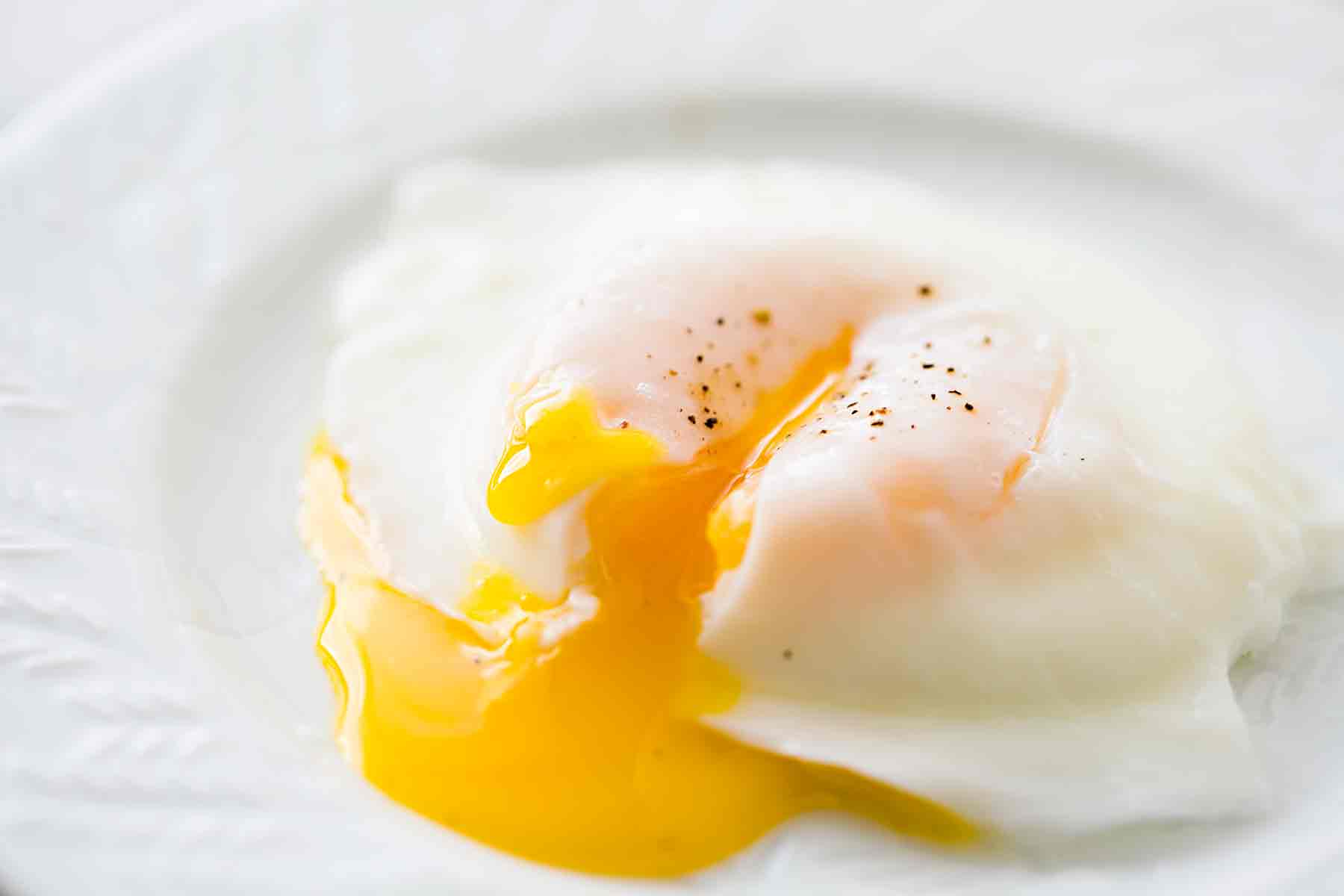
There’s something magical about a perfectly poached egg. That moment you slice into the delicate white and a river of golden, runny yolk flows out is pure food bliss. It seems like a fancy, restaurant-only technique, but I’m here to show you just how easy it is to master at home. Forget the wispy, messy whites and embrace the simple elegance of a beautifully cooked poached egg. This guide will give you the confidence to make them perfectly, every single time.
Ingredients
• MAKES: 2 servings
• TIME: 10 minutes
• 1 teaspoon salt
• 1 teaspoon white vinegar
• 2 large, fresh eggs
• Water for poaching (about 1 inch deep)
Instructions
1. Prepare the poaching liquid. Bring about an inch of water to a boil in a small, deep skillet. Add the salt and vinegar, then lower the heat until the water is at a gentle simmer, with only a few small bubbles breaking the surface.
2. Ready the eggs. One at a time, crack each egg into a separate small bowl or ramekin. This allows you to gently slide them into the water without breaking the yolk.
3. Cook the eggs. Carefully slip the eggs into the simmering water, one by one. Cook for 3 to 5 minutes, or until the whites are completely set but the yolk is still soft and runny.
4. Drain and serve. Using a slotted spoon, gently lift each egg out of the water. Allow it to drain for a moment before serving immediately over toast, greens, or your favorite base.
Nutritional Information
• (per serving)
• Calories: 75 kcal
• Protein: 6 g
• Fat: 5 g
• Carbohydrates: 1 g
• Sodium: 360 mg
Pro Tips
• Pro-Tips for Poached Eggs
• For a picture-perfect look, you can trim any ragged egg white edges with kitchen scissors after cooking.
• To make a large batch, hold cooked eggs in a separate pot of warm water (between 145°F and 150°F) until you are ready to serve.
• Always use the freshest eggs possible. They have firmer whites that hold their shape much better during poaching.
• Poach eggs directly in flavorful liquids like tomato sauce, vegetable broth, or even cream for an all-in-one dish.
FAQ
Q: Are poached eggs a good source of protein for a vegetarian diet
A: Yes, poached eggs are an excellent source of high-quality protein for vegetarians. A single large egg provides about 6 grams of protein, making it a fantastic and simple way to boost the protein content of meals like avocado toast, salads, or grain bowls.
Q: What are some vegetarian ways to serve poached eggs
A: Poached eggs are incredibly versatile in vegetarian cooking. Serve them on top of avocado toast, sautéed spinach and mushrooms, a bowl of savory oatmeal, or nestled into a spicy tomato sauce for a simple shakshuka. They also make a great topping for roasted asparagus or a hearty lentil salad.
Q: Can I make poached eggs without vinegar
A: Absolutely. While vinegar helps the egg whites set more quickly and neatly, it’s not essential. The most important factor is using very fresh eggs, as their whites are naturally firmer. You can also create a gentle whirlpool in the water just before slipping the egg in to help the white wrap around the yolk.
Q: How can I meal prep poached eggs for vegetarian lunches
A: You can poach eggs ahead of time for quick vegetarian meals. After poaching, immediately transfer them to an ice bath to stop the cooking process. Store the cooled eggs in a container of cold water in the refrigerator for up to 2 days. To reheat, simply place them in a bowl of hot (not boiling) water for about a minute until warmed through.