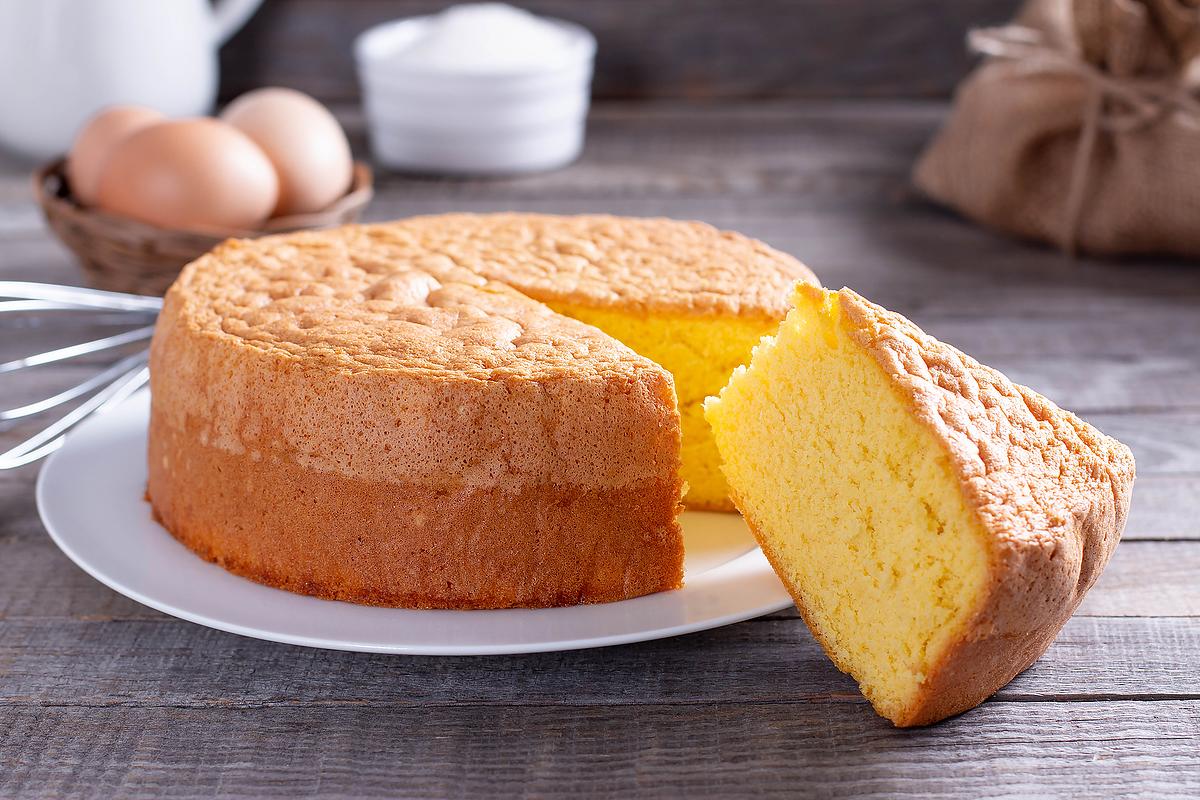
There’s a certain magic to a classic sponge cake. Deceptively simple, its beauty lies in its incredible lightness and airy, cloud-like texture. This isn’t a dense, heavy cake; it’s a delicate, versatile masterpiece that serves as the perfect canvas for your dessert dreams. Whether you’re building a magnificent torte, layering a trifle, or simply dusting it with powdered sugar for an elegant afternoon treat, this recipe is your key to achieving that perfect, tender crumb. The secret is in the eggs, whipped to perfection to create a structure that’s both sturdy and unbelievably light. Let’s bake a little bit of heaven!
Ingredients
• 6 large eggs, separated, at room temperature
• 1 cup / 200g granulated sugar
• ¼ cup / 60ml boiling water
• 1 tablespoon / 15ml fresh lemon juice
• ½ teaspoon / 2.5ml vanilla extract
• 1½ cups / 180g all-purpose flour
• 1½ teaspoons / 6g baking powder
• ¼ teaspoon / 1.5g salt
• 4 tablespoons / 57g unsalted butter, melted and cooled
Instructions
1. Preheat your oven to 325°F / 165°C. Generously butter and flour a 9- or 10-inch springform pan and set aside.
2. In a large bowl, use an electric mixer to beat the egg yolks until they are creamy and light yellow. Gradually add the sugar while continuing to beat. Continue for about 10 minutes, until the mixture is pale, thick, and fluffy.
3. With the mixer on low, carefully beat in the boiling water, lemon juice, and vanilla extract for another minute until just combined.
4. In a separate bowl, sift together the flour and baking powder. Gently fold the sifted dry into the egg yolk mixture in two or three additions, mixing only until no flour streaks remain.
5. In a clean, dry bowl, beat the egg whites with the salt until they form stiff, glossy peaks. Be careful not to overbeat.
6. Gently fold about one-third of the egg whites into the batter to lighten it. Then, carefully fold in the remaining egg whites in two more additions, using as few strokes as possible to maintain the volume.
7. Gently pour the melted and cooled butter over the surface of the batter. Carefully fold it in, again using minimal strokes, just until incorporated. Avoid the milky solids at the bottom of the butter dish.
8. Pour the batter into your prepared springform pan and smooth the top lightly with a spatula.
9. Bake for 40 to 45 minutes. The cake is done when it’s golden brown, has started to pull away from the sides of the pan, and a toothpick inserted into the center comes out clean.
10. Let the cake cool in the pan on a wire rack for 10 minutes before releasing the springform side. Allow it to cool completely on the rack before slicing or decorating.
Nutritional Information
• Approximate values per serving (1 of 12 slices)
• Calories: 225 kcal
• Carbohydrates: 31g
• Protein: 6g
• Fat: 9g
• Sugar: 18g
Pro Tips
• for the Perfect Sponge
• Use room temperature eggs. The whites will whip to a greater volume and the yolks will blend more smoothly, which is essential for a light texture.
• Master the fold. Use a large spatula to gently cut down the middle of the bowl, scrape along the bottom, and bring the batter up and over the top. This incorporates without deflating the airy egg whites.
• Don’t skip the sift. Sifting the flour and baking powder together removes lumps and aerates the mixture, resulting in a finer, more tender crumb.
• No peeking! Avoid opening the oven door for the first 30 minutes of baking. A sudden drop in temperature can cause the delicate cake to collapse.
FAQ
Q: Is this classic sponge cake recipe vegetarian
A: Absolutely. This sponge cake is a lacto-ovo vegetarian recipe. It contains eggs and dairy (butter) but is completely free from any meat, poultry, or fish, making it a perfect dessert for a vegetarian diet.
Q: Can I make this sponge cake without eggs
A: This specific recipe relies heavily on the volume and structure created by whipping eggs, which is essential for its classic light and airy texture. Substituting the eggs is not recommended as it would fundamentally change the cake. For an egg-free version, you would need to find a dedicated vegan sponge cake recipe that uses different leavening agents.
Q: How can I make this vegetarian sponge cake dairy-free
A: Yes, you can easily adapt this recipe to be dairy-free. Simply substitute the unsalted butter with an equal amount of high-quality melted dairy-free butter or a neutral vegetable oil. Don’t forget to grease the pan with a dairy-free alternative as well.
Q: How should I store this vegetarian sponge cake
A: To maintain its freshness, store the cooled sponge cake in an airtight container at room temperature for up to 3 days. For longer storage, you can freeze the unfrosted cake by wrapping it tightly in plastic wrap and then foil for up to 2 months. Thaw at room temperature before decorating and serving.