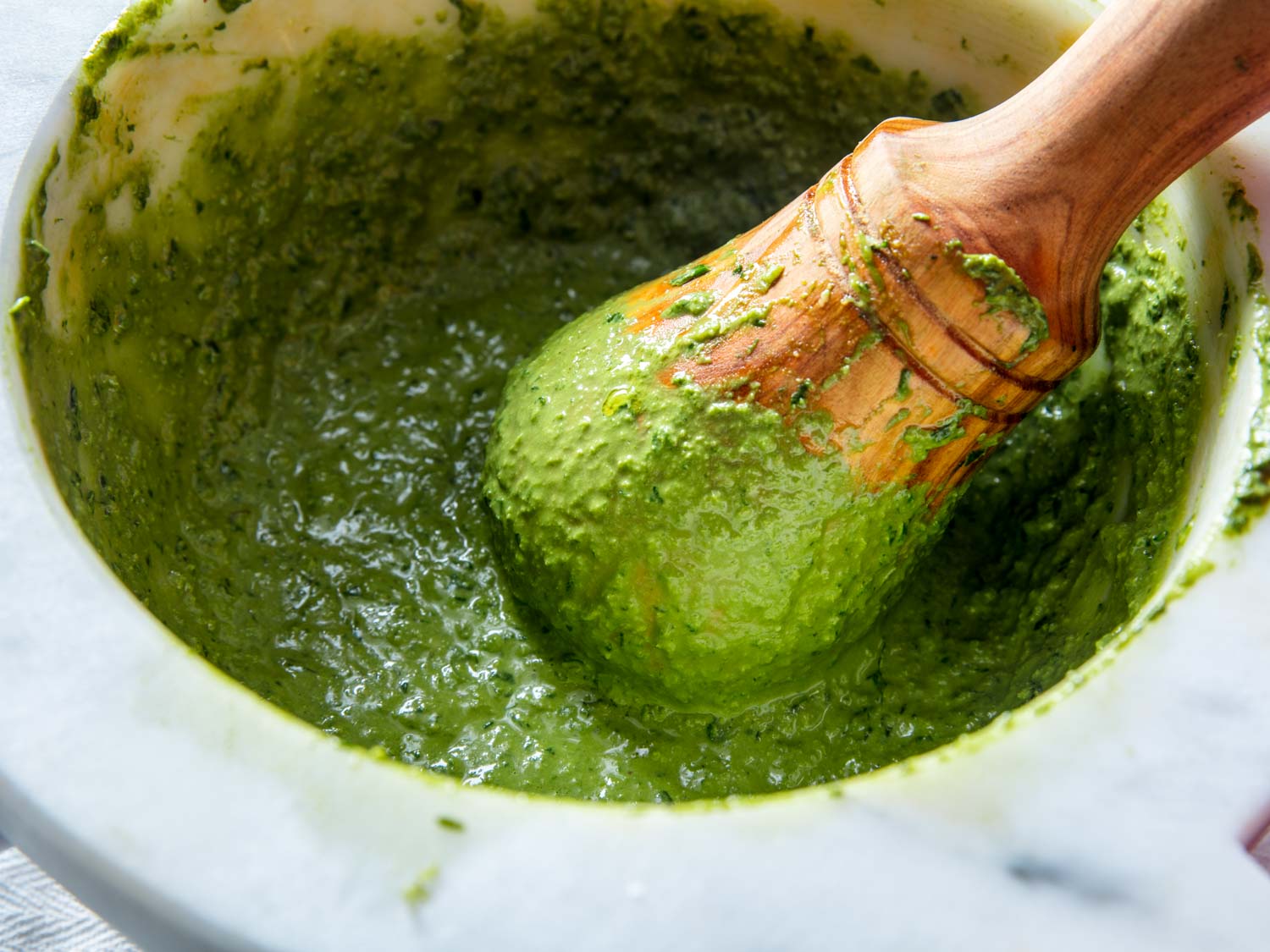
The Secret to the Best Homemade Pesto
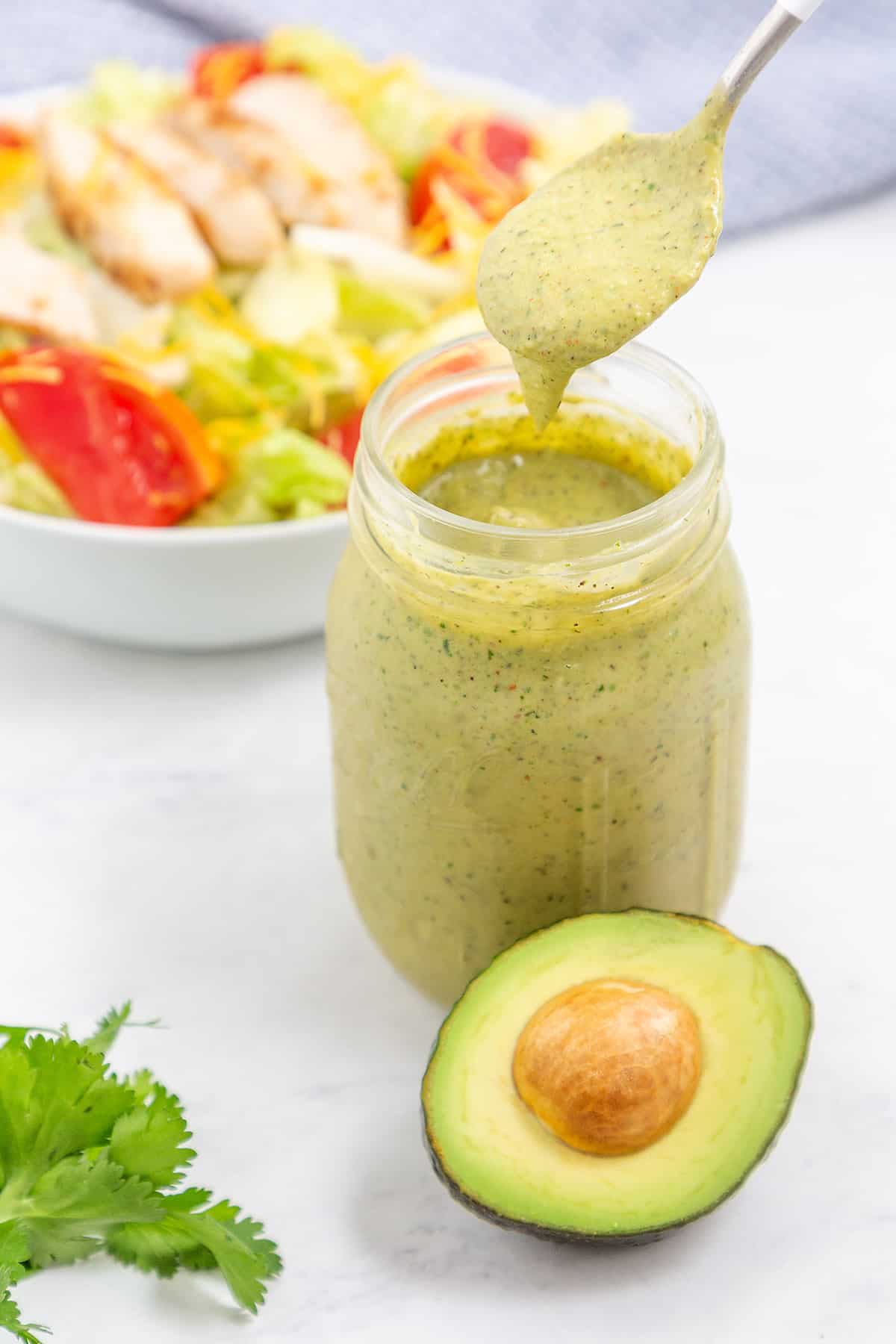
Forget store-bought jars forever! This Italian basil and garlic sauce is a timeless classic, and for good reason. While it’s heavenly tossed with fresh pasta, my absolute favorite way to enjoy it is slathered on a slice of lightly toasted baguette. This recipe skips the traditional mortar and pestle for a quick and easy blender method that delivers incredible results in seconds. You’ll notice we’ve left out the pine nuts—I find they get lost in the mix—but we’ve added a touch of softened butter. Trust me, it’s pure magic, creating the most velvety, luxurious pesto you’ve ever tasted.
Ingredients
• (Makes 1⅓ cups)
• 2 cups / 60g moderately packed fresh basil leaves, stems removed
• ½ cup / 120ml extra virgin olive oil
• 4 cloves garlic
• ½ cup / 50g grated Parmesan cheese
• 2 tbsp / 28g butter, softened
Instructions
1. Place the fresh basil leaves, olive oil, and garlic cloves into the container of a high-speed blender or food processor.2. Blend until the mixture is a smooth purée. You may need to stop the machine and scrape down the sides with a spatula to ensure everything is incorporated.3. Pour the blended basil mixture into a small bowl. Add the grated Parmesan cheese and the softened butter.4. Stir everything together by hand until the cheese and butter are fully combined. This is the secret to a perfectly smooth, non-gummy texture!5. Use immediately, or store in the refrigerator in an airtight container for up to a week.
Nutritional Information
• Nutritional Highlights
• Rich in healthy monounsaturated fats from extra virgin olive oil, which are great for heart health.
• Basil is an excellent source of Vitamin K, essential for bone health.
• Garlic contains powerful antioxidants and compounds that may help support the immune system.
Pro Tips
• When saucing pasta, thin the pesto with a few tablespoons of the hot, starchy pasta water to create a perfectly silky coating.
• To prevent your pesto from browning during storage, pour a thin layer of olive oil over the top before sealing the container. This creates a barrier against air.
• For long-term storage, freeze the pesto *before* adding the cheese and butter. Pour the basil, garlic, and oil purée into ice cube trays. Once frozen, transfer the cubes to a freezer bag for perfectly portioned pesto anytime. Simply thaw and stir in the cheese and butter before serving.
FAQ
Q: Is Parmesan cheese always vegetarian
A: Not always. Traditional Parmigiano-Reggiano uses animal rennet. For a truly vegetarian pesto, look for hard cheeses labeled ‘vegetarian’ that use microbial or vegetable-based rennet, which are commonly available.
Q: Can I make this pesto recipe vegan
A: Yes, you can easily make this pesto vegan. Replace the Parmesan with 3-4 tablespoons of nutritional yeast for a cheesy flavor. For the butter, use a high-quality vegan butter or simply an extra tablespoon of olive oil to maintain the rich, velvety texture.
Q: How can I add protein to a meal with this pesto
A: This pesto is a fantastic base for a protein-rich vegetarian meal. Toss it with chickpea or lentil pasta, mix it into a quinoa salad with white beans, or use it as a sauce for grilled tofu or tempeh.
Q: How do I keep my homemade pesto from turning brown
A: To prevent your pesto from browning due to oxidation, pour a thin layer of olive oil over the top before sealing it in an airtight container. This creates a barrier against the air and keeps it looking vibrant and fresh.