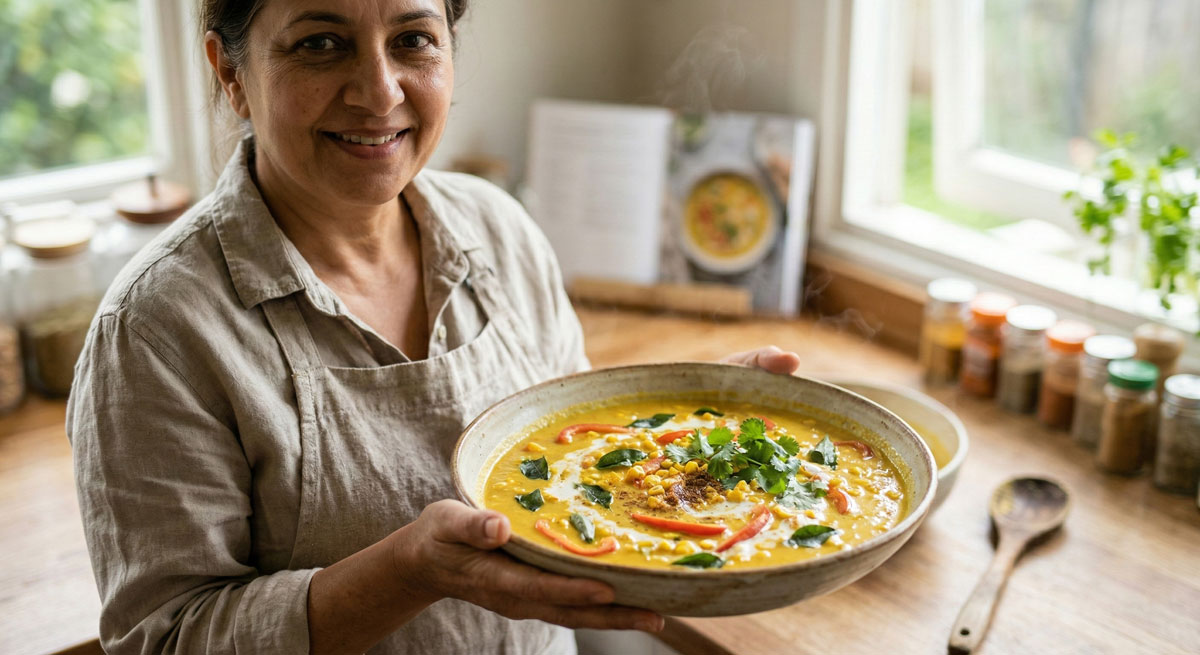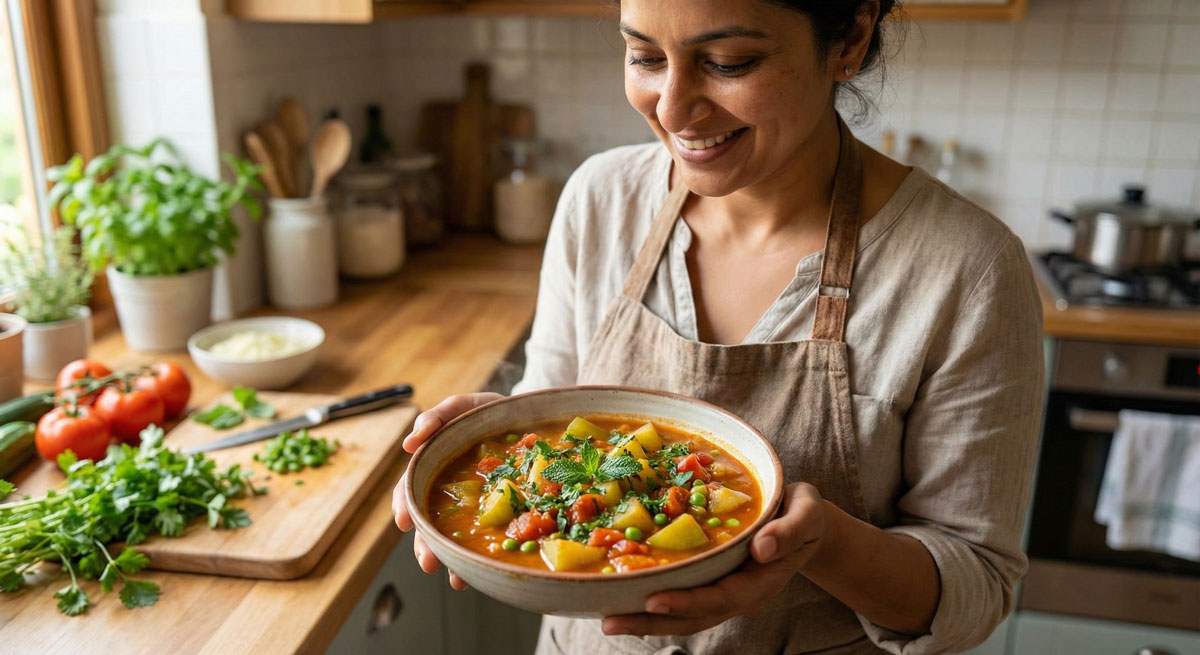
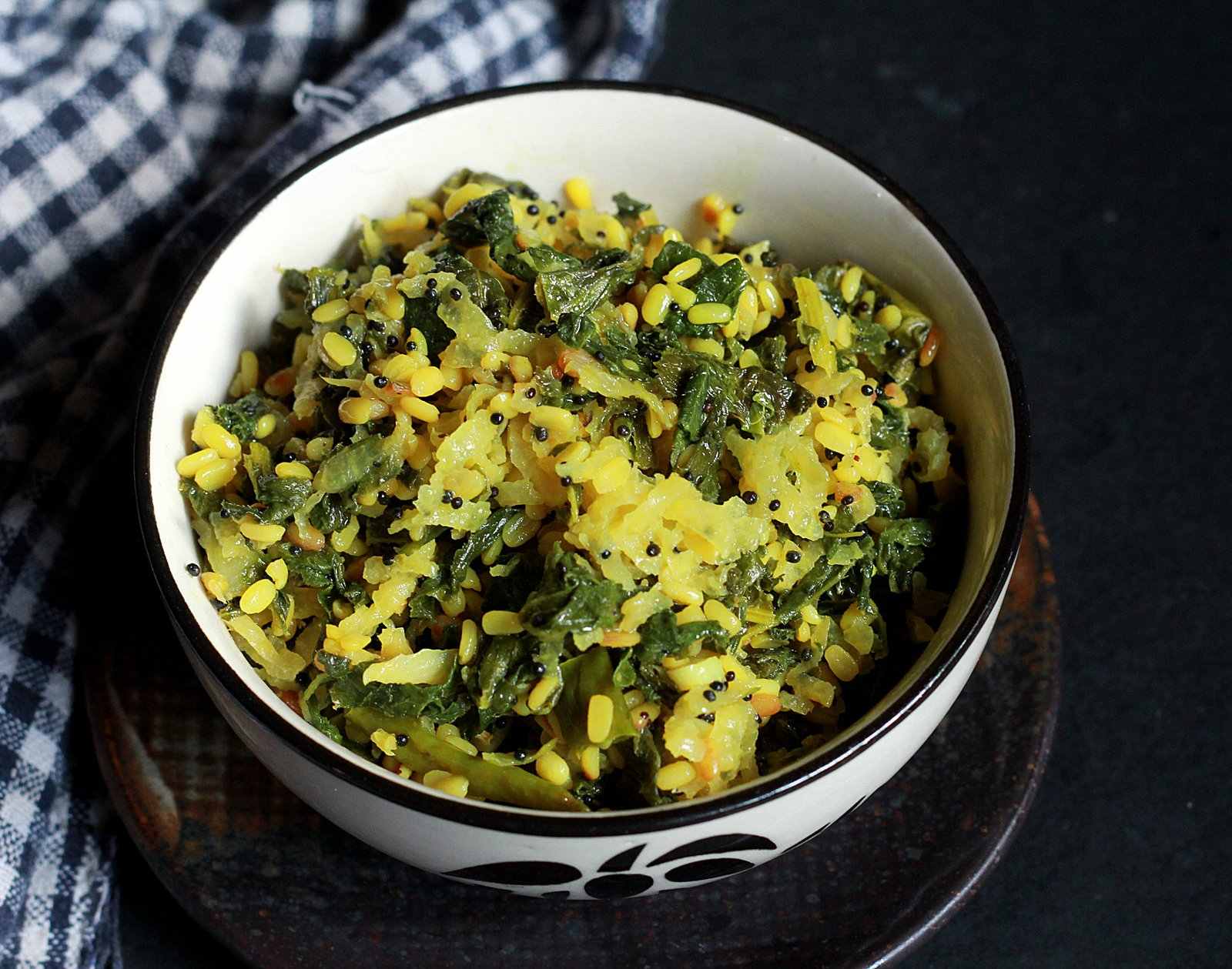
Ready to fall in love with the humble radish? This traditional Bengali Mulo Dal will completely change your perspective! We’re transforming the everyday radish into the star of a creamy, aromatic lentil soup that’s both comforting and surprisingly sophisticated. The sweet earthiness of moong dal pairs beautifully with the subtle peppery bite of mooli (white radish), all brought together by a fragrant tempering of spices. This dal has a lovely, pourable consistency, making it the perfect partner for a fluffy bed of Buttered Steamed Rice and a side of Bengali-style vegetables. Prepare to be amazed!
Ingredients
• ¾ cup / 170 g yellow split moong dal, without skins
• 6¼–7 cups / 1.5–1.75 liters water
• ½ teaspoon / 2 ml turmeric powder
• 1 teaspoon / 5 ml fresh ginger, finely shredded or minced
• 1 teaspoon / 5 ml fresh green chili, seeded and minced, or to taste
• 2 tablespoons / 30 ml ghee or vegetable oil, divided
• 1 cup / 240 ml thinly sliced white radish (mooli) or red radishes
• 1¼ teaspoons / 6 ml salt, or to taste
• 1 tablespoon / 15 ml fresh coriander or parsley, coarsely chopped, divided
• 1 teaspoon / 5 ml cumin seeds
• ¼ teaspoon / 1 ml fenugreek seeds
• ¼ teaspoon / 1 ml black mustard seeds
• 1 tablespoon / 15 ml sugar
• ¼–½ teaspoon / 1–2 ml yellow asafetida powder (hing)
• 6–8 fresh curry leaves
• 1 tablespoon / 15 ml fresh lemon or lime juice
• Note: This amount is for Cobra brand asafetida. If using another brand, reduce the amount by three-fourths.
Instructions
1. First, sort through the moong dal to remove any debris. Rinse it under cool water until the water runs clear, then drain well.
2. In a heavy-bottomed 3-quart/liter saucepan, combine the drained dal, water, turmeric, ginger, green chili, and a small dab of the ghee or oil. Bring to a rolling boil over high heat, stirring occasionally.
3. Reduce the heat to low, cover the pot with a tight-fitting lid, and let it simmer gently for 30 minutes.
4. Add the sliced radishes to the pot, stir, and replace the lid. Continue to cook for another 30–45 minutes, or until the dal is completely soft and has broken down into a creamy purée.
5. Stir in the salt and half of your chopped coriander or parsley. Remove from heat and set aside.
6. Now, prepare the tempering (tarka). In a small frying pan, heat the remaining ghee or oil over medium-high heat. Add the cumin, fenugreek, and mustard seeds.
7. Once the mustard seeds begin to pop, stir in the sugar and cook until it caramelizes to a rich, reddish-brown color. Be watchful to prevent burning.
8. Quickly stir in the asafetida powder and curry leaves—they will sizzle and become fragrant in just a second or two. Immediately add a large spoonful of the cooked dal to the pan to stop the spices from cooking further.
9. Pour the entire contents of the tempering pan back into the pot of dal. Cover immediately and let the flavors infuse for 1-2 minutes.
10. Just before serving, stir in the remaining fresh herbs and the lemon or lime juice. Serve hot.
Nutritional Information
• Nutritional Highlights
• Excellent source of plant-based protein and dietary fiber, promoting satiety and digestive health.
• Rich in essential minerals like iron, potassium, and magnesium.
• Packed with folate (Vitamin B9), which is crucial for cell growth and metabolism.
• Naturally gluten-free and can be made vegan by using vegetable oil instead of ghee.
Pro Tips
• Pro-Tips for Perfect Mulo Dal
• For the most authentic flavor, seek out mooli (daikon radish) at an Asian or Indian market. If unavailable, red radishes work well but offer a milder, slightly different peppery note.
• Control the consistency of your dal by adjusting the water. For a thicker, stew-like dal, start with the lower amount of water and add more as needed. For a thinner soup, use the higher amount.
• The tempering, or tarka, happens very quickly. Have all your spices measured and ready by the stove before you start to avoid burning them, which can make the dal bitter.
• Don’t skip the final squeeze of lemon or lime juice. The acidity brightens all the flavors and cuts through the richness of the dal, making it taste fresh and vibrant.
FAQ
Q: Can I make this Bengali Mulo Dal vegan
A: Absolutely! This recipe is easily made vegan. Simply substitute the ghee with a neutral vegetable oil, such as sunflower or canola oil, for both cooking the dal and preparing the tempering (tarka). The flavor will be just as delicious.
Q: Is this radish dal a good source of vegetarian protein
A: Yes, it’s an excellent source of plant-based protein. The star ingredient, moong dal (yellow split lentils), is packed with protein and dietary fiber, making this a nutritious and satisfying meal that will keep you full and energized.
Q: What if I can’t find white radish or mooli
A: No problem! While mooli (daikon radish) provides the most authentic flavor, you can easily substitute it with common red radishes. They will lend a slightly milder peppery note to the dal. You could also try using turnips for a different but equally delicious earthy flavor.
Q: How should I store leftover Mulo Dal
A: You can store leftover Mulo Dal in an airtight container in the refrigerator for up to 3-4 days. The dal will thicken upon cooling. When reheating on the stovetop or in the microwave, you may need to add a splash of water to bring it back to your desired consistency.