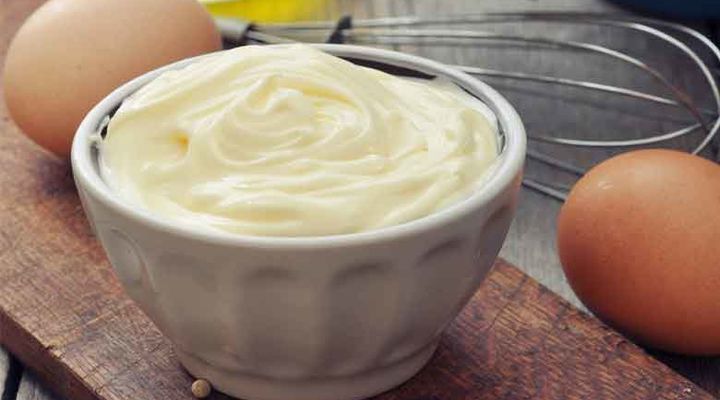
Ever find yourself reaching for a jar of mayonnaise, only to find it empty? Or maybe you’re just tired of the bland, store-bought stuff. Well, get ready to be amazed! Making your own mayonnaise from scratch is not only incredibly simple but the result is a luxuriously creamy, flavorful spread that will elevate everything from sandwiches to salads. Forget whisking by hand for ages; this foolproof recipe uses a blender or food processor to do all the hard work. In just a few minutes, you’ll transform a handful of simple ingredients into the best mayo you’ve ever tasted. Let’s get blending!
Ingredients
• 1 large egg, at room temperature
• ½ tsp / 2.5 g ground mustard
• ½ tsp / 3 g salt
• 1 dash cayenne pepper
• 1 cup / 240 ml oil (a neutral oil like canola or a 50/50 mix of neutral oil and light olive oil works best)
• 2 tbsp / 30 ml fresh lemon juice
Instructions
1. Combine the base. In the container of your blender or food processor, add the room temperature egg, ground mustard, salt, and cayenne pepper. Blend for about 30-60 seconds until combined and slightly frothy.
2. Begin the emulsion. With the machine running on low, begin adding the oil EXTREMELY slowly. Start with just a few drops at a time, then move to a very thin, steady stream. This is the most critical step for creating a stable emulsion. Continue until you’ve added about half of the oil.
3. Add acid and finish. Once the mixture has thickened noticeably, pour in the lemon juice and blend to combine. With the machine still running, continue to slowly stream in the remaining oil until the mayonnaise is thick, creamy, and glossy. Scrape down the sides as needed.
4. Store. Transfer the mayonnaise to an airtight container or jar and store it in the refrigerator. It will keep for up to one week.
Nutritional Information
• Serving Size: 1 tablespoon
• Calories: 125 kcal
• Fat: 14g
• Sodium: 75mg
• Protein
• Note: These are approximate values and can vary based on the specific used.
Pro Tips
• Use room temperature . A cold egg is the number one reason for mayonnaise separating or “breaking.” Let your egg sit on the counter for 30 minutes before you begin.
• Fix a broken mayo. If your mayonnaise separates, don’t throw it out! In a clean bowl, whisk a fresh egg yolk with a teaspoon of water. Then, very slowly, whisk the broken mayonnaise mixture into the yolk, one teaspoon at a time, until it re-emulsifies.
• Drizzle the oil slowly. We can’t stress this enough! Adding the oil too quickly, especially at the beginning, will prevent the mixture from emulsifying. A slow, thin stream is the key to success.
• Customize your flavor. Use this recipe as a base! Add a clove of roasted garlic for a quick aioli, fresh herbs like dill or chives, or a pinch of smoked paprika for a different twist.
FAQ
Q: Is it safe to eat the raw egg in this mayonnaise
A: This recipe uses a raw egg, so it’s crucial to use the freshest, highest-quality eggs you can find. For added safety, consider using pasteurized eggs, which are available in most supermarkets and have been gently heated to eliminate potential bacteria.
Q: Can I make this mayonnaise vegan
A: This specific recipe relies on the unique emulsifying properties of an egg yolk and cannot be made vegan with a simple substitution. For a plant-based version, you would need a different recipe that uses an ingredient like aquafaba (chickpea brine) or soy milk as the emulsifying base.
Q: What is the best vegetarian oil for this mayonnaise
A: A neutral-flavored oil is best to let the creamy texture shine. We recommend vegetarian-friendly oils like canola, grapeseed, or avocado oil. You can also use a 50/50 blend of a neutral oil and a light olive oil, but avoid strong extra-virgin olive oil as its flavor can be overpowering.
Q: How long does homemade vegetarian mayonnaise last
A: Because this mayonnaise is made with a fresh egg and contains no artificial preservatives, it has a shorter shelf life than store-bought versions. Store it in an airtight jar in the refrigerator and enjoy it within one week for the best quality and safety.