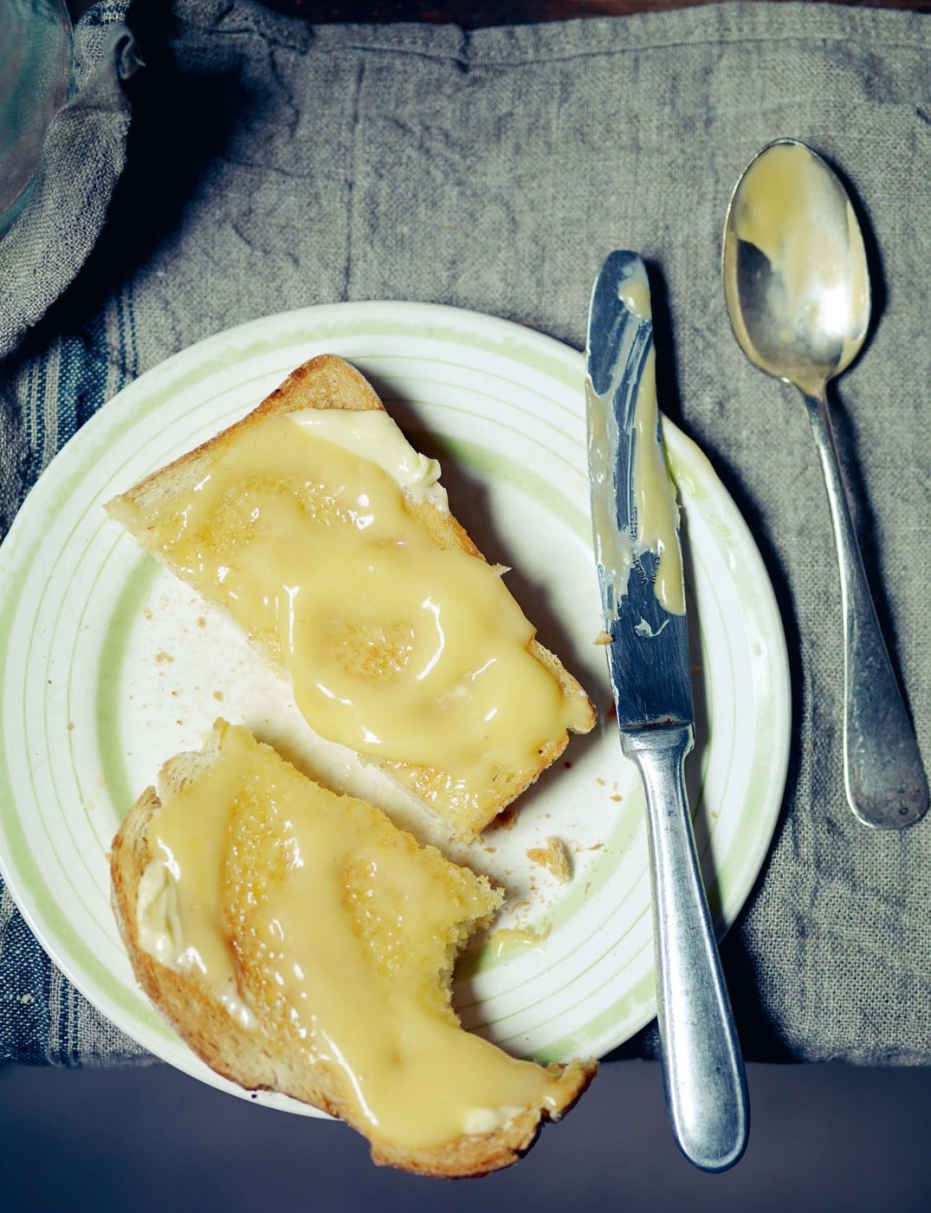
There’s nothing quite like the bright, zesty tang of homemade lemon curd to awaken the senses! This recipe creates a beautifully smooth, rich, and intensely flavourful spread that’s worlds away from store-bought versions. It’s incredibly versatile – spread it lavishly on hot buttered toast, dollop it onto warm scones (it’s divine with our White Chocolate, Apricot, and Coconut Scones!), or use it as a filling for tarts and cakes. Plus, it bottles beautifully, making it a thoughtful and delicious handmade gift that can be prepared well in advance.
Ingredients
• Finely grated zest and juice of 5 unwaxed lemons
• 5 large eggs, lightly beaten
• 175g / ¾ cup unsalted butter, chopped
• 375g / 1 ¾ cups granulated sugar
Instructions
1. Combine the lemon zest, lemon juice, beaten eggs, chopped butter, and sugar in a large heatproof bowl.
2. Create a bain-marie by placing the bowl over a saucepan that is one-third full of gently simmering water. Ensure the bottom of the bowl does not touch the water.
3. Keep the heat low and whisk continuously as the butter melts to fully incorporate it. Once combined, reduce whisking to every 10 minutes, using a spatula to scrape down the sides of the bowl to prevent the mixture from overcooking.
4. Cook for 45 minutes to 1 hour, or until the curd has thickened enough to coat the back of a spoon. To test if it’s ready, place a small amount on a chilled plate; it should hold its shape.
5. Pass the finished curd through a fine-mesh sieve to remove the zest and any small lumps, ensuring a perfectly smooth texture.
6. Immediately pour the hot curd into hot, sterilised jam jars. Allow to cool completely before sealing and refrigerating. The curd will keep for up to 1 month in the fridge.
Nutritional Information
• Serving Size: 2 tbsp
• Calories: 125 kcal
• Fat: 7g
• Carbohydrates: 15g
• Sugar: 15g
• Protein: 2g
Pro Tips
• Avoid scrambling the eggs by keeping the heat low and slow; do not let the water in the bain-marie boil.
• For an ultra-smooth curd, always strain it through a fine-mesh sieve before jarring.
• Experiment with other citrus fruits! This recipe works wonderfully with limes, grapefruits, or even passion fruit for an exotic twist.
• Use unwaxed, room-temperature lemons to yield the maximum amount of juice and the best flavour.
FAQ
Q: Is this lemon curd recipe vegetarian
A: Yes, this lemon curd recipe is 100% vegetarian. It is a lacto-ovo-vegetarian recipe as it contains eggs and butter but no meat, poultry, fish, or gelatin.
Q: Can I make this lemon curd vegan
A: This specific recipe relies heavily on eggs and butter for its texture. To make a vegan version, you would need to use a different recipe that substitutes eggs with a cornstarch or arrowroot slurry for thickening and uses a high-quality plant-based butter block instead of dairy butter.
Q: Why are unwaxed lemons recommended for a vegetarian recipe
A: Unwaxed lemons are recommended to ensure the zest is pure and free from coatings. Some waxes applied to citrus fruits can contain shellac, which is derived from insects and therefore not strictly vegetarian or vegan. Using unwaxed lemons guarantees a completely plant-derived flavour.
Q: How long does this vegetarian lemon curd last
A: When stored correctly in sterilised, sealed jars in the refrigerator, this homemade vegetarian lemon curd will keep for up to one month. The high sugar and acid content act as natural preservatives for this egg-based curd.