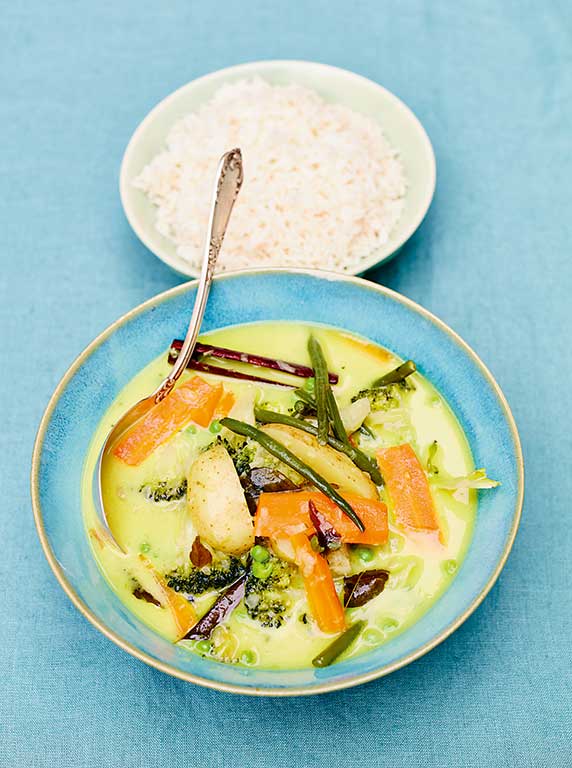
A Taste of Kerala, From Your Local Market
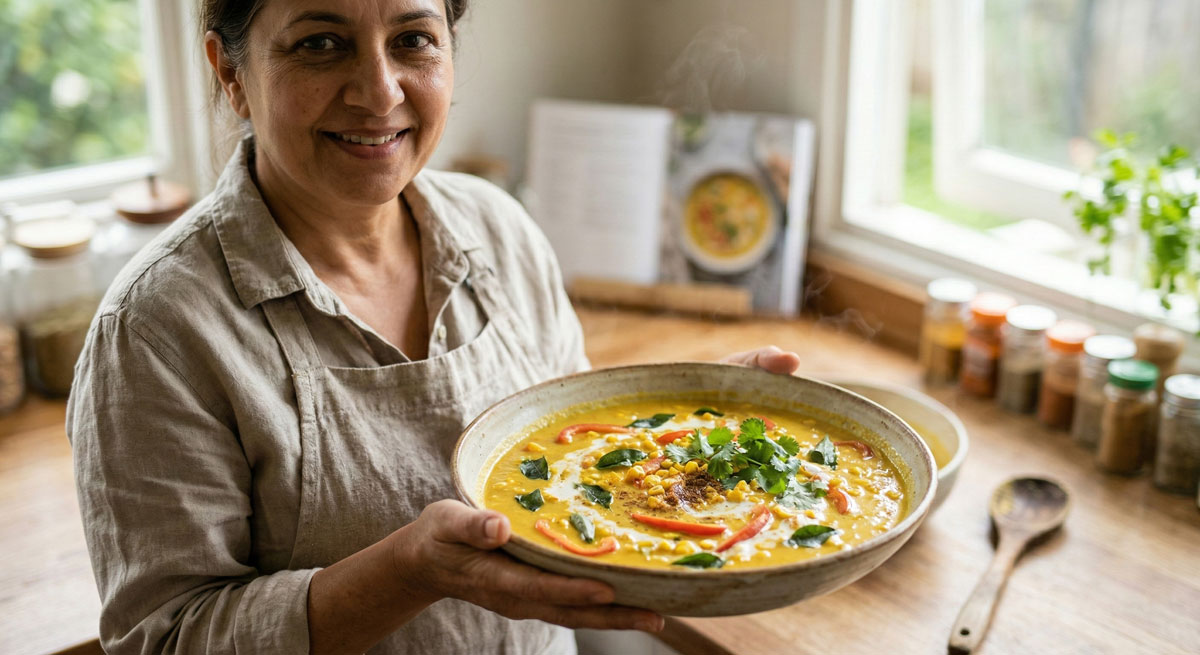
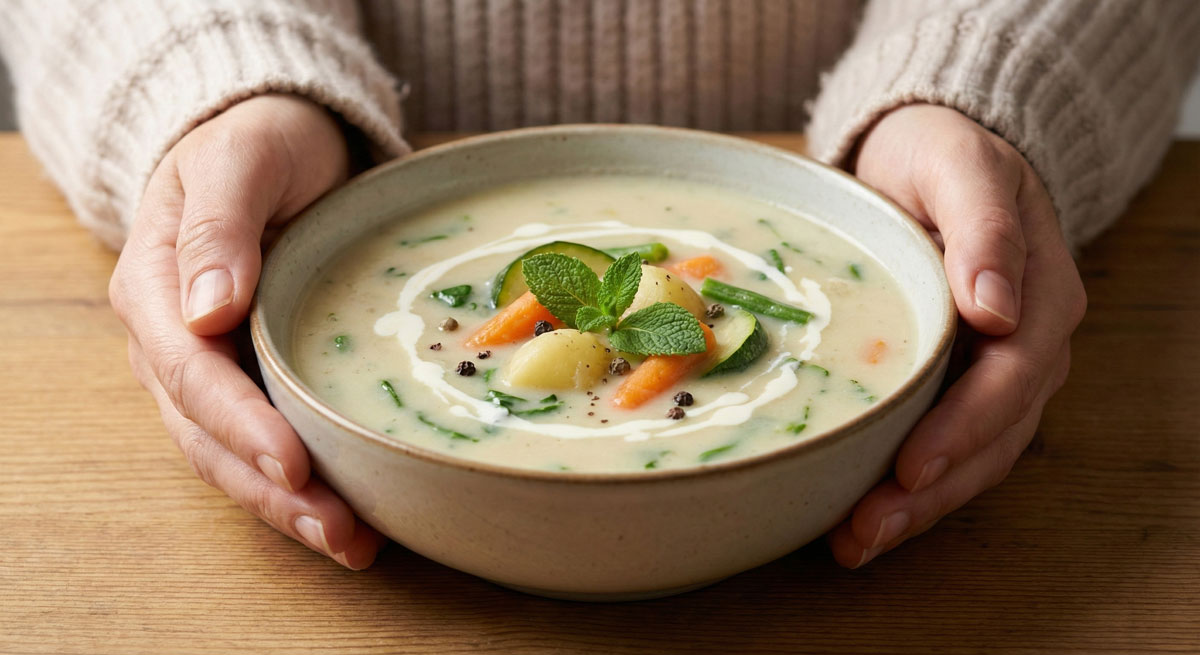
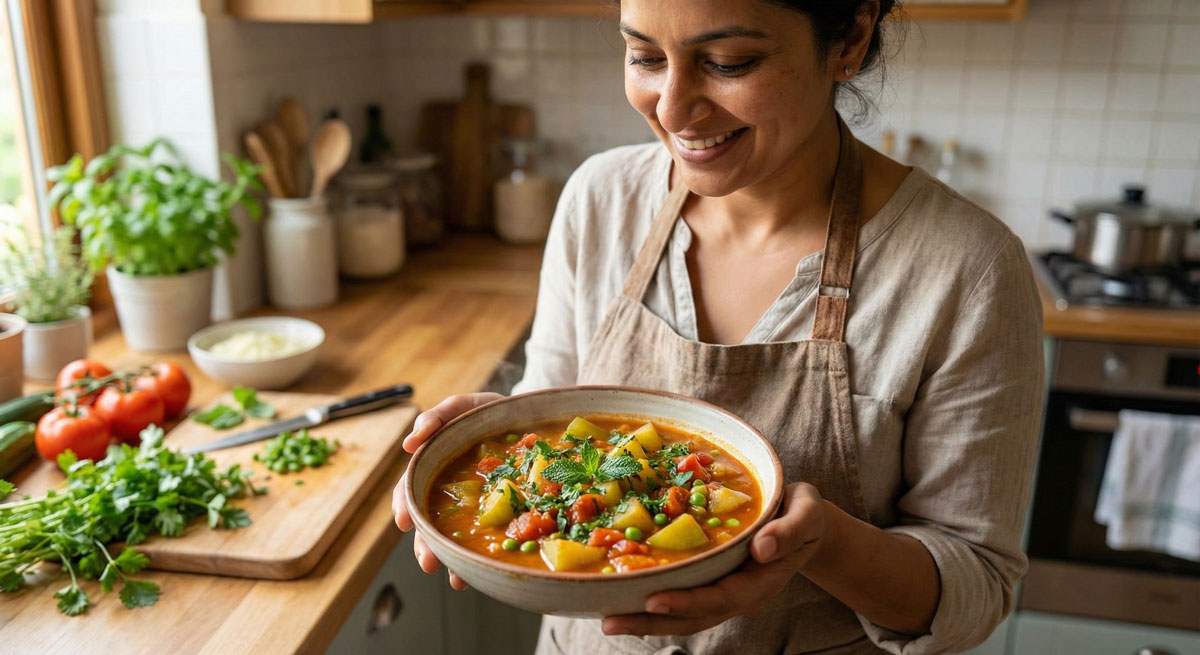
Close your eyes and imagine the sun-drenched shores and lush spice gardens of Kerala. Now, what if I told you that you could capture that essence in a single, soul-soothing bowl? This Keralan-style vegetable curry is your passport. It’s a celebration of simplicity and freshness, transforming a haul from your local farmers’ market into a fragrant, creamy masterpiece. Unlike fiery curries that can overwhelm the palate, this dish is a gentle symphony of spices—aromatic cloves, warm cinnamon, and pungent peppercorns—all swimming in a velvety coconut milk embrace. It’s light yet satisfying, packed with vitality, and endlessly adaptable. This isn’t just a meal; it’s a vibrant, nourishing journey to the heart of Southern India.
Ingredients
• ½ pound / 225g baby potatoes, quartered
• ½ pound / 225g broccoli, cut into florets
• 2 medium carrots, about ½ pound / 225g, peeled and cut into batons
• ½ pound / 225g green beans, trimmed
• 4 tablespoons / 60ml canola oil
• 4 whole cloves
• 1¾ inch / 4.5cm cinnamon stick
• 12 black peppercorns
• 12 fresh curry leaves, optional
• 1 large onion, finely diced
• 1½ inch / 4cm piece of ginger, peeled and grated
• 3 cloves of garlic, crushed
• 1-2 Indian green chiles, very finely chopped
• 1 x 14 ounce / 400ml can full-fat coconut milk
• ⅓ teaspoon ground turmeric
• 1 teaspoon / 5g salt, or to taste
• ½ cup / 75g peas, fresh or defrosted
• ½ cup / 120ml water
Instructions
1. Prepare your vegetables. Cut the baby potatoes into quarters. Cut the broccoli into florets of a similar size. Peel the carrots and cut them into batons. Trim the green beans. Keep the vegetables in separate piles, ready to be added to the pan.
2. Temper the spices. Place 3 tablespoons of oil in a large, lidded frying pan or Dutch oven over medium heat. Once hot, add the cloves, cinnamon stick, peppercorns, and curry leaves (if using). Stir for about 30-60 seconds until the peppercorns begin to swell and the spices are fragrant.
3. Sauté the aromatics. Add the finely diced onion to the pan and sweat for 8-10 minutes, stirring occasionally, until soft, translucent, and sweet. Add the grated ginger, crushed garlic, and green chiles, and cook for another 2 minutes until their raw smell is gone.
4. Build the curry base. Pour in the coconut milk, water, turmeric, and salt. Stir everything together and add the quartered potatoes. Bring the mixture to a boil, then immediately reduce the heat to a gentle simmer.
5. Cook in stages. Cover the pan with the lid and cook for 5 minutes. Add the carrot batons, stir, replace the lid, and simmer for another 5 minutes. Add the green beans and broccoli florets, stir gently to submerge them, and cook for a further 3-4 minutes, or until all the vegetables are tender-crisp.
6. Finish and serve. Stir in the peas and cook for a final minute just to heat them through. Taste and adjust the salt if needed. Serve hot with fluffy basmati rice or flaky paratha.
Nutritional Information
• Approximate values per serving
• Calories: 450 kcal
• Protein: 8g
• Fiber: 10g
• Good to know: This dish is naturally vegan, gluten-free, and loaded with vitamins A, C, and K from the colorful assortment of vegetables.
Pro Tips
• Pro-Tips for the Perfect Curry
• Feel free to swap the vegetables based on what’s in season. Sweet potatoes, cauliflower, bell peppers, or zucchini are fantastic additions.
• For an extra rich and creamy curry, use only the thick cream from the top of the coconut milk can and replace the ½ cup of water with the remaining thin coconut water from the can.
• Don’t skip the step of tempering the whole spices in oil. This process, known as ‘tadka’, blooms the spices and is fundamental to building a deep, aromatic flavor base.
• Finish the dish with a squeeze of fresh lime or lemon juice and a sprinkle of fresh cilantro to brighten up all the flavors just before serving.
FAQ
Q: How can I add more protein to this vegetable curry
A: To make this a more protein-rich vegetarian meal, add a can of drained chickpeas or some cubed firm tofu. Stir them in with the green beans and broccoli to heat through. Serving the curry with quinoa instead of rice is another excellent way to boost the protein content.
Q: Can I use light coconut milk instead of full-fat
A: While you can use light coconut milk, the curry will lose the rich, creamy texture that is characteristic of Keralan cuisine. For the most authentic and satisfying result, full-fat coconut milk is highly recommended. If you do use a lighter version, consider omitting the extra water to prevent the sauce from being too thin.
Q: What other vegetables work well in this curry
A: This recipe is incredibly versatile. Feel free to substitute with seasonal vegetables like cauliflower, sweet potato, bell peppers, or zucchini. Add denser vegetables like sweet potato earlier in the cooking process with the potatoes, and quick-cooking ones like zucchini towards the end.
Q: How should I store and reheat leftover curry
A: Store leftovers in an airtight container in the refrigerator for up to 4 days. The flavors often meld and taste even better the next day. Reheat gently in a saucepan over medium-low heat, adding a splash of water or coconut milk if needed to restore its original consistency. Avoid boiling, as it can cause the coconut milk to separate.