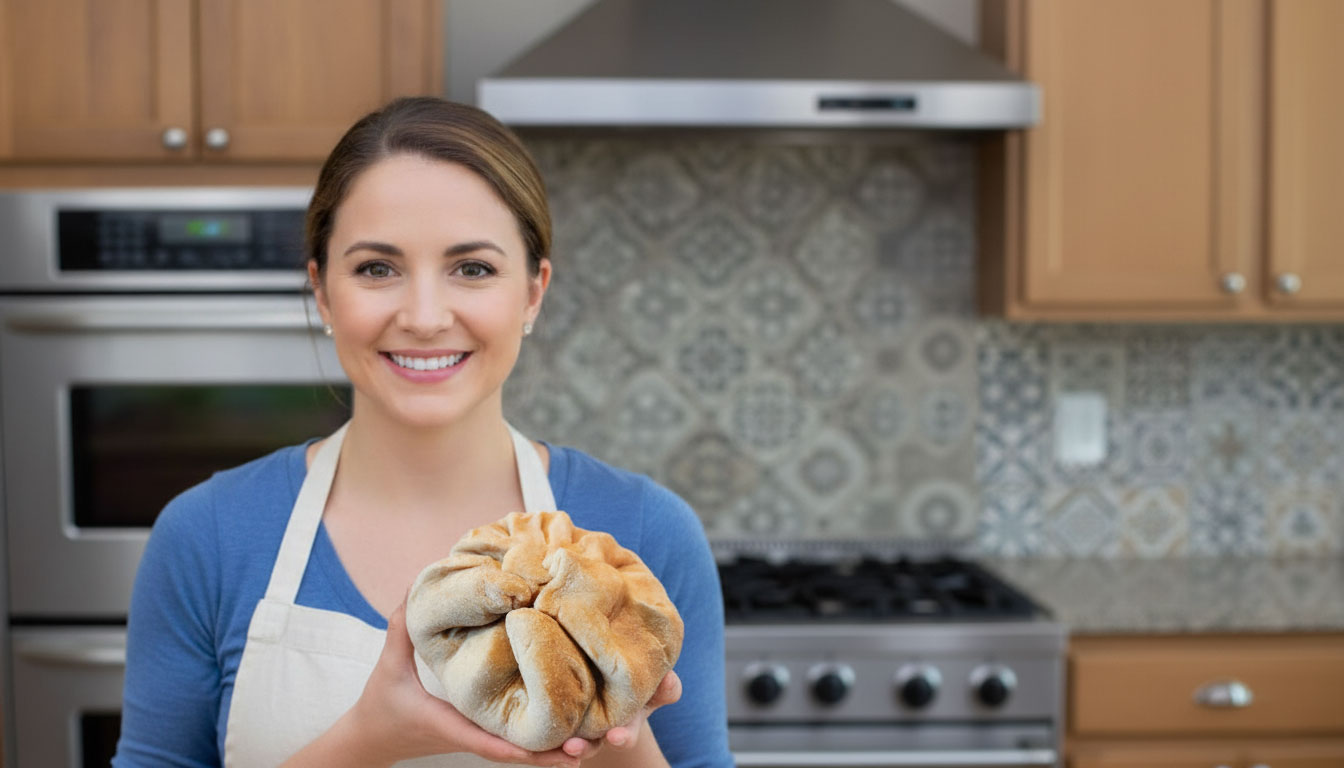
Tired of the same old roti? Let’s add a splash of sunshine to your plate! Imagine a soft, golden flatbread with a subtle, fruity sweetness that melts in your mouth. These Papaya Phulkas are a game-changer. We’re blending the tropical goodness of ripe papaya right into the whole wheat dough, creating a bread that’s incredibly tender, naturally sweet, and wonderfully versatile. Whether you’re scooping up a savory curry, pairing it with your morning chai, or just enjoying it warm with a dab of ghee, this recipe will become your new favorite way to enjoy flatbreads. Let’s get kneading!
Ingredients
• Preparation time: 15 minutes | Dough resting time: 30 minutes to 3 hours | Cooking time: 30-40 minutes | Yields: 10-12 flatbreads
• For the Dough
• 10.4 oz / 295 g chapati flour (or a 50/50 mix of whole wheat and all-purpose flour), plus extra for dusting
• 0.1 oz / 3 g salt (optional)
• 4.2 oz / 120 g fresh papaya purée
• For Finishing (Optional)
• Melted butter or ghee, for brushing
• To make papaya purée, simply blend peeled, deseeded ripe papaya until smooth.
Instructions
1. Prepare the Dough: In a large mixing bowl, whisk together the flour and salt. Make a well in the center and add the papaya purée. Use your fingers to gradually mix the flour into the purée, bringing it all together to form a shaggy dough.
2. Knead to Perfection: Transfer the dough to a lightly floured surface and knead for 8-10 minutes. The goal is a silky smooth, pliable, and medium-stiff dough. It will soften as it rests. If it feels too sticky, add a little more flour, one teaspoon at a time.
3. Rest the Dough: Shape the dough into a ball, place it in a bowl, and cover with a lid or a damp cloth. Let it rest at room temperature for at least 30 minutes or up to 3 hours. This step is crucial for a soft texture.
4. Shape the Flatbreads: After resting, briefly knead the dough again and divide it into 10-12 equal portions. Roll each portion into a smooth ball and keep them covered with a damp cloth to prevent drying.
5. Roll Out the Phulkas: Preheat a griddle or cast-iron skillet (tava) over medium heat. Take one dough ball, flatten it into a 2-inch disc, and lightly dip both sides in dusting flour. Roll it out into a thin, even circle about 6 to 8 inches in diameter.
6. Cook the First Side: Gently slap the rolled dough between your palms to remove excess flour and place it on the hot griddle. Cook for about 1 minute, or until you see small bubbles forming and the color lightens.
7. Cook the Second Side: Flip the phulka and cook for another 30 seconds.
8. Puff it Up: Using tongs, carefully lift the phulka and place it directly over a high gas flame. It will magically puff into a balloon within seconds! Turn it once to get light char marks. (If using an electric stove, return the phulka to the griddle after the second flip and gently press the edges with a clean towel to encourage it to puff).
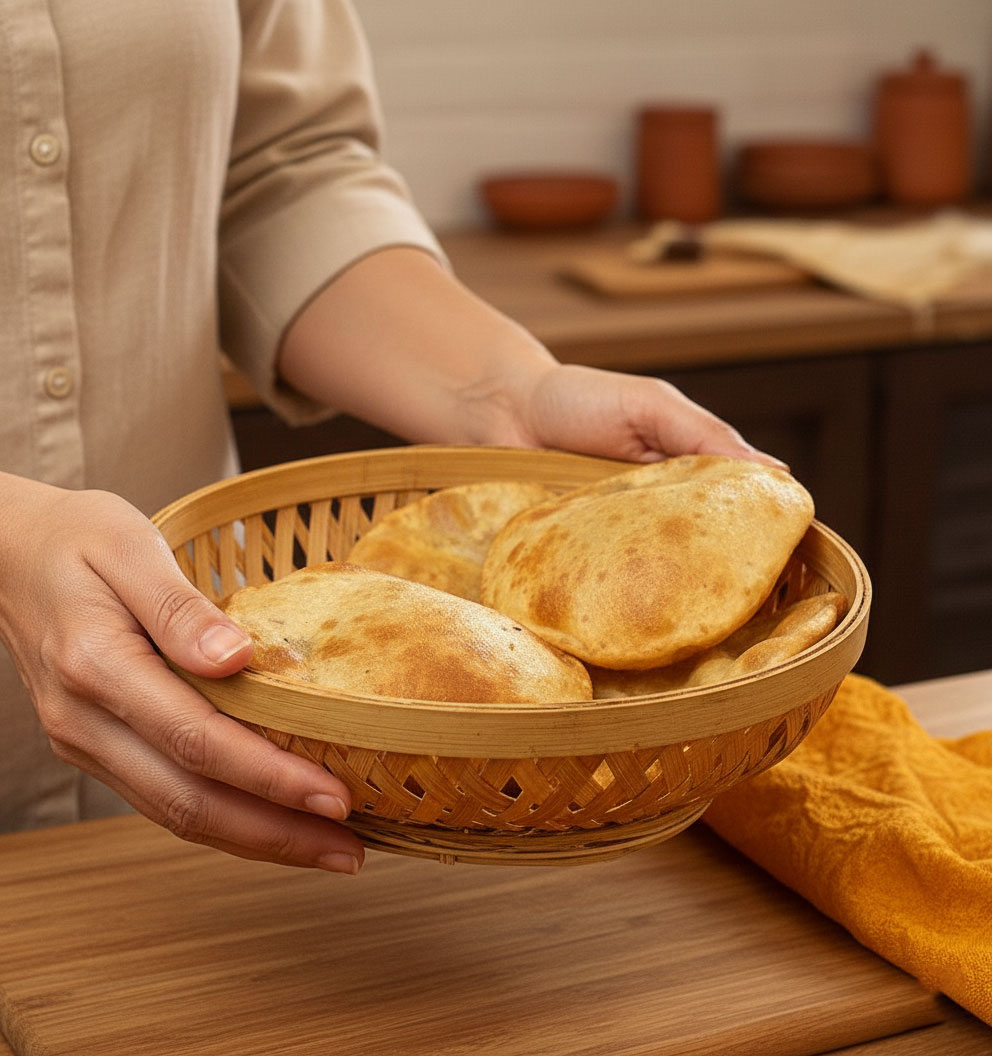
9. Serve and Store: Immediately transfer the hot phulka to a cloth-lined basket to keep it warm and soft. Brush with melted butter or ghee, if desired. Repeat with the remaining dough. Enjoy them while they’re warm!
Nutritional Information
• Nutritional Highlights
• Papaya is a fantastic source of Vitamin C and antioxidants, supporting a healthy immune system.
• Whole wheat flour provides essential dietary fiber, which is great for digestion and helps you feel full longer.
• This recipe is naturally low in fat and can be made vegan by using oil instead of ghee for finishing.
Pro Tips
• for Perfect Papaya Phulkas
• The dough should be soft but not sticky. The moisture in papaya can vary, so adjust the flour or add a teaspoon of water as needed to get a pliable, smooth dough.
• For perfectly round and even phulkas, rotate the dough a quarter turn after each roll. Use minimal dusting flour to avoid making the flatbreads dry and tough.
• A very hot griddle (tava) is the secret to getting your phulkas to puff up perfectly. The quick, high heat creates the steam that inflates the bread.
• To make this recipe completely vegan, simply brush the finished flatbreads with melted coconut oil or a neutral vegetable oil instead of ghee.
FAQ
Q: Can I make these papaya phulkas vegan
A: Absolutely! This recipe is easily made vegan. The dough itself contains no animal products. For finishing, simply swap the optional ghee or melted butter for a plant-based alternative like melted coconut oil or any neutral vegetable oil.
Q: What vegetarian dishes pair well with papaya phulkas
A: The subtle sweetness of these phulkas pairs beautifully with a variety of vegetarian curries. Try them with a spicy lentil dal (like dal tadka), a creamy paneer butter masala, or a hearty chana masala (chickpea curry) to create a balanced and protein-rich meal.
Q: How do I store leftover papaya phulkas
A: To keep your phulkas soft, let them cool completely and then store them in an airtight container or a zip-top bag at room temperature for up to 2 days. To reheat, warm them on a dry skillet for a few seconds on each side.
Q: Can I prepare the papaya phulka dough in advance
A: Yes, making the dough ahead is a great time-saver. You can prepare the dough, cover it tightly, and refrigerate it for up to 24 hours. Just be sure to bring it back to room temperature for about 30-60 minutes before you roll out the phulkas.