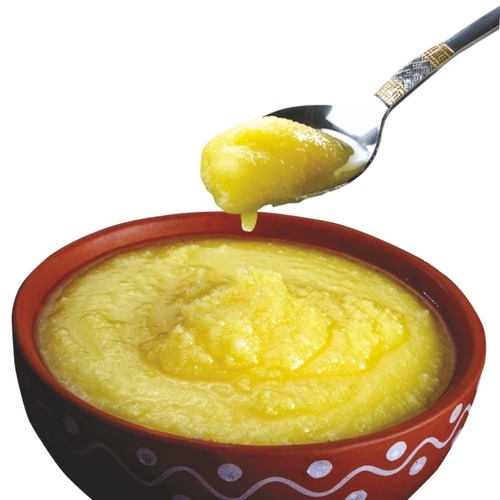
Step into the heart of Indian cooking and unlock the secret to a truly versatile kitchen staple: homemade ghee! Far more than just clarified butter, ghee is ‘liquid gold.’ By slowly simmering butter to remove milk solids and water, we create a pure butter oil with a high smoke point, an incredibly long shelf life, and a rich, nutty flavor that elevates any dish. It’s perfect for high-heat sautéing, roasting, or simply drizzling over dal and rice. Plus, since the milk solids are removed, many people with lactose sensitivities find they can enjoy it. Let’s make this golden elixir together!
Ingredients
• Yields: About 1 ½ cups / 350ml
• 1 pound / 454g high-quality unsalted butter
Instructions
1. In a heavy-bottomed, medium saucepan, gently melt the butter over medium heat. Avoid letting it brown or burn.
2. Once melted, increase the heat to bring the butter to a boil. As soon as it boils, immediately reduce the heat to the lowest possible setting. A layer of white foam will form on top; carefully skim this off with a spoon and discard.
3. Allow the butter to simmer gently, uncovered, on the lowest heat for about 45 minutes. Do not stir. During this time, the milk solids will sink to the bottom and turn a toasty golden brown, and the ghee will become clear and fragrant.
4. Remove the pan from the heat and let it cool for a few minutes. Line a fine-mesh sieve with two layers of cheesecloth and place it over a clean, dry, heatproof storage jar.
5. Carefully pour the clear, golden liquid through the prepared sieve, leaving the browned milk solids behind in the pan. To ensure maximum purity and shelf life, you can strain it a second time.
6. Let the ghee cool to room temperature before sealing with a tight-fitting lid. It will keep for 2-3 months at room temperature or indefinitely in the refrigerator. Ghee will solidify and become opaque when chilled.
Nutritional Information
• A Little About Ghee
• Ghee is free of lactose and casein, making it a suitable option for many with dairy intolerances.
• It’s a rich source of fat-soluble vitamins, including Vitamin A, E, and K2.
• Ghee is primarily composed of saturated fats and contains butyric acid, a short-chain fatty acid.
Pro Tips
• for Perfect Ghee
• Use the best quality unsalted butter you can find, preferably from grass-fed cows, for the best flavor and nutritional profile.
• A heavy-bottomed saucepan is crucial for even heat distribution and to prevent the milk solids from scorching.
• Resist the urge to stir while the ghee is simmering. This allows the milk solids to settle and toast evenly at the bottom.
• Ensure your storage jar and all utensils are perfectly clean and dry. Any drop of water can cause the ghee to spoil.
FAQ
Q: Is ghee suitable for a vegetarian diet
A: Absolutely! Ghee is a dairy product made from butter, which comes from cow’s milk. It contains no meat products, making it a staple in many vegetarian diets, especially in Indian cuisine.
Q: What is the best type of butter for making vegetarian ghee
A: For the best flavor and nutritional benefits, choose a high-quality, unsalted butter, preferably from grass-fed cows. Using unsalted butter gives you complete control over the seasoning of your dishes and helps prevent the milk solids from scorching too quickly.
Q: How can I use homemade ghee in my vegetarian meals
A: Ghee is incredibly versatile in vegetarian cooking. Use it for high-heat sautéing of vegetables and tofu, roasting potatoes until golden, or as a flavorful finishing oil drizzled over dal, soups, and steamed rice. It also adds a rich, nutty taste to flatbreads like roti and naan.
Q: Is ghee vegan
A: No, ghee is not vegan. Because it is derived from butter, which is an animal by-product from cow’s milk, it is not suitable for a vegan diet. Vegans can use alternatives like coconut oil or other plant-based oils.