
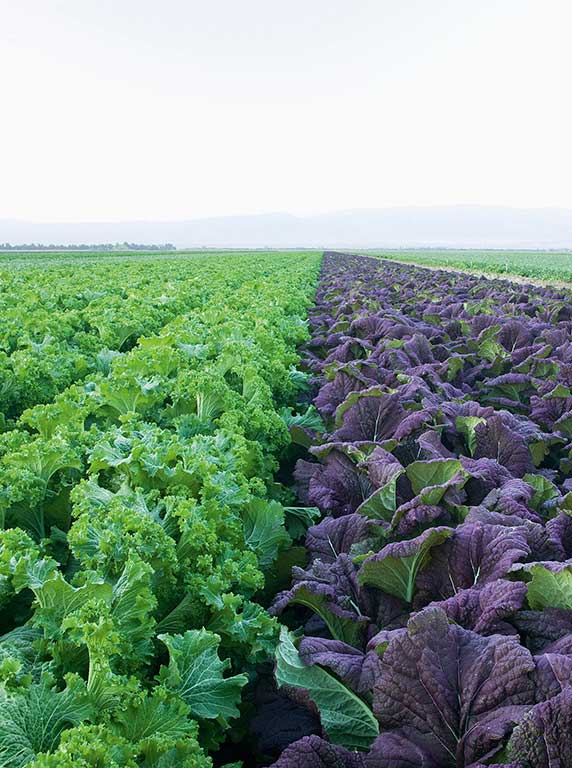
I have the most vivid childhood memory of my mum spotting a field of mustard greens in the English countryside and making my dad pull over. She’d run into the field, laughing, and grab a handful of leaves for dinner. Back then, it was the only way to get them! Thankfully, these beautiful, peppery greens are now easy to find. If you’ve never tried them, you’re in for such a comforting treat. Sarson ka Saag, as it’s traditionally known, is heartier and more robust than spinach, with a unique, pungent flavor that mellows into a creamy, luxurious curry. It’s traditionally served with makki di roti (corn flatbread) and a generous dollop of fresh butter. While homemade butter is a step above, this recipe is pure comfort in a bowl either way. You will need a blender to get that signature creamy texture!
Ingredients
• 2 lbs / 900g mustard leaves
• 3 tbsp / 45 ml canola oil
• 2 large yellow onions, finely chopped
• 2-inch / 5 cm piece ginger, peeled
• 6 cloves garlic, crushed
• 2 Indian green chiles, finely sliced
• 3 tbsp / 30g cornmeal
• 1½ tsp / 9g salt, or to taste
• 1 tbsp / 15g unsalted butter
• 2 cups / 480 ml water, for boiling
Instructions
1. Thoroughly wash the mustard leaves. Fill a large bowl or clean sink with cold water, submerge the leaves, and swish them around to release any grit. Lift the leaves out of the water (don’t drain it) and repeat until the water is clear. Roughly chop the clean leaves into 2-inch strips.
2. Place the chopped greens into a large saucepan with 2 cups / 480 ml of water. Cover, bring to a boil, then reduce the heat and simmer for 15-20 minutes, or until the leaves are completely tender.
3. Carefully transfer the cooked greens to a blender. Add just enough of the cooking liquid (about 4 tablespoons) to help it blend. Puree until you have a thick, rustic paste. Set aside.
4. While the greens are simmering, prepare the base. Heat the oil in a large frying pan or skillet over medium heat. Add the finely chopped onions and sauté until soft and translucent, about 5-7 minutes.
5. Finely dice about 1¾ inches of the ginger and cut the remaining small piece into thin matchsticks for garnish. Add the diced ginger, crushed garlic, and sliced green chiles to the onions. Cook for another minute until fragrant.
6. Stir in the cornmeal and cook for 5 minutes, stirring constantly to toast it lightly. This step is crucial for thickening the saag and adding a nutty flavor.
7. Pour the pureed mustard greens into the pan with the onion mixture. Add the salt and butter. Stir everything together well, turn the heat to low, and let it cook for at least 8-10 minutes, allowing the flavors to meld. The final consistency should be thick and creamy, like hummus. Add a splash of water if it becomes too thick.
8. Serve hot, garnished with the ginger matchsticks. It’s best enjoyed with corn roti (makki di roti) and an extra knob of butter.
Nutritional Information
• Serves: 4
• Calories: 265 kcal
• Carbohydrates: 22g
• Protein: 7g
• Fat: 18g
• Fiber: 10g
• Note: is an estimate and may vary.
Pro Tips
• For a milder, less pungent flavor, you can replace up to half of the mustard greens with fresh spinach. This is a common variation that adds a lovely balance.
• To prevent lumps, make a slurry by mixing the cornmeal with 2-3 tablespoons of cold water before adding it to the hot pan with the onions.
• The final simmer is key. Don’t rush the last step; letting the saag cook on low for at least 10 minutes allows the flavors to deepen and meld beautifully.
• For the most authentic experience, serve with a generous dollop of white unsalted butter (makhan) on top just before eating.
FAQ
Q: Can I make this Sarson ka Saag recipe vegan
A: Yes, this recipe is easily made vegan. Simply substitute the unsalted butter with a high-quality vegan butter or an equal amount of your preferred plant-based oil. The dish will still be incredibly creamy and delicious.
Q: What if I can’t find fresh mustard greens
A: If fresh mustard greens are unavailable, you can use a mix of other hearty greens. A common and delicious substitution is to use half mustard greens and half fresh spinach, as mentioned in the pro-tips. You could also try a mix of kale, collard greens, or turnip greens for a similar robust flavor.
Q: Is Sarson ka Saag a good source of protein
A: While mustard greens themselves offer some protein (about 7g per serving in this recipe), Sarson ka Saag is primarily celebrated for its rich vitamin and mineral content, especially Vitamin K, Vitamin A, and fiber. To boost the protein, serve it with a side of lentil dal or a chickpea salad.
Q: How should I store leftover Sarson ka Saag
A: Leftover saag stores beautifully and the flavors often deepen overnight. Let it cool completely, then transfer it to an airtight container and refrigerate for up to 3-4 days. You can also freeze it for up to 2 months. Reheat gently on the stovetop, adding a splash of water if needed to restore its creamy consistency.