
Miso pickled eggplant — nasu miso-zuke — is the sweet-salty Japanese pickle I make whenever eggplants look good at the market. Cubes of eggplant burrow into a miso-mirin bed with ginger and garlic, then wait about four hours while the flavor soaks in. Slice, wipe lightly, and serve with rice.
Craving that incredible, savory-sweet crunch of Japanese pickles? You’re in the right place! This Miso Pickled Eggplant, or ‘Nasu Miso-zuke,’ is a game-changer. It transforms humble eggplant into a flavor-packed delight with just a few simple ingredients. The magic is in the ‘misodoko’—a pickling bed of miso, mirin, ginger, and garlic that infuses the eggplant with deep, irresistible umami. It’s the perfect side dish to elevate any meal, and it’s surprisingly easy to make at home!
Ingredients
• 1 cup / 275 g (9.7 oz) miso
• 2 teaspoons / 10 ml (0.3 fl oz) mirin
• 1 teaspoon / 5 g (0.18 oz) finely grated fresh ginger
• 1 teaspoon / 5 g (0.18 oz) minced garlic
• 2 small Japanese eggplants or 1 globe eggplant, about 1 lb / 450 g
• 2 tablespoons / 30 g (1.06 oz) salt
Instructions
1. Create the Miso Bed: In a glass container or non-reactive bowl, combine the miso, mirin, grated ginger, and garlic. Stir until everything is well combined to create your ‘misodoko’ or pickling bed. Set aside.
2. Prepare the Eggplant: Cut the eggplant into ¼ inch / 5 mm thick rounds or half-moons. Place them in a large bowl, cover with water, and stir in the salt. Place a plate directly on top of the eggplant to keep it submerged and let it sit for 10 minutes.
3. Drain and Dry: Drain the salted water from the eggplant. Rinse the slices thoroughly under cool water to remove excess salt, then pat them completely dry with a clean kitchen towel or paper towels. This step is crucial for a crisp texture.
4. Pickle the Eggplant: Add the dry eggplant slices to the miso mixture. Use your hands or a spoon to toss and ensure every piece is thoroughly coated in the miso paste.
5. Ferment and Enjoy: Cover the container. For a light, crisp pickle, let it sit at room temperature for 4 hours. For a deeper, more intense flavor, transfer the covered container to the refrigerator and let it pickle for up to 2 days.
6. Serve: When ready to eat, remove the desired amount of eggplant from the miso. Gently rinse off the excess miso paste under cool water and pat dry before serving.
Nutritional Information
• Serving Size: 1 of 6 servingsCalories: ~45 kcalThis dish is rich in probiotics from fermented miso, which supports gut health. It’s also a good source of dietary fiber from eggplant, low in fat, and naturally cholesterol-free.
Pro Tips
• Pro-Tips for Perfect Pickles
• You can reuse the miso pickling bed (misodoko) 2-3 times. Just add more salted and dried vegetables. Discard it and start fresh when it becomes thin and watery.
• White miso (shiro miso) will give a sweeter, milder pickle, while red miso (aka miso) will result in a saltier, more robust flavor. Experiment to find your favorite!
• Don’t skip salting and weighting the eggplant. It removes excess water and bitterness, ensuring a crisp texture and preventing a watery final pickle.
• This misodoko isn’t just for eggplant! Try it with thinly sliced cucumber, daikon radish, carrots, or even firm tofu for a variety of delicious Japanese pickles.
FAQ
Q: Is this miso pickled eggplant recipe vegan and gluten-free
A: Yes, this recipe is naturally vegan as it contains no animal products. To ensure it is gluten-free, be sure to use a certified gluten-free miso paste, as some varieties can be fermented with barley or other grains containing gluten. Always check the label.
Q: What vegetarian meals pair well with Nasu Miso-zuke
A: These savory-sweet pickles are a fantastic vegetarian side dish. Serve them alongside a bowl of steamed Japanese rice, with pan-fried tofu or tempeh, or as a crunchy topping for a vegetarian ramen or soba noodle bowl to add a burst of umami flavor.
Q: Are miso pickles a good source of probiotics for a vegetarian diet
A: Absolutely! The miso paste used for pickling is a fermented food, making it a rich source of beneficial probiotics. These live microorganisms are excellent for supporting gut health, which is a wonderful benefit for any diet, including a vegetarian one.
Q: Can I use other vegetables besides eggplant in this misodoko
A: Yes, the miso pickling bed, or ‘misodoko,’ is incredibly versatile for vegetarian pickling. You can reuse it 2-3 times with other thinly sliced vegetables like cucumber, daikon radish, and carrots. It’s a great way to preserve seasonal produce and reduce food waste.
More Recipes You’ll Love
- Perfectly Cooked Leafy Greens (Boiled or Steamed)
- Edamame with Tomatoes and Cilantro
- Royal Khichari: A Poor Man’s Feast Fit for a King
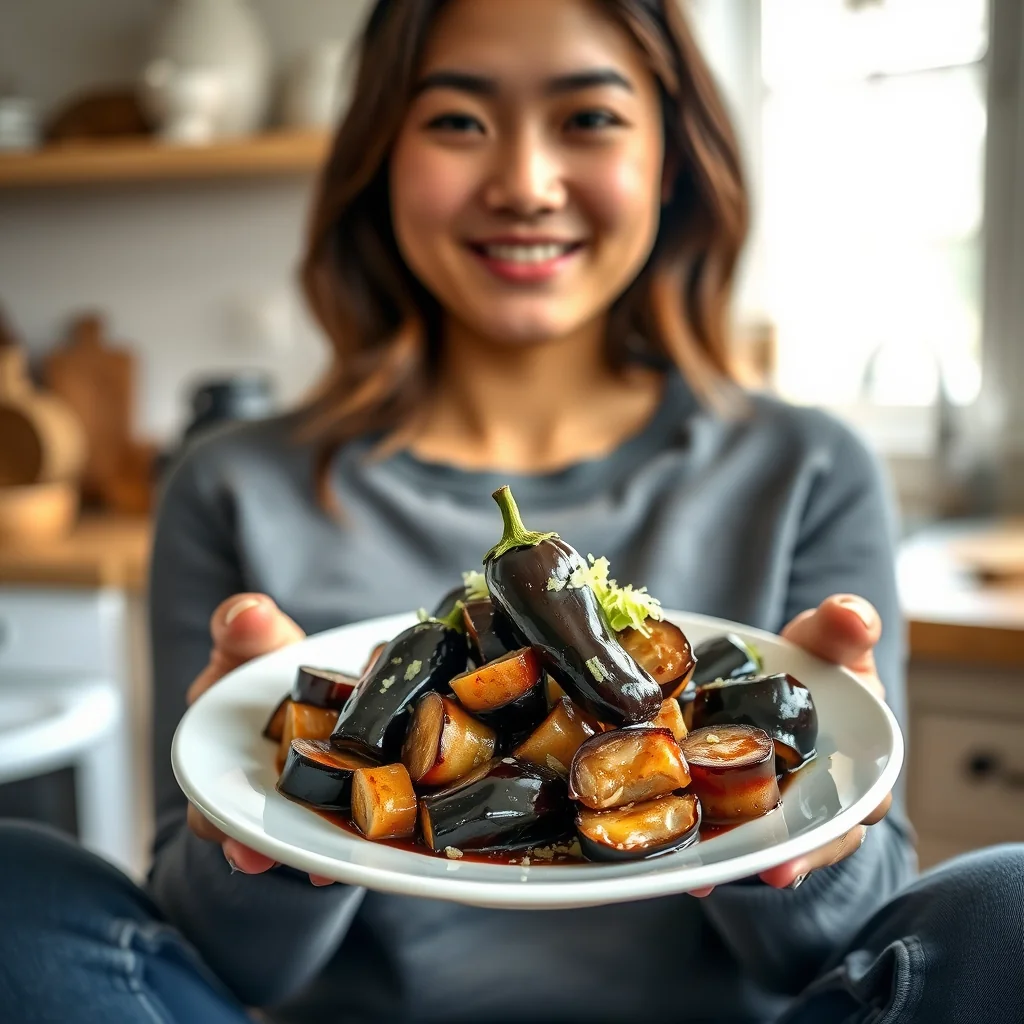
Miso Pickled Eggplant (Nasu Miso-zuke)
Ingredients
Method
- Create the Miso Bed: In a glass container or non-reactive bowl, combine the miso, mirin, grated ginger, and garlic.
- Stir until everything is well combined to create your 'misodoko' or pickling bed.
- Set aside.
- Prepare the Eggplant: Cut the eggplant into ¼ inch / 5 mm thick rounds or half-moons.
- Place them in a large bowl, cover with water, and stir in the salt.
- Place a plate directly on top of the eggplant to keep it submerged and let it sit for 10 minutes.
- Drain and Dry: Drain the salted water from the eggplant.
- Rinse the slices thoroughly under cool water to remove excess salt, then pat them completely dry with a clean kitchen towel or paper towels. This step is crucial for a crisp texture.
- Pickle the Eggplant: Add the dry eggplant slices to the miso mixture. Use your hands or a spoon to toss and ensure every piece is thoroughly coated in the miso paste.
- Ferment and Enjoy: Cover the container. For a light, crisp pickle, let it sit at room temperature for 4 hours. For a deeper, more intense flavor, transfer the covered container to the refrigerator and let it pickle for up to 2 days.
- Serve: When ready to eat, remove the desired amount of eggplant from the miso. Gently rinse off the excess miso paste under cool water and pat dry before serving.
- Don't skip salting and weighting the eggplant. It removes excess water and bitterness, ensuring a crisp texture and preventing a watery final pickle.