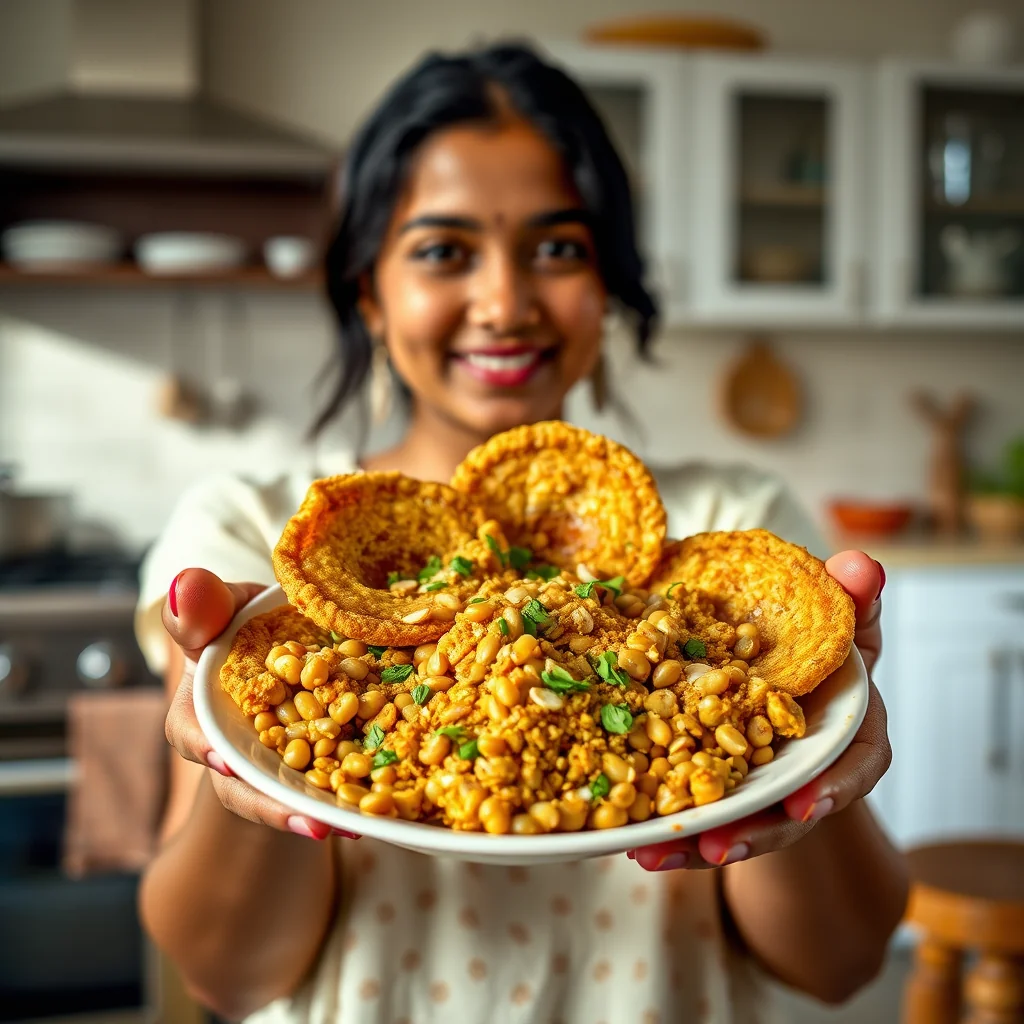
Soak the Lentils and Seeds: Pick over the urad dal for any debris, rinse it well, and place it in a large bowl.
Cover with at least 2 inches of water and soak for 8 hours or overnight.
In a separate bowl, soak the poppy seeds in water for at least 2 hours.
After soaking, drain both the dal and poppy seeds completely in a fine-mesh strainer.
Grind the Dal: The goal is a smooth, airy paste using minimal water.
In a food processor or high-speed blender, grind the drained dal.
Add only 1-2 teaspoons (10 ml / 0.3 fl oz) of water at a time, just enough to get the blades moving. Scrape down the sides frequently and process for about 5 minutes until you have a very smooth, fluffy, and thick paste.
Mix and Rest the Batter: Transfer the dal paste to a large mixing bowl.
Add the drained poppy seeds, asafetida, cayenne pepper, salt, and baking soda.
Mix gently but thoroughly. The batter must be thick enough to hold its shape. If it seems too thin, stir in urad flour, 1 tablespoon (15 ml / 0.5 fl oz) at a time, until it thickens.
Cover the bowl and let it rest in a warm spot for 4 hours to ferment slightly.
Shape the Badis: Lightly grease a few baking sheets or large trays.
Using your fingertips or two small spoons, drop scant teaspoon-sized dollops of the batter onto the trays, leaving a little space between each one for air circulation.
Dry the Badis: Choose your preferred method.
Sun-Drying (Traditional): Place the trays in direct, strong sunlight.
Cover with a thin mesh cloth to protect them from debris.
Bring the trays indoors overnight.
Repeat for 2-4 days until the badis are completely hard, brittle, and snap easily when broken.
Food Dehydrator: Arrange the badis on the dehydrator trays.
Dry at 135°F / 57°C for 8-12 hours, or until they are thoroughly brittle and dry.
Store: Once completely cool and dry, transfer the badis to a clean, airtight container. Store in a cool, dark, and dry place. They will keep for several months.