Drain your soaked dal and place it in a food processor along with the ginger, green chili, and 1. 5 tbsp (0. 75 oz / 22 g) of water. Process for 4 to 5 minutes until you achieve a light, fluffy paste. Test the consistency by scooping 0. 5 tsp (0. 05 oz / 2 g) onto a surface; if it holds its shape, add a pinch of flour, but if it spreads, add up to 2 tbsp (0. 5 oz / 15 g) of whole wheat flour.
Add the salt, baking powder, asafetida, and melted butter, pulsing a few times until fully blended.
To begin the sauce, place the sifted chickpea flour in a bowl and slowly whisk in 2 tbsp (1 oz / 30 g) of water.
Add the yogurt, turmeric, paprika, sugar, and salt, whisking until perfectly smooth.
Pour this mixture into a heavy saucepan over moderately high heat.
Stir constantly until it boils, then reduce the heat to low, cover, and simmer for 10 to 12 minutes before removing from the heat.
Heat the ghee or butter in a frying pan over moderate heat. Gently slip the steamed dumplings into the pan and fry them, tossing lightly, until they are golden brown on the outside.
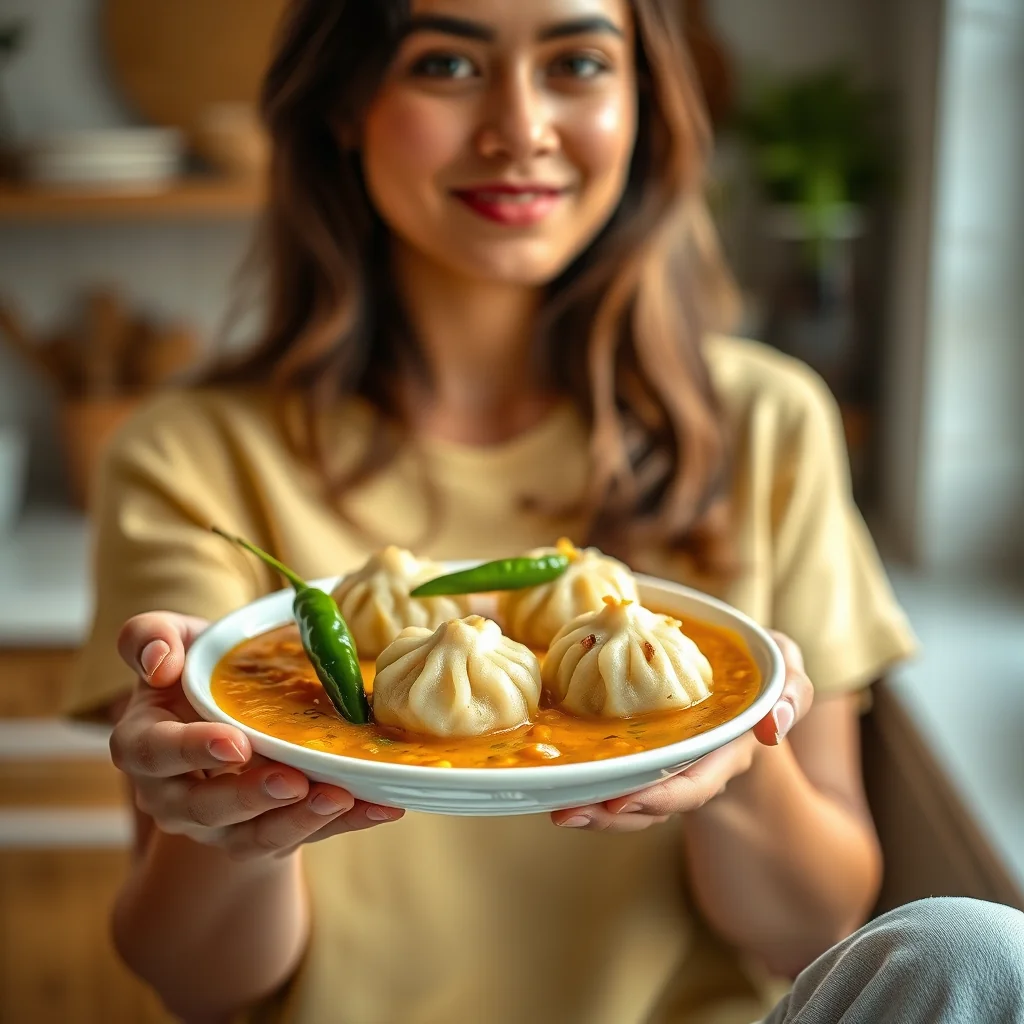
Transfer the fried dumplings into the warm sauce, stir gently, and garnish with the dry-roasted cumin seeds and fresh coriander before serving.
Patience with the Soak: Do not rush the 4 to 6-hour soaking time for the dal. Properly hydrated split peas are essential for grinding into a smooth, fluffy paste that yields tender dumplings.
Don't Skip the Pan-Fry: While the dumplings are fully cooked after steaming, pan-frying them in ghee adds a beautiful golden crust. This step not only enhances the flavor but gives the kofta structural integrity so they do not dissolve in the warm yogurt sauce.