Place the 0. 5 cup (1. 75 oz / 50 g) chickpea flour in a small mixing bowl, adding the salt, spices, melted butter, and exactly 1 tbsp. plus 0. 5 tsp. (0. 5 oz / 17 g) of water. Quickly gather the mixture into a stiff dough, adding tiny sprinkles of additional water only as necessary to make the noodle dough workable without becoming sticky, then knead until smooth and divide into 10 equal balls.
Place a dough ball on a clean, smooth work surface and use your palms or fingers to evenly roll it into a thin, long rope about 0. 25 to 0. 5 inches (6 mm to 1. 5 cm) thick.
Cut the rope with a sharp knife into 0. 5-inch (1. 5 cm) lengths, repeat with the remaining balls, and keep the finished noodles covered in a small dish so they do not dry out.
Bring 2. 5 to 3 quarts (84. 5 oz to 101. 4 oz / 2400 g to 2880 g) of lightly salted water to a rolling boil over high heat in a large saucepan. Strew in the homemade noodles, taking care that they do not stick together, reduce the heat to moderate, gently boil for 8 to 10 minutes, then remove the pan from the heat, drain the noodles through a fine-meshed sieve, and set them aside.
Pour the blended karhi sauce into a medium saucepan and place it over moderate heat, stirring constantly until it comes to a full boil to prevent the yogurt from splitting.
Reduce the heat to low, simmer the sauce uncovered for 10 to 12 minutes to cook out the raw flour taste, then carefully drop in the reserved cooked noodles and simmer gently for an additional 3 to 4 minutes.
Heat the 2 tbsp. (1 oz / 28 g) ghee or coconut oil in a small saucepan over moderate heat until hot but not smoking.
Toss in the 1 tsp. (0. 1 oz / 3 g) black mustard seeds and fry just until they turn gray and begin to pop, then immediately pour this tempered spice mixture directly into the simmering karhi.
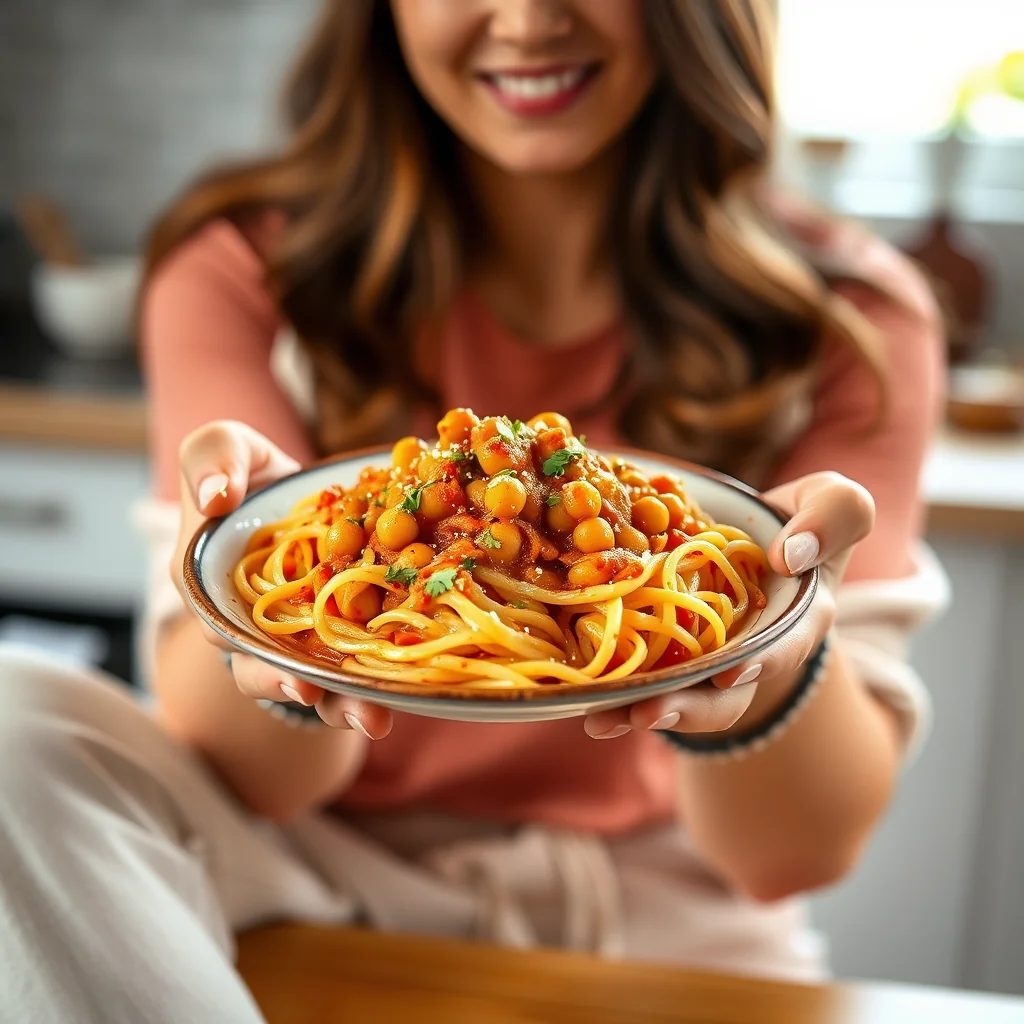
Remove the pot from the heat, give it a gentle stir, cover with a tight-fitting lid to trap the aromas for 3 to 4 minutes, and serve warm garnished with the 3 tbsp. (0. 1 oz / 3 g) of chopped fresh herbs.